
In summer times, breathable, cool, and skin-friendly fabrics are the core demands, and linen, ramie, hemp, and cotton-linen fabrics occupy half of the summer wear and home wear market. Still, there are so many people who cannot tell the difference between them. When buying apparel or selecting bedding, constantly falling into pitfalls – some feel rough and scratchy to the touch; others shrink or lose their shapes after washing; and some, despite appearing identical, come with a price tag that is double the cost. Today, I’m a copywriter from Aungwinter, a custom manufacturer of winter hats and apparel since 1998, tidying up these 4 types of linens by their fabric features, touch, and practical uses in detail, to help you pick the right linen for this summer.
Linen
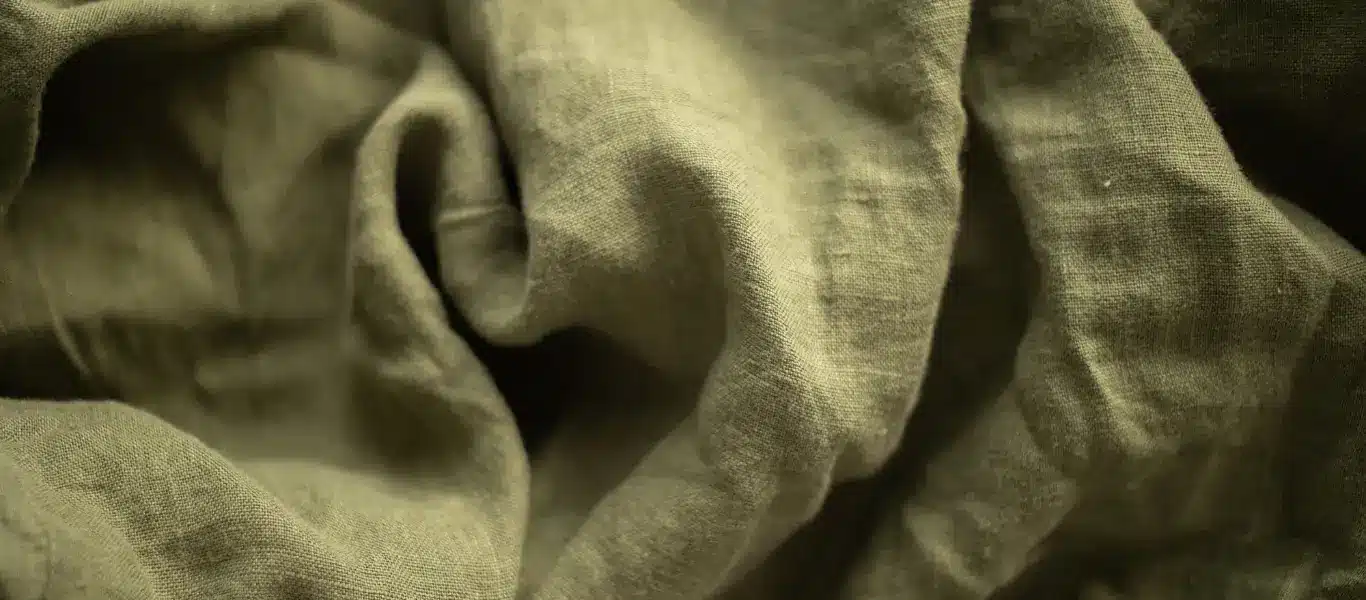
Linen is the most common linen fabric and is called the king of summer fabrics.
Thousands of years ago, linen was widely used by human beings, and Europe has more than tens of thousands of years of experience in planting linen. Derived from an annual herbaceous plant, the fabric length is medium, and the surface of linen has a natural crossing texture, which is super resilient and wear-resistant. In general, natural linen is rough to the touch. However, after the special treatment, premium linen will become very soft without itching, which enhances the skin-friendly part. The core advantages of linen are moisture-wicking, which is three times than cotton. Wearing linen clothing can lower our body temperature 2 to 3°C/35.6°F to 37.4°F, it’s not sticky and sweaty after sweating. Moreover, the contained Linophenol exhibits an inhibitory effect of over 90% against Staphylococcus aureus. Even so, its disadvantages are obvious – poor bounce, prone to getting wrinkles, not stable at sizing, and it needs to be ironed to recover flat, which makes linen suitable for manufacturing summer shirts, pants, and beddings.
Ramie
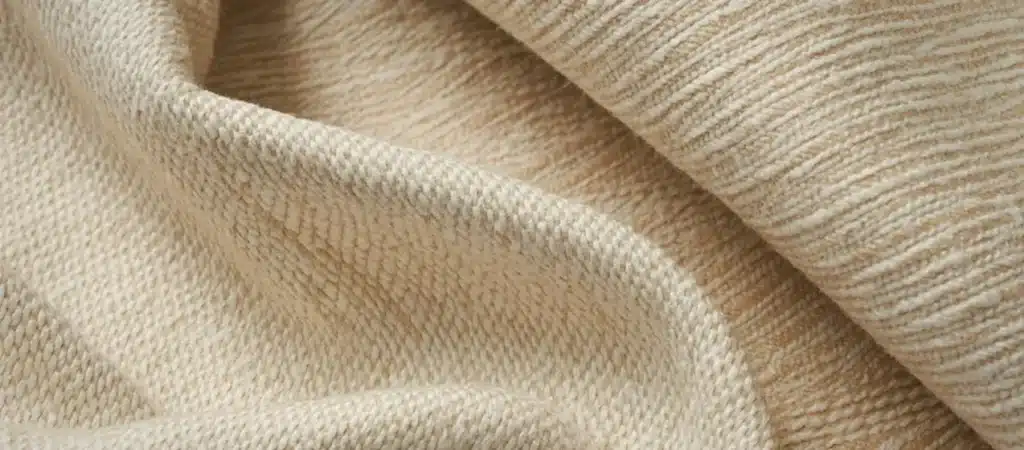
Ramie is also called Chinese grass, which is a special linen fabric in China.
In the Xia Dynasty(c. 2070–1600 BCE), ramie was used to make garments, and the fabric length of ramie is longest and finest among other linen fabrics. Its fabric length is 2 to 7 times longer than cotton, and the strength is 2 to 3 time stronger than cotton. In general, the appearance of ramie is white with luster and large voids in the structure, making ramie have better permeable and moist-wicking properties than other fabrics. Moreover, its moisture evaporates 50% faster than from cotton, which is not sticky or sweaty after sweating. Moreover, ramie features antibacterial, anti-mite, odor-proof, and anti-UV properties. The structure of ramie is loose; its creases are obviously sharp-edged and distinct; the touching is pretty coarse; it’s very lightweight and 20% lighter than the same volume cotton. However, raw ramie can cause an itchy sensation, and this can be changed via blending. Featuring a strong corrosion resistance, machine washable, and mildew resistance, ramie is well-suited for crafting lightweight summer clothing and outdoor gear, and is also a popular choice for high-end linen materials.
Hemp
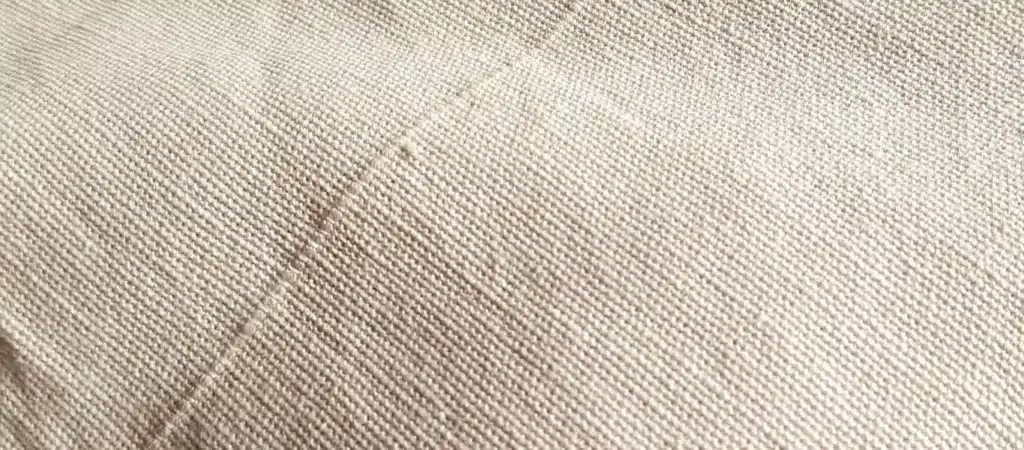
Hemp, also well known as cannabis or fiber hemp, is a native Chinese hemp variety with more than 8,000 years of history in China.
Hemp is also called the king of linen fabrics, which is the softest among these 4 types of linen fabrics (linen, ramie, hemp, and cotton linen). The fiber tips of hemp are blunt and curved, lacking any sharp points; the material feels soft and silky to the touch, causing no noticeable itching or irritation. What’s more, hemp does not stiffen after washing, and its skin-friendliness rivals that of cotton fabrics. The functions of hemp can be truly versatile; its moisture-wicking is 3 times than cotton; its breathability is 10 times than cotton. What’s more, its natural antibacterial rate can reach 99%, and it can block 95% of UV rays. The UPF can reach 50+, and also features anti-static, heat-resistant, and light-resistant properties, and will not discolor even at high temperatures of 370°C/698°F. However, it’s poor at bounce and prone to getting wrinkles; it might shrink after washing and is easy to pill; its price is pretty high, which is suitable for making intimate apparel, outdoor sports wear, and high-end bedding.
Cotton Linen Fabric
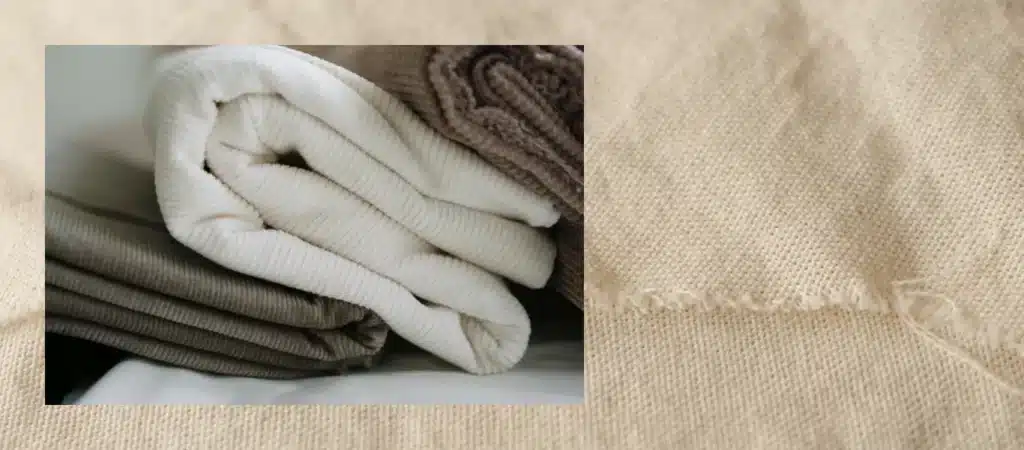
Cotton-linen fabric is not a pure linen fabric, and it’s a blended fabric of cotton and linen or ramie, which is the closest to everyday wear, combining the dual advantages of cotton and linen.
Cotton can offer soft and skin-friendly touch, and linen can add stiff and breathable properties, which makes cotton linen have the comfort of cotton and the casualness of linen. Linen-cotton fabric is thick and fine, with natural, strong creases, and the appearance looks like common textiles. The softness of cotton-linen fabric is between cotton and linen, and the higher the linen content, the stiffer the fabric. The advantages of cotton-linen fabric are breathable, non-sticky, casual, shaped, sustainable, and affordable prices. However, the cons are obvious, which are prone to getting wrinkles and stiffening after wearing for a long time, and fading in dark-colored styles. Therefore, cotton-linen fabric is suitable for literary style, commutes, and home decorations, which is super cost-effective.
In a ward, if you pursue extremely passable fabrics, you can also choose ramie; if you prefer soft and skin-friendly fabrics, hemp is an ideal choice; if you concentrate more on cost-effectiveness and everyday wear and tear, you can also choose cotton linen; if you like quaint texture and wear resistance, you can choose linen. All these 4 types of linen fabrics have their own pros and cons, and the core advantage of linen fabrics is that they are permeable and cool, catering to different scenes and demands. After mastering these 4 types of linen fabrics, no matter whether for buying apparel or picking up bedding, you can accurately find your perfect linen type to enjoy your cool and cozy summer times, without stepping into pitfalls anymore.