Welcome To Contact Us
Response Within 24 hours Guaranteed | Low MOQ from 50 pcs
🔒 100% Privacy Protected. No Spam Guaranteed.
One-stop OEM/ODM Knitwear Solution
In addition to the production of raw materials, making a good sweater may require more than ten or even twenty processes. Today, Aungwinter will take you to learn about them one by one!
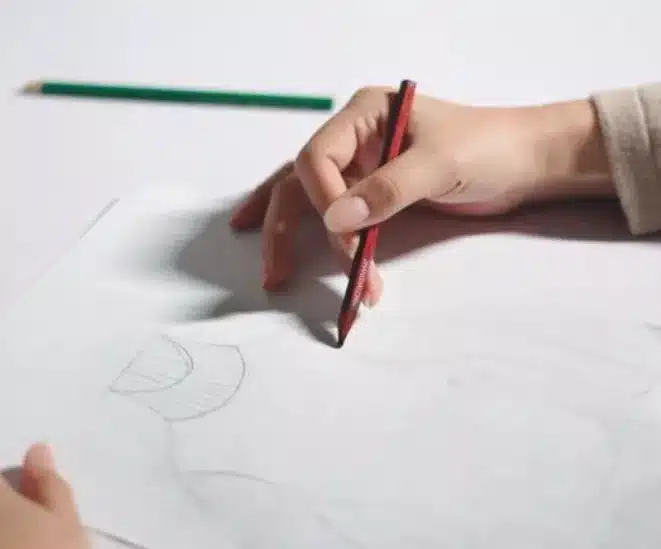
When designing sweater styles, we not only consider whether the clothes are fashionable and beautiful, highlighting the elegant temperament of women, but also consider the practicality of the clothes.
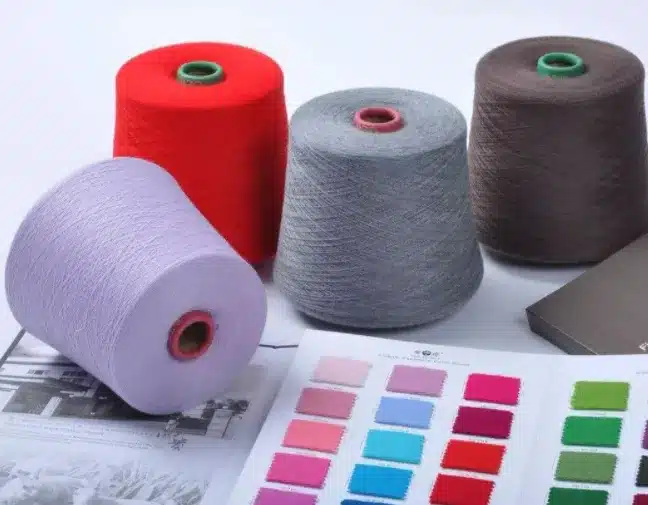
In addition to style design, we also select the yarn. We purchase the yarn needed for the bulk production, and then check the color of the cylinder number according to the sample color. Once the color is confirmed, the yarn is put into the warehouse.
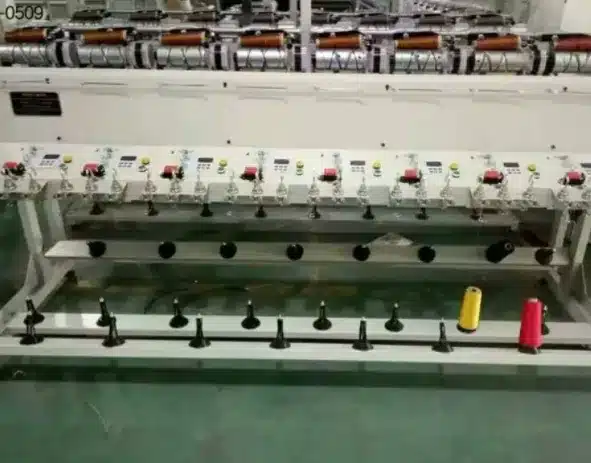
In order to make the yarn smoother and not tangled when it is put on the machine, it is necessary to apply a layer of wax on the purchased yarn and use a dehairing machine to dehair it.
Then our engineers will drawn up the process sheet in the form of numbers + images, down to every stitch and every move, and then copy and pass it to the workers. The process drawing is a concrete manifestation of the production standard and operation method.
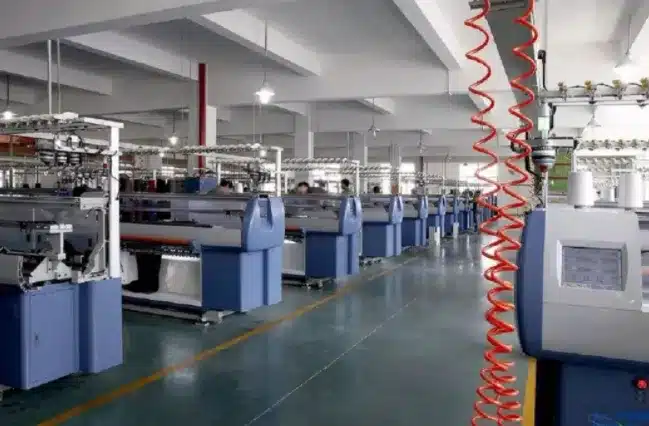
The quality of the fabric directly affects the finished product of the entire garment. Sweaters knitted by our advanced machines have vivid patterns and smooth and soft fabrics.
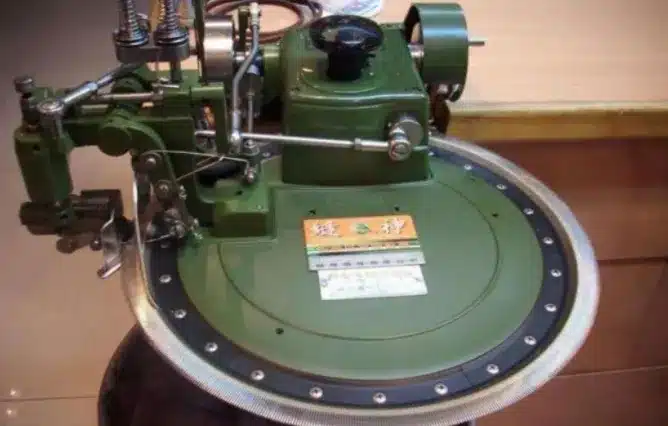
The seams must be aligned and the tightness of the seams must be moderate. This is definitely a skill! Due to this process, a good sweater is smooth and beautiful, with moderate elasticity in the seams.
If the sweater has buttons, then after the sweater comes out, you can make buttonholes and sew buttons on it, and the sweater is basically finalized.
Clothes usually need to be shaped after they are made. Because the sweater is just made with wool and has gone through many processes, it is a little wrinkled, so the shape needs to be fixed, so it needs to be ironed.
After the sweaters are finished, we need to sew the company’s logo into them.
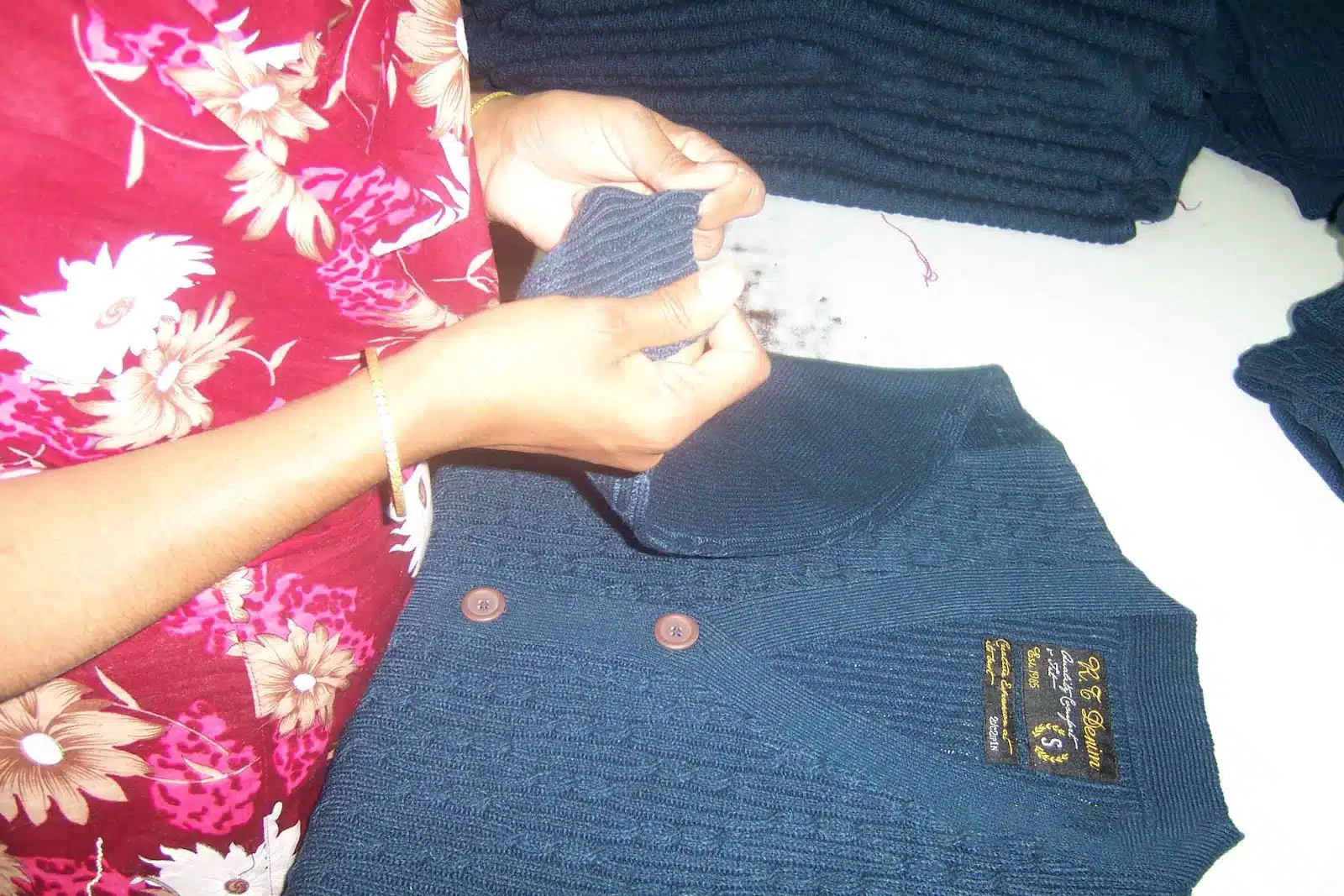
Most of the steps in making sweaters need to be completed manually, including making the craft drawing board, inspecting the pieces, manually putting on the hems, checking for patches, checking for holes under a light after washing, and ironing the patterns. These all need to be done carefully step by step by hand.
Pure wool (including wool blends): can be divided into wool sweaters, cashmere sweaters, camel wool sweaters, lamb wool (short wool) sweaters, rabbit wool blended sweaters, camel wool blended sweaters, yak wool blended sweaters, etc.
Blended fabrics: can be divided into wool/acrylic, mohair/acrylic, camel hair/acrylic, cashmere/nylon blended sweaters, cashmere/silk blended sweaters, etc.
Pure chemical fiber categories (including chemical fiber blends): can be divided into stretch nylon shirts, stretch polypropylene shirts, stretch polyester shirts, acrylic bulked shirts, acrylic/polyester, viscose/nylon blended shirts, etc.
Interwoven type: can be divided into wool acrylic, rabbit hair acrylic, wool and cotton interwoven sweaters, etc.
Combed wool: various wool sweaters, coarse and fine wool sweaters, etc. woven with knitted wool, fine wool yarn and coarse wool yarn spun using the combing process.
Carded sweaters: various lamb sweaters, cashmere sweaters, rabbit wool sweaters, camel wool sweaters, and snow blue wool sweaters woven with knitted yarns spun using the carding process.
Fancy yarn sweaters: These are sweaters made from fancy knitted fleece (boucle yarn, knotted yarn, free yarn, and brushed yarn). These sweaters have a unique appearance, a unique style, and an artistic feel.
Sweater fabrics are generally weft-knitted fabrics, and there are two types: circular knitting products and flat knitting products.
Circular knitting machine products: refers to sweaters that are first woven into cylindrical fabric using a circular knitting machine and then cut, processed and sewn into fabric.
Flat knitting machine products: refers to sweaters that are knitted into garment blanks on hand-cranked flat knitting machines and then processed and sewn together. They can also refer to sweaters that are knitted into fabrics on computerized flat knitting machines and then cut, processed, and sewn together.
Sweaters are generally divided into single-sided, four-level, fish scale, jacquard, pull pattern, cross pattern, twist pattern and many other types.

Sweaters can be divided into printing, embroidery, appliqué, tying, beading, coiling, brushed, shrinking, leather inlay, relief, etc.
Printed sweaters: These are a new type of sweater, featuring patterns printed using a printing process to enhance the aesthetic effect. Printing options include full-body, front, and partial prints, offering a beautiful appearance, strong artistic appeal, and excellent decorative qualities.
Embroidered sweaters: Sweaters are embroidered with various floral patterns, either by hand or machine. The patterns are delicate and exquisite, and colorful, mostly found on women’s and children’s wear. Embroidered sweaters include natural color sweaters, solid color sweaters, colorful sweaters, velvet sweaters, silk sweaters, and sweaters embroidered with gold and silver thread.
Fleece sweaters: Woven sweater panels are treated with a fleece process to create a dense, even layer of fleece on the surface. Fleece sweaters are fluffy and soft to the touch, and are light and warm to wear.
Felled sweaters: also known as shrunken sweaters or woolen sweaters, generally undergo a fleece-shrinking process. After fleecing, the sweater has a dense and thick texture, a soft and full feel, and a dense and fine fleece on the surface, making it comfortable and warm to wear.
Embossed sweater: It is a new type of sweater with strong artistic quality. It is made by printing patterns on the wool sweater with water-soluble anti-shrinkage resin, and then shrinking the entire sweater. The pattern printed with anti-shrinkage agent will not shrink, and the surface of the fabric will show a relief pattern with shrunken and non-shrinked bumps. The relief is then embellished with prints to give the pattern a strong three-dimensional sense. The pattern is beautiful and elegant, giving people a novel and eye-catching feeling.
Sweaters can be personalized by choosing styles, fabric materials, colors and patterns, sizes and fit , and craftsmanship to create a unique, tailored garment.When customizing, you can mix and match these options according to your needs and preferences.


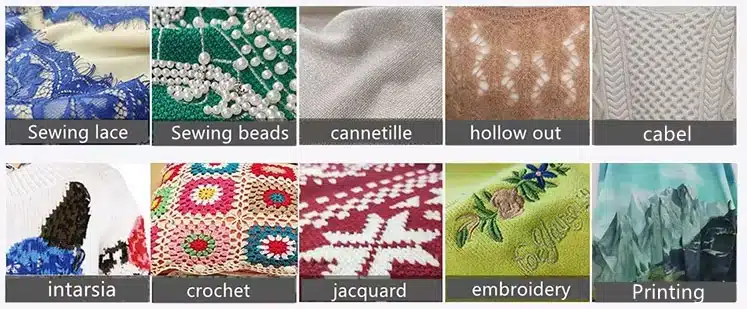
Common decorative techniques for custom sweaters include embroidery, printing, appliqué or patches, sequins and beading, and cable or jacquard knit patterns, all of which can be personalized to create a unique and stylish garment.
1, Impact of order volume
The minimum order quantity (MOQ) is set at 50 pieces, based on the optimization of production process and cost-effectiveness. We are committed to providing you with the best cost while ensuring that product quality is not compromised.
2, Impact of color/size on cost
A minimum order of 50 pieces per color is required, and we encourage efficient communication when it comes to color selection and size planning.
3, Relationship between yarn selection and cost
The uniqueness of each custom product lies not only in its design but also in the texture and quality of the materials. Therefore, when determining final mass production pricing, we adjust the price based on the type and weight of yarn used in the actual sample.
4, Cost considerations of design complexity
Intricate pattern design, professional plate sewing and high-quality accessories will all affect the cost. We hope to communicate closely with you to ensure that the design can be realized in a way that not only meets your vision but also keeps the cost under control.

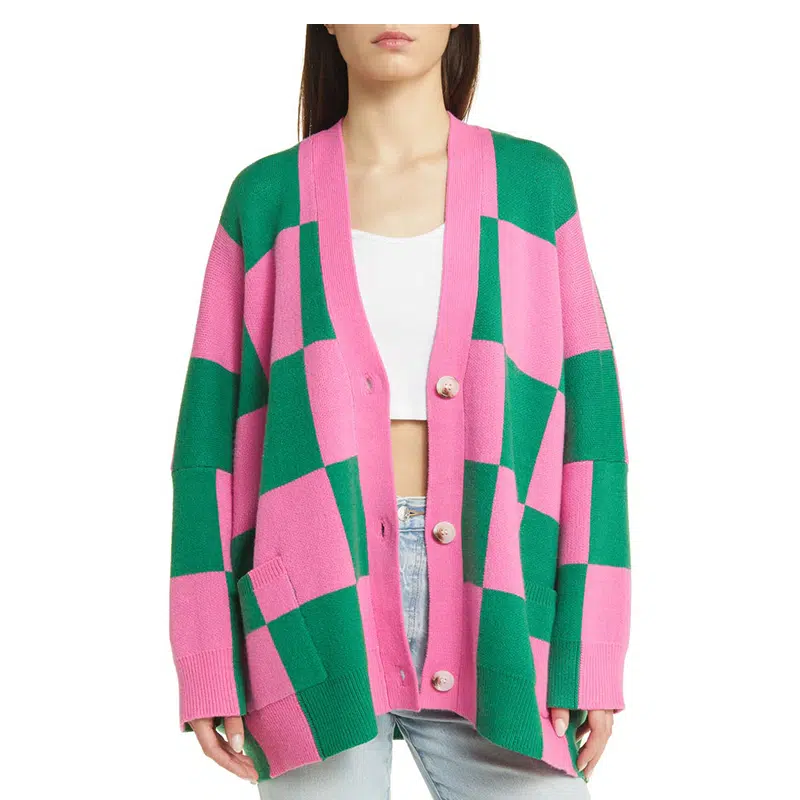
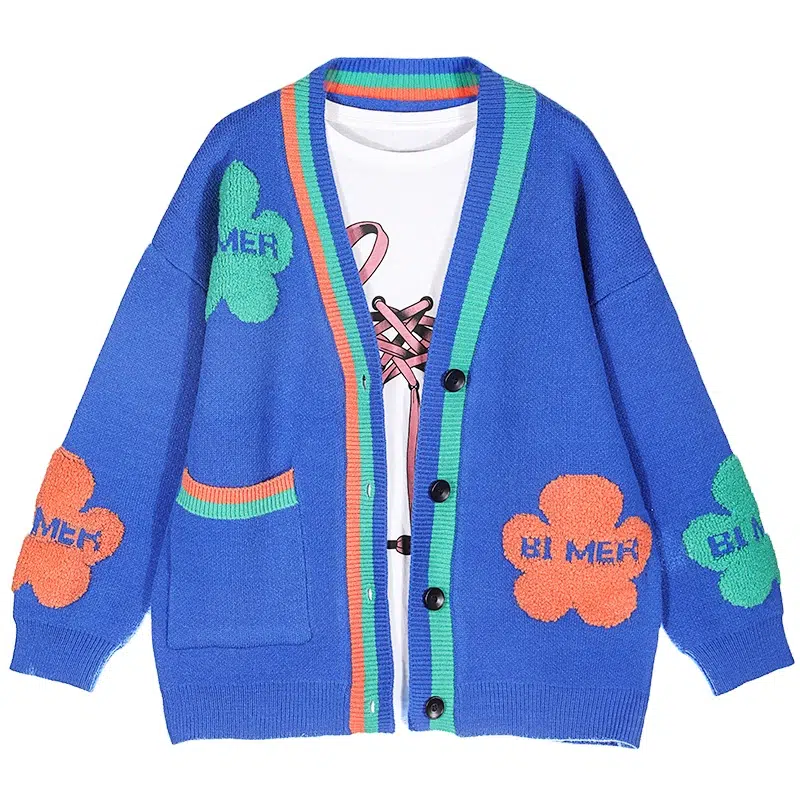
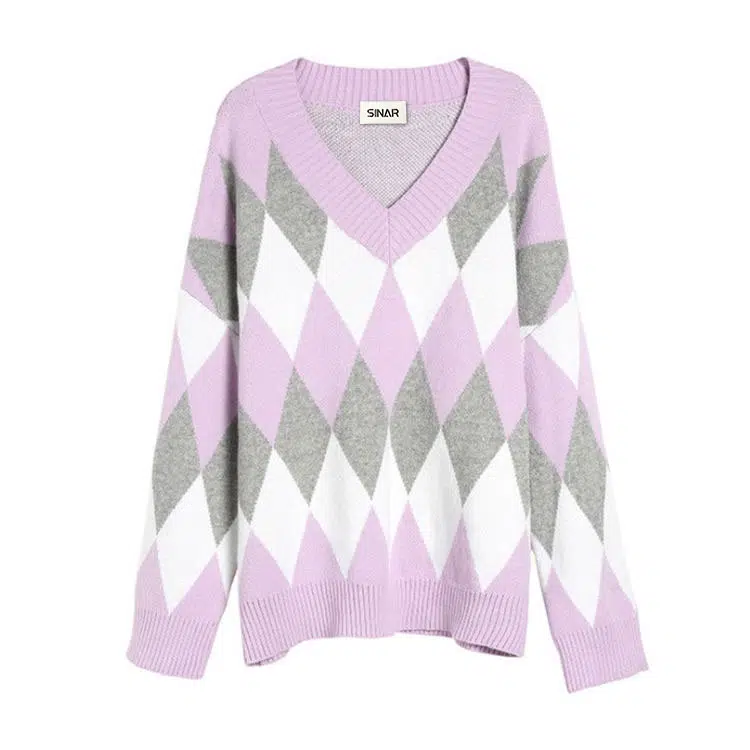
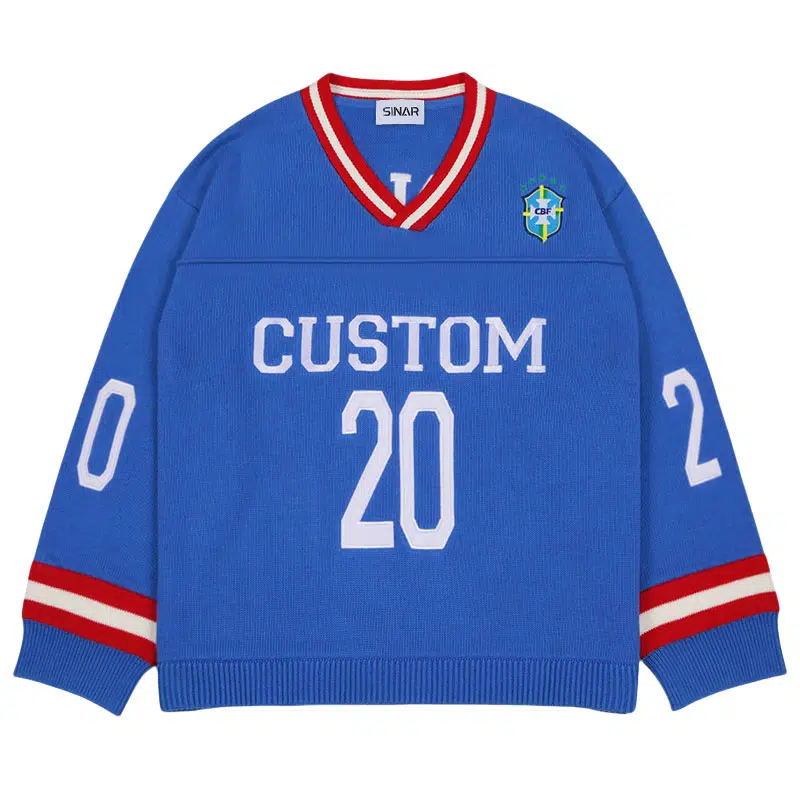

For stock items, the minimum order quantity is 1.
For custom designs, the minimum order quantity is 100 pieces per style.
All kinds of decoration on sweater are available. Various decoration like embroidery, hand embroidery, crochet, beading, sequin, printing ect. can be made on our sweaters.
Yes. Yarn type, blend, and weight affect the final production cost. All the below yarn material can be used on our sweaters:
Wool, merino wool,lambs wool and wool mixed yarnCashmere and cashmere mixed yarn, mohair, alpaca, angora 100% or mixed,
100% cotton, cotton acrylic,cotton viscose, viscose nylon, rayon nylon,tencel, silk. linen, metallic etc.
We can customize the style according to the yarn you want to achieve your target price.
Yes, your label can be put on our styles and you also can customize your own style with your own label.
Yes, we can do size customization according to your need, and all the measurements can follow your requirements.
Yes, sample orders are acceptable. Completion of samples usually takes 7-10 working days.
2 weeks after sample confirmed and the deposit received.
Delivery time is usually around 20–30 working days. Please check with us for the exact timing, as it may vary slightly depending on the product and order quantity.
30% prepayment and 70% balance payment before shipping.
We usually ship via DHL, UPS, FedEx or TNT. It usually takes 3-5 days to arrive. Air and sea freight are also available.
Our QC team will check strictly before shipping.