Welcome To Contact Us
Response Within 24 hours Guaranteed | Low MOQ from 50 pcs
🔒 100% Privacy Protected. No Spam Guaranteed.


Three months ago, after reading a piece from Meiro Department Store, “Beyond a ‘Hat That Lasts a Decade’.” It looked at how the winter headwear industry is undergoing a quality revolution amid changing consumption habits. The response surprised me – so many peers commented below that piece – the same thing: How did Helen Kaminski go from a single hat to a global brand with that “decade‑long” reputation.
It took me several months to know and study the development path of Helen Kaminski via its website story, media reports, sustainable development reports, and its global market expansion trajectory. Today, I wanna share from another view as a custom manufacturer of winter hats and apparel since 1998, a sub-brand from Aung Crown – What made it possible for a brand that started like a small handcraft workshop, Helen Kaminski, to survive cycles, expand across borders, and sustain growth for 40 years?
It all started in 1983 – Helen Kaminski from a piece of hat to the whole empire.
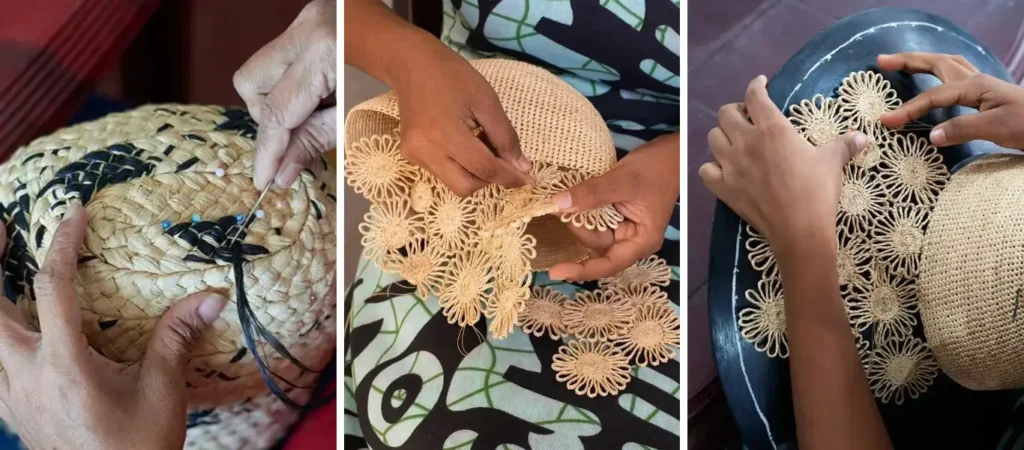
In New South Wales, Australia, a mother named Helen Marie Kaminski sat down and hand‑crafted a hat from raffia. She wasn’t entering a design contest or drafting a business plan. She just wanted to shield her children from the harsh Australian sun.
Nowadays, such a starting point is a standard story for all entrepreneurship – it began with a real need, and an honest, loving, and handcrafted reply from a mother. However, the biggest difference between Helen Kaminski and other numerous handicrafts businesses is that Helen Kaminski hasn’t abandoned “its original intent”. After that, a fashion editor at VOGUE saw the raffia hat, and the soaring demand for “Classic 5” led to its quick appearance on the magazine cover.
Here is the first lesson for all: the starting point of a brand can be very small, with clear value and intent. The original intent of Helen Kaminski was not to make a pretty hat, but to make a hat to protect her kids. Such humble, motherly love would eventually be refined into the brand’s enduring core ethos – “Designed to Last Forever” – a thread woven through 40 years. When a brand starts to express genuine care rather than fundamentally isn’t pushing a product.

In 1984, the VOGUE report made this raffia hat enter the global perspective. In the next 10 years, it was the key period for Helen Kaminski, shifting from being one person to an organization.
In 1985, Helen built her first workshop in Madagascar, not because Madagascar had the cheapest labor, but because the best raffia in the world is there. In 1990, Helen Kaminski launched its first handbag – “Sac”. In 1995, the year I was born, Helen Kaminski’s “Provence” was designed, which became one of its most signature symbols.
Helen Kaminski started going global in the early 2000s. But if we only follow the timeline, it looks like any other brand’s standard “small‑to‑big” narrative. What really matters is how it thinks about the supply chain. Most brands will choose the shortest path – “OEM + Outsourcing” when they expand globally. However, Helen Kaminski chooses a totally different path – it hires more than 6000+ employee in its rural workshop in Sri Lanka, which is not an OEM relationship, rather, it is an industrial ecosystem centered on the brand.
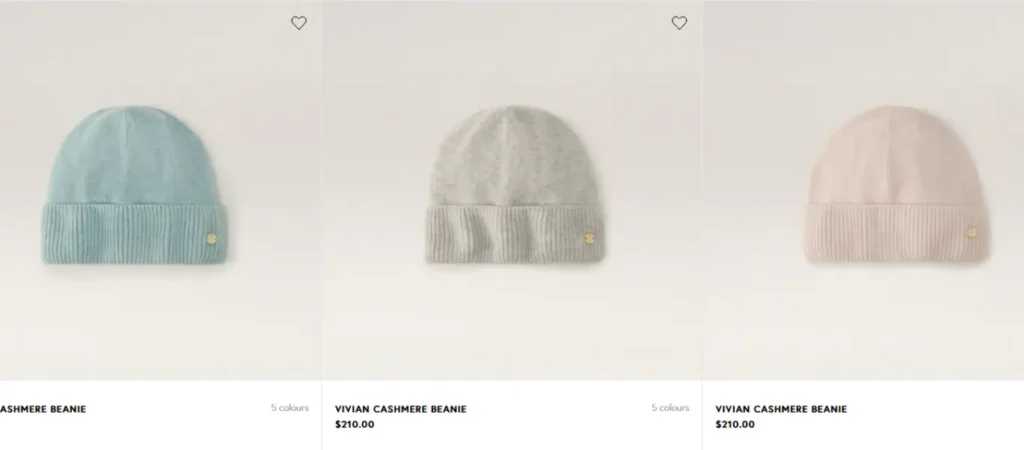
More significantly, in 2024, Helen Kaminski signed the agreement with Sri Lanka’s National Apprentice and Industrial Training Authority to develop a national course for the qualified certifications from the government for crochet and knitting skills, which means that Helen Kaminski not only uses the craftsmanship from hat makers, but also helps set the standards for those crafts and drives a wider industrial upgrade.
Here is the second lesson for all: Supply chains are not the central cost but the value origin hub. If your relationship with the factory is only sourcing, then you are the enforcer for your brand. However, if, like Helen Kaminski, you form a shared destiny with your supply chain, one of symbiosis and co‑growth, you’ll gain an unassailable competitive edge.
The logic of category expansion.
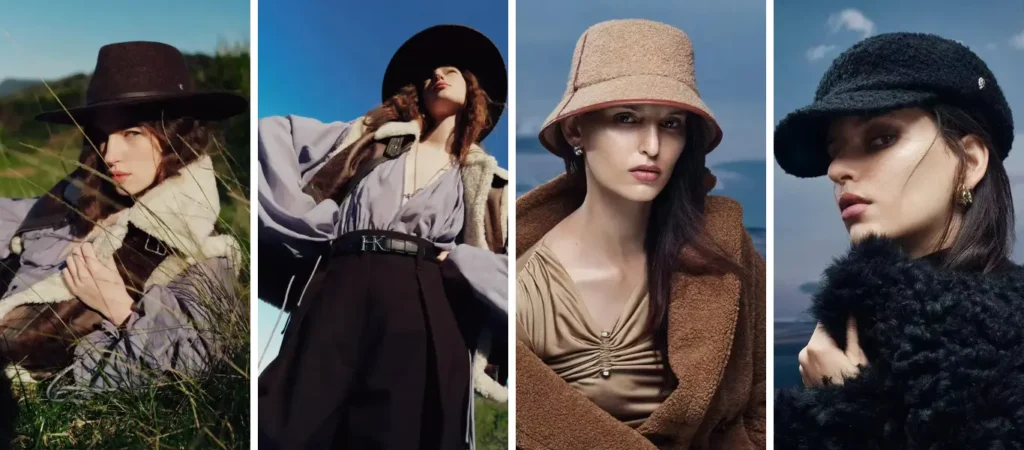
Nowadays, Helen Kaminski’s product lines are an entire ecosystem of product categories, covering headwear, handbags, shoes, and garments. How can Helen Kaminski do it? Every time it enters a new category, it starts from the category’s very origin. For headwear, it began with the raffia hat, because raffia is the material it knows best and excels at. For handbags, it chose the “Sac”, again using raffia, speaking the same craft language. For footwear, it likewise emphasizes “handmade, natural materials, sustainable design.” For wool winter hats, it partnered with Barunah Plains, an Australian merino wool farm, to develop the 100% traceable “Ultra Fine Wool Felt Conscious” collection.

Here is a name for such an expansion way – “Horizontal diversification within core competencies”. All its products are wrapped by the same core capacity of handicrafts, natural fabrics, and sustainable theory. This isn’t expansion for the sake of “selling more stuff”. It’s about ensuring that every new product category feeds back into, and strengthens, the brand’s central story.
Here is the third lesson: The expansion of manufacturers should not be “what we are capable of making”, but rather “what we ought to be making”. Many factories, after making some profits, rush into branding, and once they have a brand, they try to cover every category. The result? They lose their original edge while failing to build new defenses. Helen Kaminski’s story tells us that once you have dug a sufficiently deep moat in one category, the logic of expansion is not “the wider, the better” but rather “the deeper, the better.” Ultimately, the strength of your brand determines the boundaries you can reach.


Helen Kaminski’s journey to global markets holds plenty of subtle yet powerful details worth unpacking.
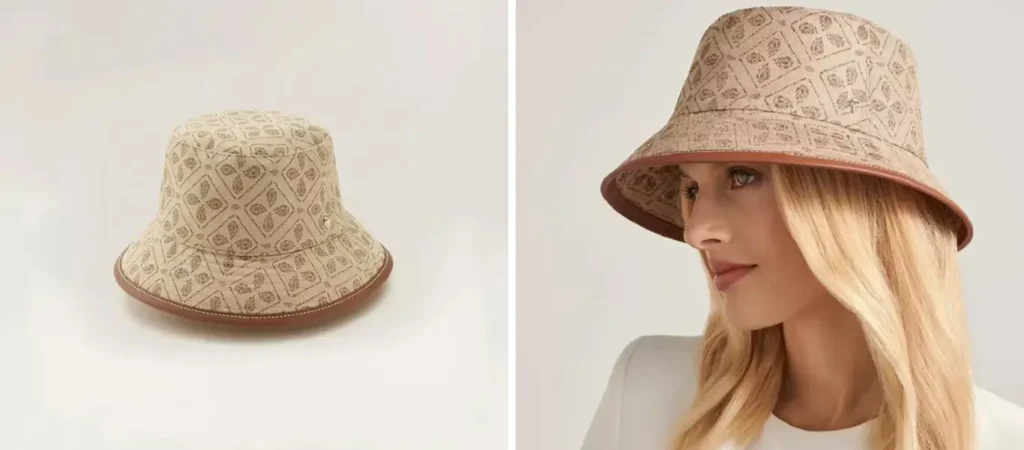
In the Japanese and South Korean markets, Helen Kaminski experienced a full cycle, from rapid growth to market saturation, followed by strategic adjustment. In the Asia‑Pacific region, it adopted a direct wholesale model, establishing partnerships with local boutique retailers. In Europe and the US, it went through a phase of pullback and recalibration. When it returned to the Première Classe trade show in Paris in 2025, the brand’s executive vice president admitted, “We haven’t been a major focus in Europe for several years. Now we realize that our products are still very relevant in the market, so we’ve chosen to make a return.”
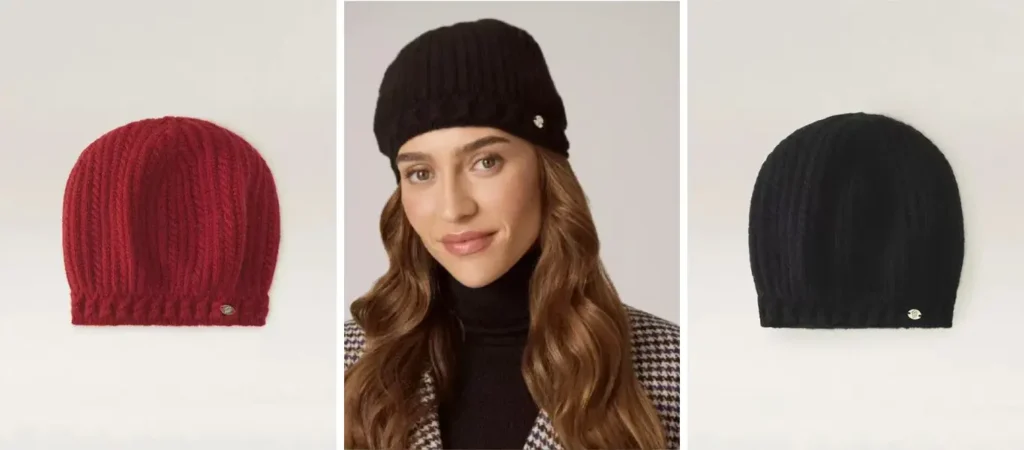
During the 4 decades of global expansion, Helen Kaminski has maintained a notably measured and restrained approach toward the Chinese market. Until March 2026, through Shanghai Fashion Week and its Tmall flagship store, Helen Kaminski officially entered the China market. With a dual launch of “Shanghai Fashion Week debut and Tmall flagship launch,” it achieved online‑offline channel synergy, while offering customers an immersive aesthetic experience via its offline brand showcase space.

This “no rush to enter” plan stands in sharp contrast to the “scorched‑earth launch” strategy adopted by most brands today. Helen Kaminski doesn’t feel the need to prove itself in any market overnight; instead, it chooses to enter at the right time, in the right way, when both the brand and the market are ready.
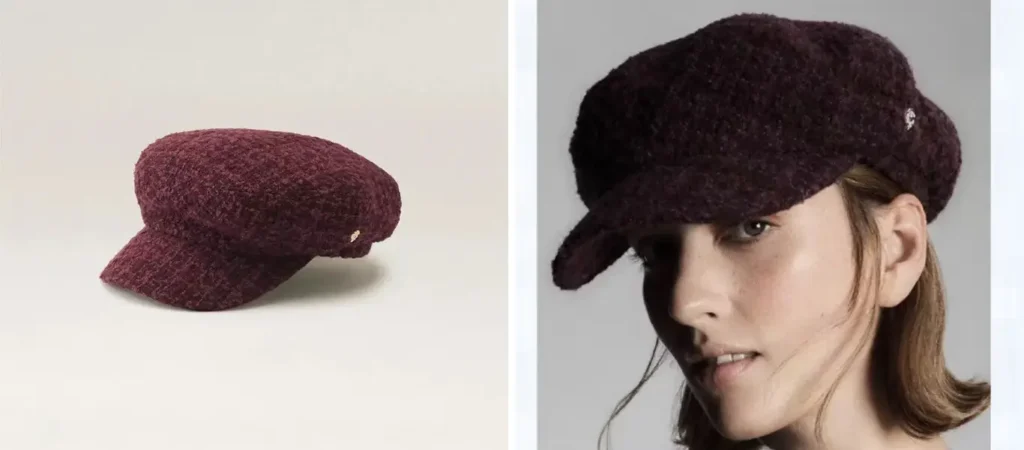
Here is the fourth lesson for all: Going global is not about “conquering territory,” but about “choosing the right time and place.” For Chinese hat manufacturers, the domestic market itself is already a sufficiently large and still rapidly growing arena (with a CAGR of over 7%). Before heading overseas, it’s far wiser to solidify your home‑front business than to rush blindly into global markets.
It’s the future of manufacturing. During Helen Kaminski’s development, sustainable development is a bonus feature, and it’s the very bedrock of the brand.
Helen Kaminski obtained the “Positive Luxury” in September 2023, which is the highest standard for luxury brands in terms of sustainability, responsibility, and innovative practice. At its Sri Lankan workshop, Helen Kaminski installed water treatment facilities to recycle wastewater for the dyeing process, recovering and reusing up to 2,000 liters of water per day. On the material front, it requires that at least 50% of all fabrics and yarns come from natural or certified recycled fibers. Helen Kaminski also mandates that a minimum percentage of inventory fabric be used each season to control and reduce material waste.
What truly reveals the underlying logic of “sustainability” is this: the brand’s entire product design philosophy is built on long‑termism – “fashion should be designed with longevity in mind.” This is inherently at odds with the “high turnover, fast iteration” logic that dominates modern manufacturing. Yet it proves one thing: when a brand’s values are clear enough, the market and consumers will cast their trust through their purchasing decisions.
Here is the fifth lesson for all: Sustainability is not a cost and it is a new strong form of competitiveness. For Chinese manufacturers, this signals a shift in mindset from “winning by tonnage” to “winning by quality.” A factory that can clearly trace its raw material sources, optimize energy consumption, and treat artisan labor with dignity and fair protection will increasingly earn the favor of premium brand clients, not just for ethical reasons, but as a commercial necessity.
The starting point of a brand’s development is always “truth”.
The 4 decades that Helen Kaminski has undergone, from the countryside in Australia to the ventral stage of global luxury. Not once did it depend on a viral bestseller or some mythical “traffic code”. Rather, Helen Kaminski quietly got a few “unfashionable” things right: it won over real customers with a genuine original purpose; it pushed back against machine‑driven mass production with simple, honest handcraft; and it structured its supply chain as a holistic ecosystem – not a patchwork of disconnected orders.
As a custom winter hat manufacturer, we cannot simply say that we are the Helen Kaminski in China. However, the starting point of brand growth is never “What product do I want to make?” – but rather, “What real problem do I want to solve”?
All questions and answers are there. The question is, would you like to spend 40 years to give your answer like Helen Kaminski?
A: There are 3 key shifting points of Helen Kaminski during its 4 decades of development. Here are 3 key turning points stand out. The first came in 1984, after the VOGUE feature triggered a surge in demand. Instead of outsourcing production, the Helen Kaminski set up its own workshop in Madagascar in 1985, scaling up through an “artisan model” without compromising quality, laying the decisive foundation for its irreplaceability. The second turning point was the category expansion of the 1990s, moving from hats into handbags, then footwear and apparel – each expansion orbiting the same concentric core of “raffia + handcraft + natural materials.” The third came in 2012, when the brand established a rural workshop system in Sri Lanka, integrating more than 6,000 artisans into its ecosystem. In 2024, it took a further step by helping shape the national skills curriculum – evolving from a “user” of craftsmanship into a “definer of standards.” This is the shift the brand’s transformation from “making products” to “shaping an entire industry.” All these 3 shifting points have made the Helen Kaminski we know today.
A: Helen Kaminski’s sustainability system is relatively comprehensive, from material sourcing, supply chain management, water treatment, community empowerment, to certification standards. On the material front, the brand requires that at least 50% of all fabrics and yarns come from natural or certified recycled fibers, while partnering with the Barunah Plains merino wool farm in Australia to achieve 100% traceability of its raw materials. On the production side, the Sri Lankan workshop is equipped with water treatment facilities that recycle up to 2,000 liters of wastewater per day for dyeing and irrigation. On the community side, the brand provides female workers at its Sri Lankan workshop with free sanitary products, a dedicated nurse, and group life insurance. On the certification front, the brand obtained “Positive Luxury” certification in 2023, an assessment covering three dimensions: Environment (55%), Governance (72%), and Innovation (66%). These practices are not about “label-slapping” – they represent a systematic commitment throughout the product lifecycle.
A: Helen Kaminski’s model in Sri Lanka offers profound insights for Chinese manufacturers. First, it redefines the value of supply chain roles. The brand’s workshops in Sri Lanka are not “factories” – they are an inseparable part of the brand itself. The artisans’ skills, the origin story of raffia, and the community‑empowerment narrative collectively form the foundation of the product’s premium pricing. Second, it shifts the relationship from “transactional” to “symbiotic.” The brand invests resources in training artisans, establishing national skills standards, and providing welfare benefits above local norms. In return, the artisans develop a deep sense of identification with the brand, ensuring process stability and product consistency. Third, it highlights the humanistic storytelling value of supply chains. On the consumer side, the brand’s “handcrafted in Sri Lanka” narrative becomes a powerful value driver – customers pay for the craftsmanship, but also for the human warmth behind it. For Chinese manufacturers, this means that while upgrading craftsmanship and protecting artisans’ rights, they can also think about how to turn their own manufacturing story into an integral part of a brand’s narrative.