Welcome To Contact Us
Response Within 24 hours Guaranteed | Low MOQ from 50 pcs
🔒 100% Privacy Protected. No Spam Guaranteed.
Author: Cindy Chen from Aungwinter
Official Website:https://aungwinter.com
Aungwinter: Focusing on High-end Winter Headwear – Made in China – Global Supply
At the end of 2025, China’s cotton production reached 6.641 million tons, which occupied our industrial insights. As a custom manufacturer of beanies, winter bucket hats, and balaclavas, often working with international brands, we (Aungwinter) are sensitive to “cotton” the same way cotton farmers are. Cotton is not a commodity-coded bulk good, and it’s the starting point of each hat in our factory.
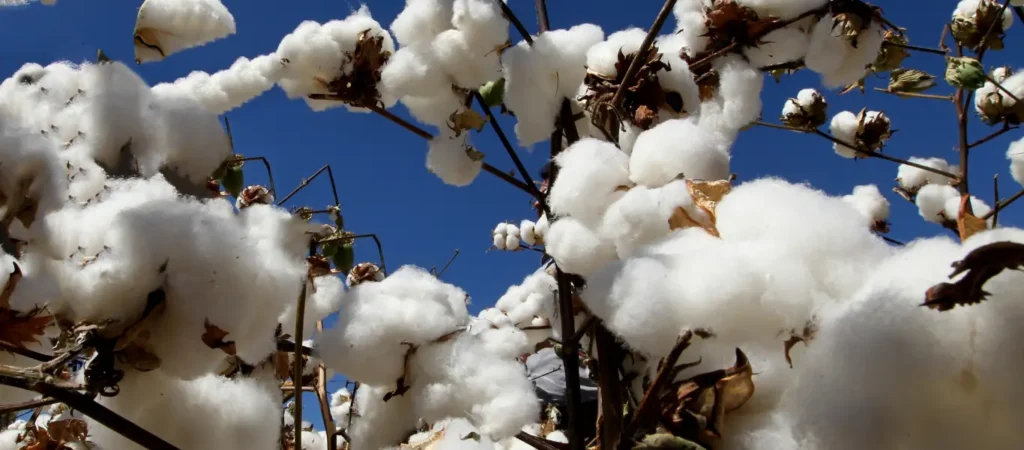
This cotton production output has increased 7.7% year over year. Xinjiang occupied 92.8% of the whole nation, and the per-unit output has increased for 6 straight years, which seems a victory of cotton farming in the agricultural field. However, from our manufacturing side, it’s a series of complex signals that are bonded with cost, compliance, competition, and opportunities.
From this insight, we are going through to analyze the global game behind the cotton production surge in 2025, and its rippled influences from Shenzhen’s manufacturer flood to retail shelves across Europe and the US, from a real China custom manufacturer located in Shenzhen, China, since 1998.
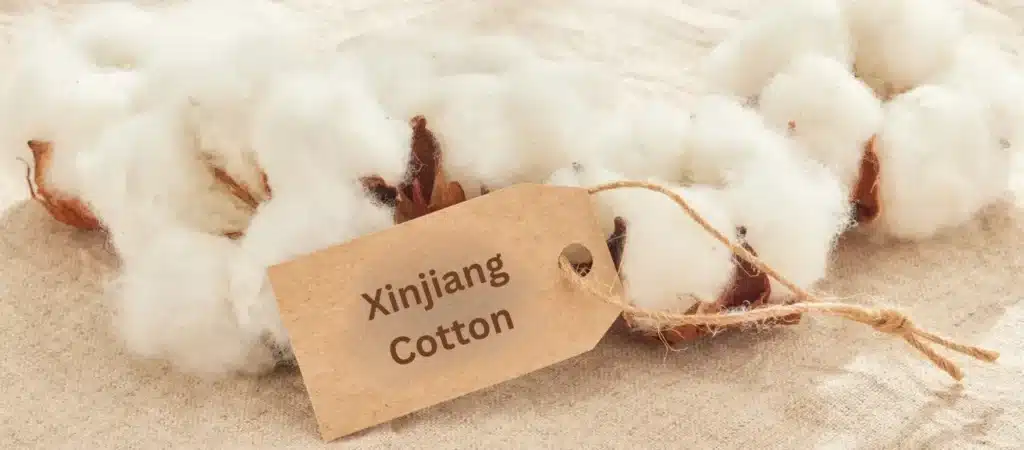
Reliable Xinjiang cotton supplies mean we can confidently accept bulk orders.
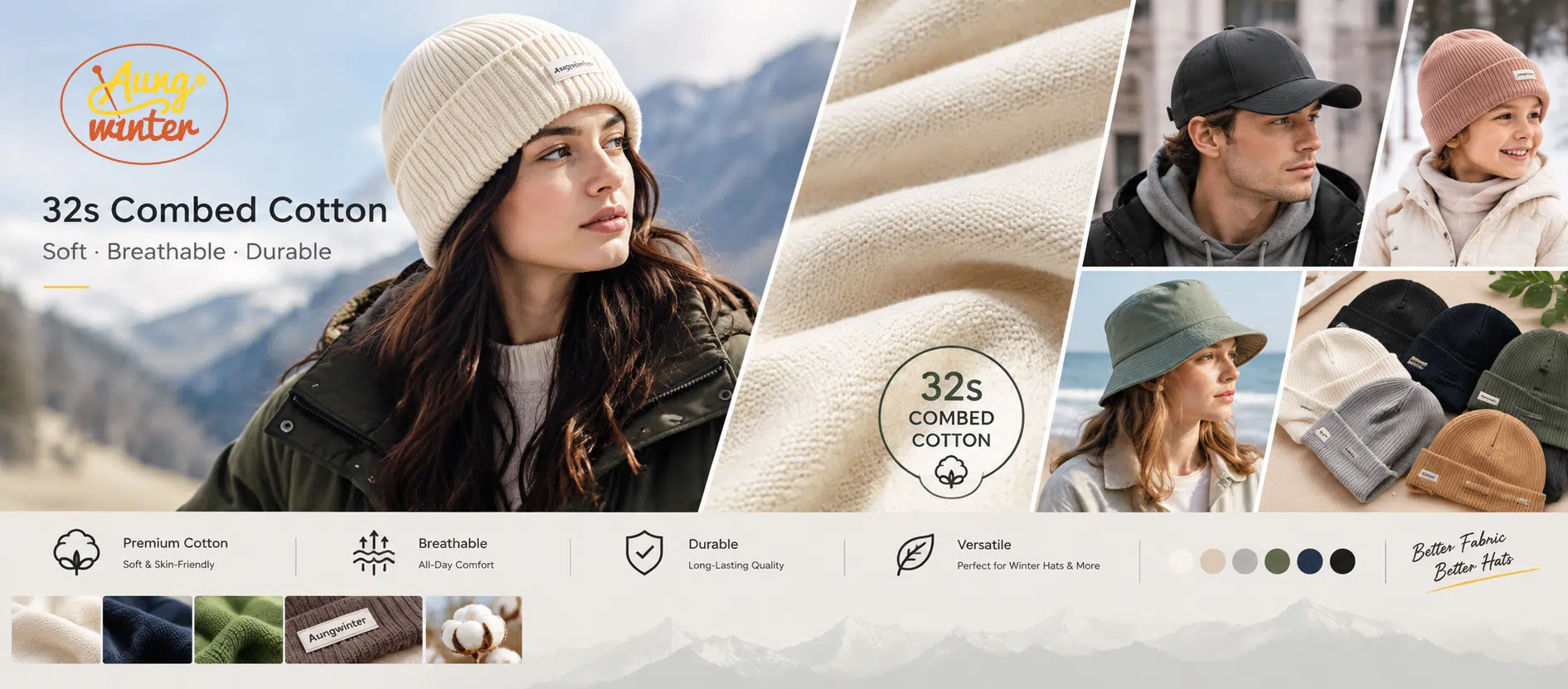
The main products of Aungwinter are winter warm hats, and over 70% of them are made from cotton or cotton-blended fabrics. Each year, we source more than hundreds of tons of cotton yarns. The stable supply chain of raw materials and consistency of quality are the core basis of quotation and production planning.
In 2025, Xinjiang cotton output exceeded 6 million tons for the first time, with the mechanized harvesting rate remaining stable at over 90%, and the overall mechanization rate of cultivation, planting, and harvesting stands at 97%. What does this mean? For us, a manufacturer of custom winter hats, this means that inter-batch variations in Xinjiang cotton have significantly narrowed down, the impurity rate has dropped, and the strength index (breaking tenacity) has increased by nearly 50% compared to 5 years ago. When we manufacture highly dense knitting beanies and earflap hats, the yarn breakage rate has dropped by approximately 15%, with a corresponding decrease in the fabric defect rate.
In the past, we needed to develop a complex cotton blending strategy among Pakistani, Brazilian, and American cottons to balance cost and quality. Nowadays, the stability of Xinjiang cotton gives us the confidence to use it as our primary raw material, only blending it with long-staple cotton or organic cotton for a small number of high-end orders, which also streamlines the sourcing process, leading us to provide more consistent product data when delivering to our European customers.
Data Support: The whole nation’s cotton production output in China was about 148.6 kilograms per mu in 2025, continuously increasing over 6 years. After the implementation of the quality traceability subsidy for Xinjiang cotton, the share of high-strength cotton increased by 49.4%. This is directly reflected in the abrasion resistance test and colourfastness performance of our finished headwear.
The application of low prices is a double-edged sword.
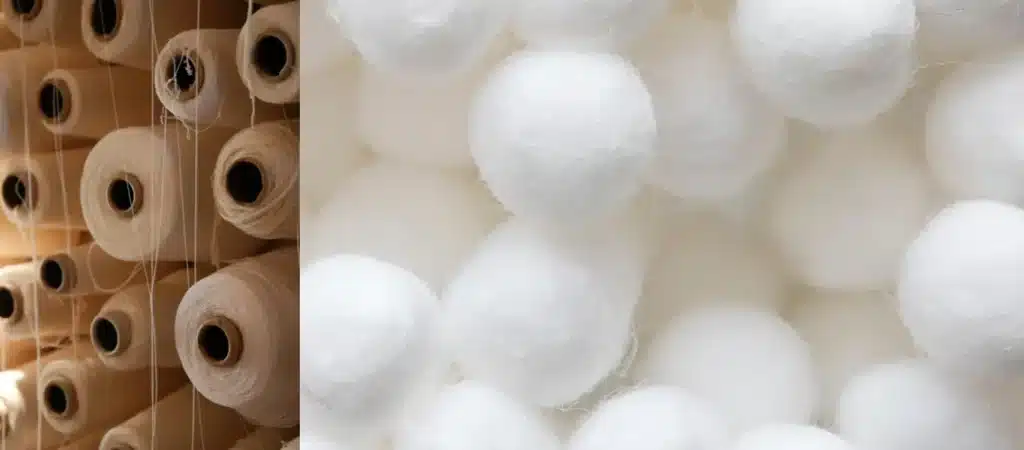
The 2025 global cotton production surge has reached its peak since the 2012/13 season, with the main surges from China and Brazil. However, Australia, Turkey, and Uzbekistan have a significant reduction in cotton production output. The U.S. Agriculture assumes that the world ending inventory will be up to 4%, and the international cotton price is lowered by 11% year by year.
From a sourcing aspect, low cotton prices are a good thing. In 2025, we sourced 32s cotton yarns, and the average price was lowered by about 8% year by year, which can directly lower the raw material cost of our headwear. However, it’s not that simple.
As a manufacturer of winter hats, we hope to see a tender rising, steadily controllable cotton market. Soaring prices hurt brands and our clients’ budgets, while crashing prices make everyone hold on to their wallets, waiting for the bottom. The 2025 combination of “low cotton prices, weak demand” is a stress test for supply chain resilience.
How can we ship to the world in full compliance?
Our (Angwinter’s) products are exported to North America, the European Union, Japan, Korea, and more. In 2025, the rising U.S. tariffs on Chinese textiles, combined with aggressive enforcement of the Uyghur Forced Labor Prevention Act (UFLPA), mean that any product containing Xinjiang cotton now faces a steep burden of self-proof to enter the American market.
At the beginning, this brings lots of trouble to us. Some of our regular clients ask us to source cotton yarn from India or Turkey to replace Xinjiang cotton. However, these alternatives are 15% to 20% higher than Xinjiang cotton, and the quality of the alternatives is not stable. Here are our two solutions for this problem.
It’s worth mentioning that the China Cotton Sustainable Development Program (CCSD) had certified 1.22 million mu of cotton fields by 2025, covering 3 dimensions: environment, society, and economy. Now, we are in talks with participating spill factories. Soon, we’ll be able to use CCSD-certificated Xinjiang cotton – complete with its own sustainable label – to present China’s homegrown standards directly to international customers. Moreover, that might just be the key to dismantling the UFLPA’s narrative stronghold.
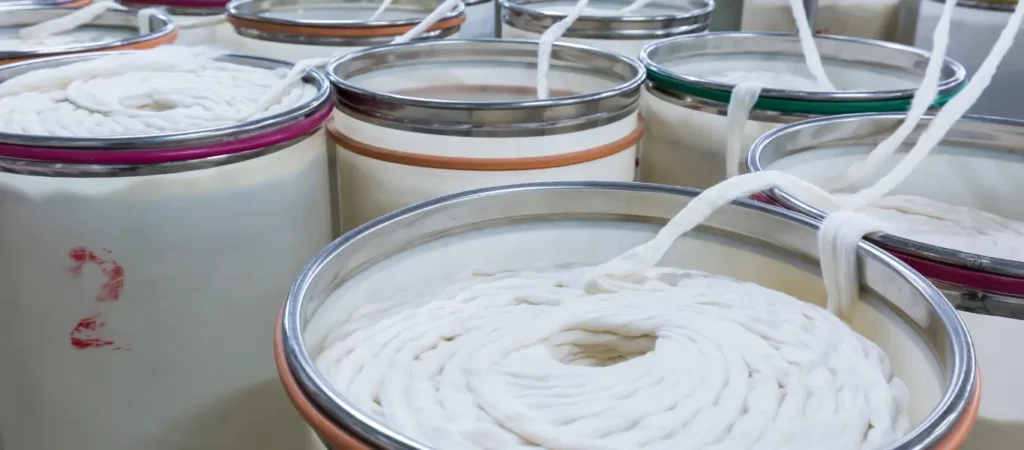
How southeast Asia competes and where our moat lies
Since 2025, Xinjiang yarn production has continuously expanded, and in the last 8 months, yarn production increased by 25.6% compared to the previous period. This means that more and more cotton is being spun into yarn in Xinjiang local places, and even woven into cloth. Meanwhile, Vietnam, Bangladesh, and Myanmar have improved their woven capabilities.
Some peers asked, “Have you considered moving your hat manufacturing to Myanmar or Cambodia?
Our answer: Of course not.
Here are the reasons:
Of course, we’re also watching Myanmar’s cotton spinning sector closely. Myanmar brings in huge amounts of cotton yarn from China annually. Still, Western buyers are changing their tune on origin preferences. Down the road, if a customer asks for it, we might share final assembly with a Southeast Asian partner. But the core – hat design, material innovation, and quality control – that stays in Shenzhen.
During the period of low cotton prices, what should manufacturers do?
The World Bank predicts that cotton prices edge up by roughly 3% in 2026 – but that’s about it. The rebound would be modest at best, and it all hinges on how fast the global economy recovers. From where we stand, whether prices go up or down, there are a few things we as a hat manufacturer absolutely have to get done.
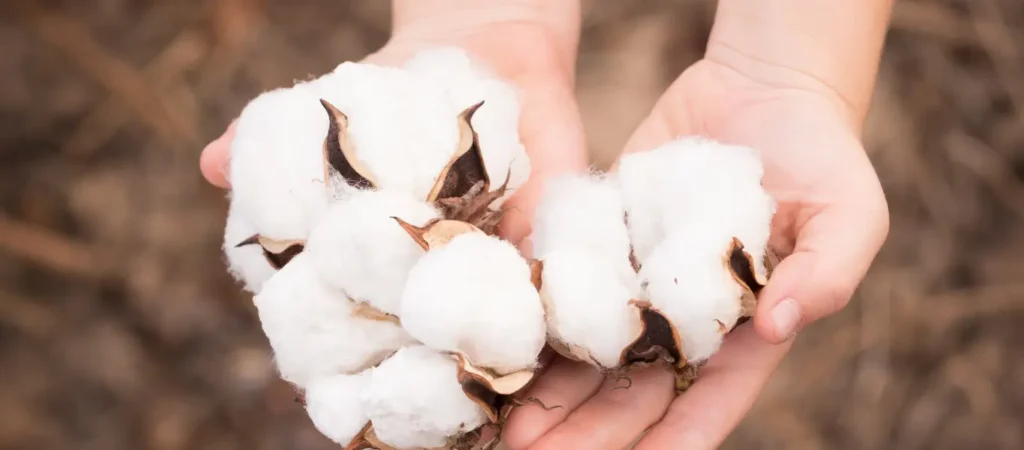
6.641 million tons of cotton is not only a number from the National Bureau of Statistics (NBS) of China. For us (Aungwinter), it means each updating of the strength index of yarns, and also means the stable, reliable quality that we keep our commitments to our clients.
The other side of this data is a complex reality – global downstream remaining similarly soft, soaring trade barriers, and the reshaping of industrial chains. As a manufacturer of custom winter hats in Shenzhen, China, we cannot control cotton futures, and we don’t get a seat at the tariff bargaining table. But here’s what we can do: adapt our buying strategy the moment prices shift, perfect our traceability with every new compliance hurdle, and lock in quality on every single hat we sew.
In 2026, Aungwinter stays in Shenzhen. We lean on the steady supply of Xinjiang cotton, while opening up to alternative fibers and homegrown sustainability standards like CCSD. The result: winter headwear that global buyers can trust. If you need a hat partner who knows fibers, knows production, and truly understands the rules of global trade, we’re ready to send you a quote.
Welcome to Contact Aungwinter at Your Convenience (We have two independent factories, please don’t get confused about the two different locations below)
Email:
Website: https://aungwinter.com
WhatsApp: +86 138 2372 7513
Address: Pinghu Street, Longgang District, Shenzhen, China, 518111
Address: Shangxing 5th Road, Yuanzhou Town, Boluo County, Huizhou, Guangdong, China
Notes: Please note that all data in this article is from the National Bureau of Statistics (NBS) of China, China Cotton Association, USDA, International Cotton Advisory Committee, and Aungwinter internal production records. Data Before December 2025.
Below are 3 questions that our clients ask most.
A: From our actual experience in spinning and weaving, Xinjiang cotton performs well at 3 key indicators: fabric length, strength, and impurity rate. The 2025 data shows that Xinjiang cotton’s breaking tenacity – key to yarn durability – has risen nearly 50% from 5 years ago, cutting our breakage rate in knitted hat production by roughly 15%. Meanwhile, mechanized harvesting and intelligent processing have slashed foreign fiber content (e.g., plastic film residue), leading to more consistent fabric surface finish and colorfastness. For finely knitted styles like bucket hats and double‑layer beanies, Xinjiang cotton delivers more uniform yarn count control and fewer rejects. Bottom line: hats made with Xinjiang cotton have fewer defects, a softer feel, and greater wear resistance.
A: Since the implementation of UFLPA in 2022, we (Aungwinter) have spent 2 years building the supply chain traceability system. Here they are.
We source only from Xinjiang cotton cooperatives and ginning factories audited by international firms like SGS or BSI. Every cotton yarn batch comes with full chain‑of‑custody records from farm to factories, video evidence of production, and labor documentation. We also hire specialist law firms to conduct independent “no forced labor” assessments – and open our entire traceability archive to Western buyers. On top of that, we are rolling out CCSD certification, a homegrown standard that covers environmental, social, and economic sustainability. It helps our customers prove the legality and sustainability of Xinjiang cotton. We’re already shipping Xinjiang‑cotton hats to Canada, the EU, and select U.S. brands. Yes, compliance costs more – but that cost has become a moat of trust that separates us from competitors in Southeast Asia.
A: We use a raw material cost smoothing mechanism to avoid customer frustration caused by frequent price changes. Here is what we do:
We advise customers to build appropriate safety stocks during this low‑cotton‑price cycle. We can offer six‑month rolling quotations and warehousing services to help brands lock in favorable costs.
If you have any further questions about hat materials, craftsmanship, or supply chain compliance, please feel free to contact the Aungwinter team.