Benvenuti a Contattateci
Risposta Garantita Entro 24 Ore | MOQ Basso da 50 pezzi
🔒 100%: privacy protetta. Garanzia anti-spam.


Dopo diversi mesi, l'inverno è pronto ad arrivare, quindi i cappelli diventeranno rapidamente un capo essenziale del guardaroba. Tuttavia, hai mai avuto questa esperienza: sta benissimo sulla modella, ma quando lo provi tu stessa, ti fa sembrare il viso più rotondo, ti fa sembrare più bassa, ti stringe troppo la testa, o semplicemente vola via alla prima folata di vento?
Come un produttore con oltre 28 anni di esperienza in cappelli invernali personalizzati dal 1998, Ogni giorno interagiamo con migliaia di consumatori e abbiamo visto innumerevoli acquisti “sbagliati”. La verità è che scegliere il cappello giusto può essere complicato o semplice quanto si vuole. Una volta comprese le cinque dimensioni chiave: forma del viso, circonferenza della testa, materiale, occasione d'uso e colore, chiunque può trovare quel cappello invernale che rende il proprio viso istantaneamente più sottile.
Oggi, noi di Aungwinter, analizziamo la scienza dietro come scegliere il cappello invernale perfetto direttamente dalla linea di produzione.
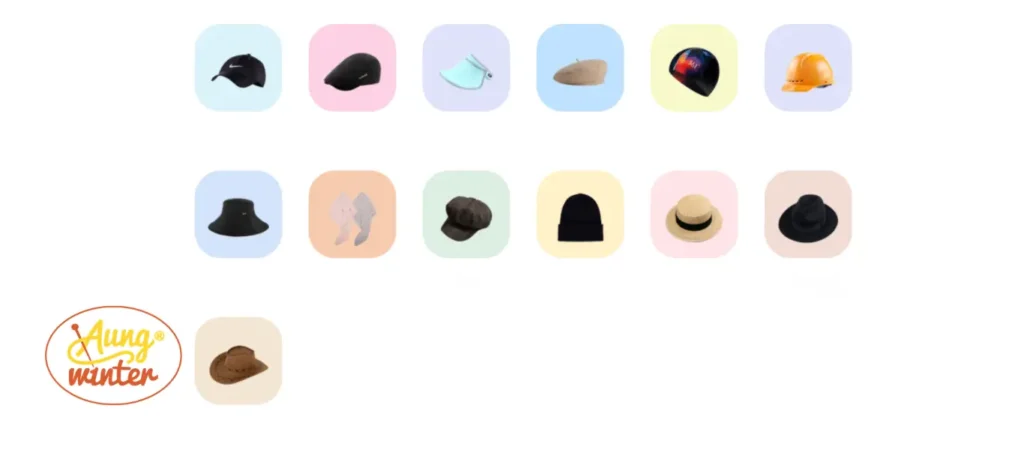
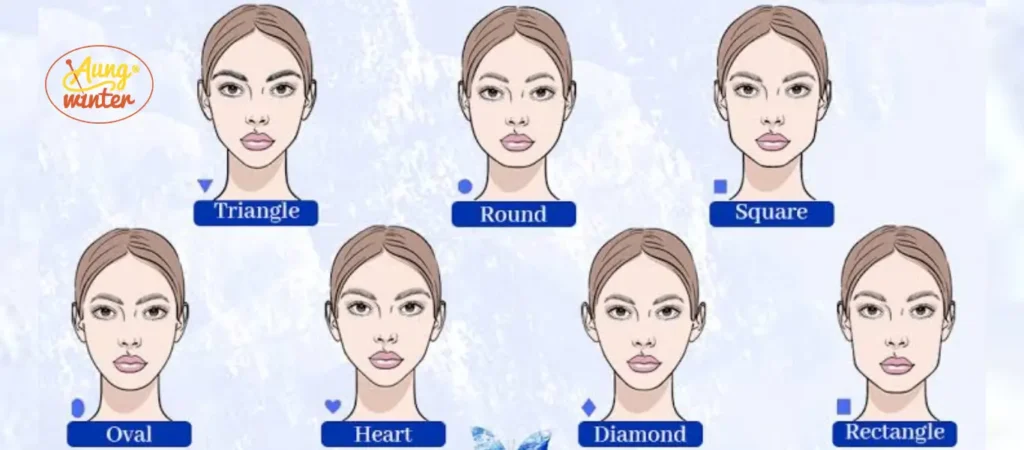
La regola d'oro nella scelta di un cappello è che non deve nascondere il viso, ma riequilibrarlo. La logica è in realtà piuttosto semplice: i visi rotondi beneficiano di linee angolari per spezzare la rotondità, i visi quadrati beneficiano di silhouette curve per ammorbidire la mascella e i visi lunghi beneficiano di una tesa che accorcia visivamente il viso.
Caratteristiche: Paffuto, arrotondato guance, con un rapporto 1:1 ravvicinato tra lunghezza e larghezza del viso.
Avuoto cappelli: Cappelli a cupola che aderiscono al cuoio capelluto, come i berretti da marinaio o i baschi piatti e destrutturati che seguono la rotondità del viso e lo fanno apparire ancora più largo.
Adatto stili di cappelli Cappellini da baseball (la tesa angolata taglia la rotondità), cappelli Panama e berretti (indossali di sbieco per rompere la simmetria).
Raccomandazione personalizzata: Se hai un viso rotondo, dai priorità a cappellini da baseball a tesa curva o ai cappelli "newsboy" strutturati per il tuo ordine personalizzato di cappelli invernali. Più la tesa è affilata, migliore sarà l'effetto snellente.
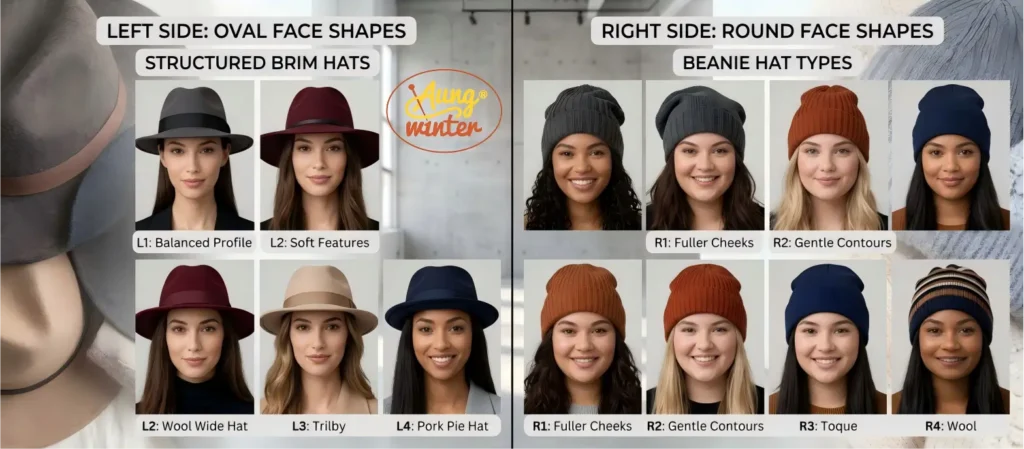
Caratteristiche: Proporzioni equilibrate, linee del viso morbide.
Cosa indossare: Quasi ogni stile di cappello va bene, non esiste una zona vietata, il che significa che incoraggiamo ancora chi ha un viso ovale a sperimentare diversi stili durante la personalizzazione. Infatti, c'è una differenza significativa tra “sta bene” e “sta magnificamente”.”
Caratteristiche: Mascella forte e definita.
Cosa evitare: Cappelli a tesa piatta e rigidi – accentuano solo l'angolosità che già hai, facendoti sembrare ancora più “squadrato”.”
Migliori stili di cappello: Cappelli a secchiello morbidi (la corona arrotondata addolcisce la mascella), cappelli cloche e berretti.
Raccomandazione personalizzata: Per chi ha il viso quadrato, opta per cappelli in feltro di lana a corona rotonda o morbidi berretti in lana. Scegli tessuti morbidi e con una buona caduta, evitando cappelli rigidi e strutturati.
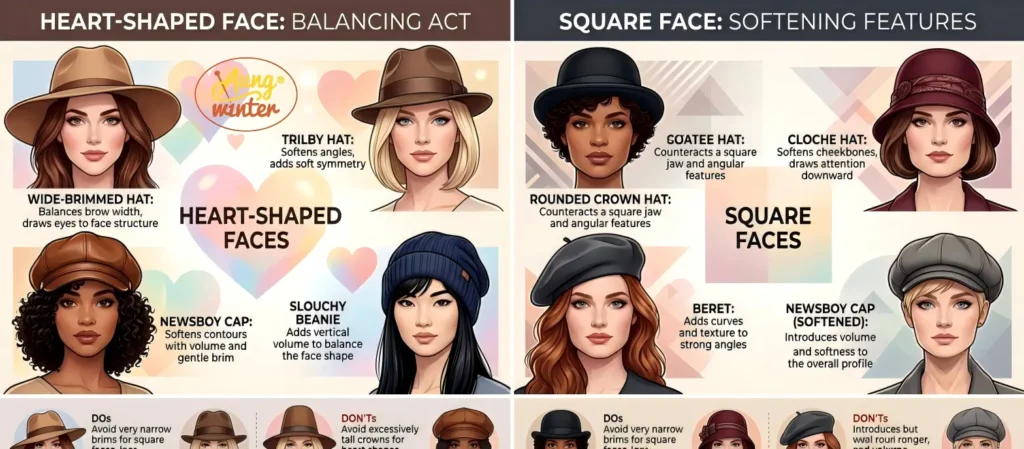
Caratteristiche: Fronti ampia, mento appuntito.
Migliori stili di cappello: Cappelli a t.
Caratteristiche: La distanza dalla fronte al mento è notevolmente più lunga della media.
Cosa evitare: Corone alte e stili alti – fanno sembrare il tuo viso ancora più lungo.
Migliori stili di cappello: Cappelli a secchiello (indossati calati), coppole e cappellini da baseball.
Raccomandazione personalizzataraccomandazione: Per i visi lunghi, gli stili a tesa larga e corona poco profonda funzionano meglio, indossando un cappello a secchiello basso sulla fronte per accorciare visivamente il viso. Quando personalizzi, cerca cappelli a corona poco profonda con una profondità della corona inferiore a 12 cm.
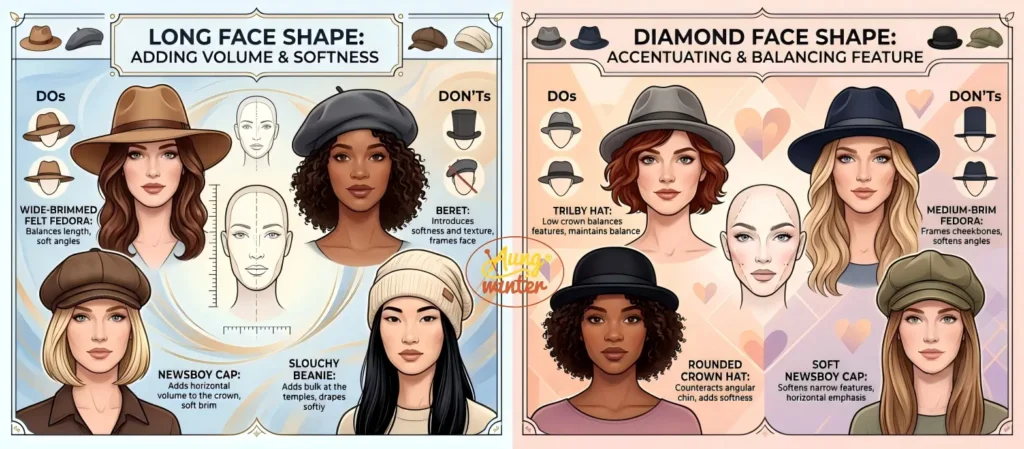
Caratteristiche: Zigomi prominenti con fronte e mento stretti.
Migliori stili di cappello: Berretti indossati con buona copertura sulla fronte; e cappelli a secchiello con la cima arrotondata.
Indipendentemente dalla forma del tuo viso, c'è una regola misurabile per farlo sembrare più piccolo: la tesa del cappello dovrebbe estendersi di almeno 1-2 cm oltre il punto più largo degli zigomi. Questa copertura visiva fa di più per snellire il viso rispetto a qualsiasi stile di cappello specifico. In breve, più larga è la tesa, più piccolo appare il viso.
| Forme del viso | Caratteristiche | Cappelli consigliati | Evitare i cappelli |
| Viso rotondo | Controllo del gonfiore con proporzione 1:1 tra lunghezza e larghezza del viso. | Cappellini da baseball Cappelli Pamana Berretti (indossali inclinati per rompere la simmetria) | Cappelli a cupola come i berretti da marinaio o i berretti piatti e destrutturati |
| Faccia quadrata | Mascella forte e definita | Cappelli a secchiello morbidi, con la cupola arrotondata Cappelli a cloche Berretti | Flattop, elmetti (possono rafforzare una mascella forte) |
| Faccia lunga | Una distanza piuttosto lunga dalla fronte al mento | Cappelli da pescatore Cappelli da edicolante Cappelli da baseball | Corone alte e tagli alti, sono perfetti per allungare il viso |
| Cuore–Volto sagomato | Fronte larga e mento appuntito | Cappelli a tesa piatta Cappelli a secchiello medi Cappelli a tesa larga | Cappelli a tesa troppo stretta o a cupola troppo leggera |
| Diamante–Volto sagomato | Guance a punta, mento stretto e fronte | Berretti Cappelli a secchiello con sommità arrotondata | Cappelli con tese troppo strette |
| Viso ovale | Viso dalla forma proporzionata con linee del viso levigate | Adatto a quasi tutti i tipi di cappelli | Quasi niente |
Questo è il passaggio più trascurato ma anche il più cruciale quando si acquista un cappello. Molti consumatori si lamentano che “i cappelli taglia unica sono scomodi”, e quasi sempre non è perché hanno una taglia di testa insolita, ma perché non si sono mai misurati la testa.
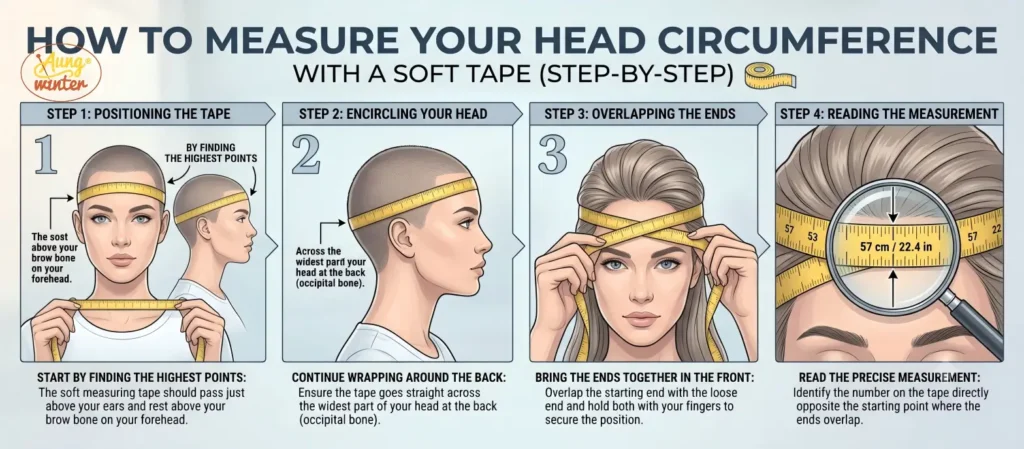
Prendi un metro da sarta morbido o un pezzo di spago, e avvolgilo intorno alla tua testa partendo da circa 1 cm sopra le sopracciglia, passando per il punto più sporgente della parte posteriore del tuo cranio. Quella misurazione è la circonferenza della tua testa.
Ecco tre punti chiave da tenere a mente:
| Misura della testa | Taglie di cappelli adatte | Consigli per la selezione |
| Circonferenza cranica standard 56-58 cm/22,05-22,83 pollici | Cappelli taglia unica in commercio, scelti per preferenza personale | Presta attenzione alla profondità della corona |
| Circonferenza cranica ampia Oltre 58 cm/22,83 pollici | Cappelli secchi a tesa larga Berretti regolabili Berretti rimbalzanti | Ricerca “cappello a testa larga” Scegliere berretti a maglia grossa con chiusura regolabile |
| Circonferenza cranica piccola Meno di 54 cm/21,26 pollici | Berretti Cappelli da strillone Cappelli per bambini di taglia grande | Cercando “cappello a testa piccola” Regolare la chiusura alla tenuta desiderata Scegliere cappelli di lana a trama fine |
In qualità di produttore su misura, sentiamo spesso i clienti dire: “La mia circonferenza cranica non è grande, ma i cappelli mi sembrano sempre stretti.” Il problema risiede spesso nella corrispondenza tra la circonferenza cranica e la profondità della corona, anche se la circonferenza è corretta, se la corona non è abbastanza profonda, il cappello non si poserà correttamente e continuerà a essere scomodo.
Quando si effettua un ordine personalizzato, si raccomanda ai clienti di fornire sia la circonferenza della testa sia la misurazione dalla parte superiore dell'orecchio alla sommità del capo. Questo dettaglio aggiuntivo fa la differenza tra un cappello che va bene e un cappello che calza alla perfezione.
In inverno, il materiale del cappello determina tutto: calore, comfort, durata e persino quanto bene mantiene la sua forma. Dipende tutto da cosa è composto il cappello.
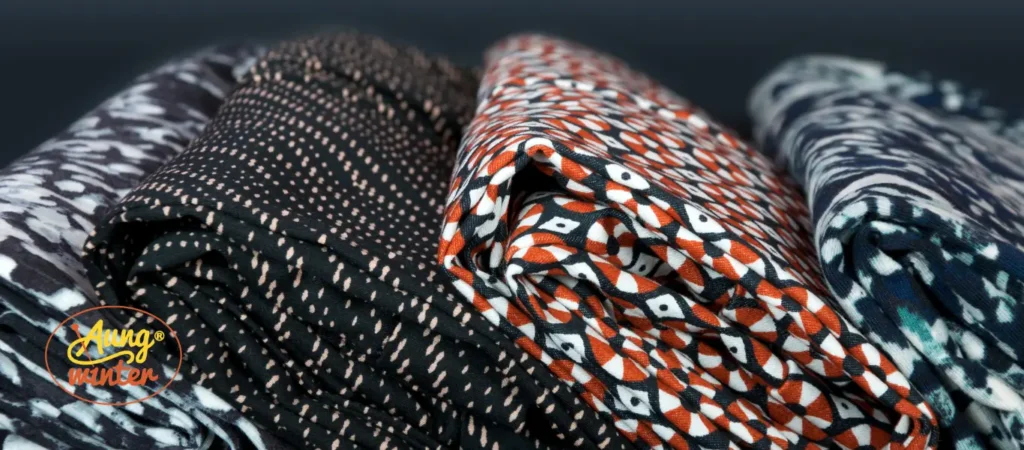
Lana: il cavallo di battaglia dei copricapi invernali. Ottimo isolamento ed eccellente traspirabilità ti tengono al caldo anche dopo ore di utilizzo. Classifica del calore: Lana > Acrilico > Misti. Si prega di controllare l'etichetta di composizione. Maggiore è il contenuto di lana, più caldo è il cappello.
| Scenario | Materiale Raccomandato |
| Pendolarismo quotidiano | Misto lana, il giusto compromesso tra calore e convenienza. |
| Freddo estremo/all'aperto | Fodera in pile o cappelli in stile shearling. |
| Qualità eccellente | Lana o cashmere ad alta percentuale. |
| Pelle sensibile | Attieniti a fibre naturali; evita fibre sintetiche pure. |
Un consiglio di stile veloce
I cappelli grossi e a maglia larga sono più tolleranti e facili da modellare rispetto ai cappelli a maglia fine. Se hai un viso più arrotondato o una circonferenza cranica maggiore, un berretto a maglia grossa sarà molto più lusinghiero e comodo di uno a maglia fine.

Nell'industria della moda, lo stesso cappello può apparire completamente diverso a seconda del contesto. Pertanto, scegliere un cappello non riguarda solo il suo aspetto, ma come si adatta al momento.
Hagli stili: Cappellini da baseball con visiera curva, cappelli a secchiello semplici tinta unita.
Colores: Nero, bianco, blu navy, beige, tutti sono puliti, minimalisti e si adattano a qualsiasi guardaroba da pendolare.
Personalizzato suggerimenti: In questa scena, i cappelli invernali personalizzati offrono una sottile ma raffinata opportunità di branding. Un logo aziendale o un identificativo personale può essere ricamato con gusto sul lato o sul retro, in modo discreto ma inconfondibilmente vostro.
Hagli stili: Berretti di lana e cappelli a tesa larga in feltro di lana.
Palette di colori: Borgogna, cammello, verde foresta, crema, vintage, raffinato e disinvoltamente parigino.
Il berretto è uno degli stili più popolari nel settore dello stile personalizzato. Indossalo inclinato per ammorbidire la fronte; indossalo calato per un look più avvolgente che incornici il viso. È incredibilmente lusinghiero per quasi tutte le forme del viso.
Migliori stili di cappello: Berretti da edicolante, cappelli da pittore, cappelli a cloche.
Palette di colori: Cachi, avena, grigio chiaro, semplici quadri delicati, calmanti e silenziosamente artistici.
Il cappello da edicolante ha un fascino naturale vintage e intellettuale. La visiera e i pannelli laterali offrono uno spazio ideale per i dettagli del marchio; perfetto per etichette e individui che cercano di evocare un'atmosfera retrò e colta.
Migliori stili di cappello: Cappellini da baseball a tesa piatta, berretti lisci, cappellini con logo ricamato.
Palette di colori: Nero pieno, contrasto bianco e nero, accenti neon, loghi personali audaci.
Questa è una delle categorie di personalizzazione più richieste. Inoltre, i giovani consumatori non si limitano ad acquistare un cappello, ma acquistano una dichiarazione indossabile. Non si tratta solo di stare al caldo, ma di esprimere un atteggiamento.

Scegli il colore giusto e un cappello non solo valorizza il tuo viso, ma può effettivamente far risplendere la tua pelle.
| Tonalità della pelle | Migliori Tonalità | Perché |
| Caldo/yGiallo tono della pelle | Cammello, cachi, bordeaux, caramello | Illumina l'incarnato e aggiunge calore |
| Fresco/giusto tono della pelle | Nero, blu navy, grigio, toni tenui e desaturati | Crea un contrasto netto e raffinato che risalta |
Tesa scura + corona chiara, questo contrasto fa apparire il tuo viso più piccolo rispetto alla corona più chiara, mentre la tesa più scura restringe visivamente la larghezza del tuo viso. È una combinazione di colori quasi infallibile per la maggior parte delle forme del viso e una delle scelte più sicure ed efficaci quando si personalizza.
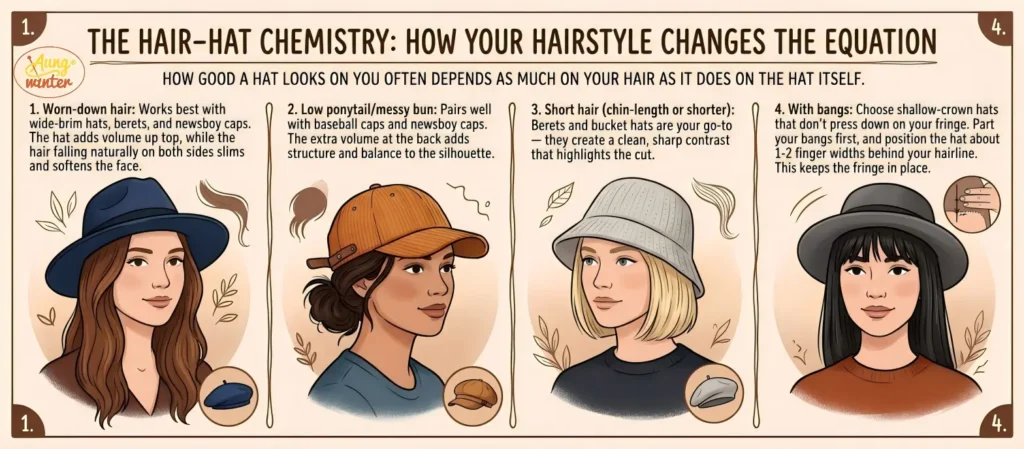
Quanto bene ti sta un cappello dipende spesso tanto dai tuoi capelli quanto dal cappello stesso.
Creiamo cappelli ogni giorno, quindi sappiamo esattamente dove lo shopping online di cappelli può andare storto. Ecco i nostri consigli pratici e senza fronzoli per i consumatori:
1. Controllare sempre i dati della circonferenza cranica.
Molti marchi hanno sistemi di taglie incoerenti. Si prega di consultare sempre la gamma effettiva della circonferenza della testa nella descrizione del prodotto e di abbinarla alla propria misurazione. Se si ha una circonferenza della testa maggiore, evitare gli stili a taglia fissa che non offrono regolabilità; risulteranno stretti e scomodi.
2. Prestare attenzione alla profondità della corona.
Quando la profondità della corona è inferiore a 12 cm/4,72 pollici, si tratta di un cappello a corona bassa; oltre i 14 cm/5,51 pollici è uno stile a corona profonda. Se la pagina del prodotto non indica la profondità della corona, contatta il venditore e chiedi. Non dare per scontato.
3. La larghezza del tesa determina l'effetto snellente.
Se desideri un cappello che faccia sembrare il tuo viso più piccolo, la larghezza della tesa dovrebbe estendersi di almeno 1-2 cm oltre gli zigomi. Questa è una guida misurabile e oggettiva, molto più affidabile delle vaghe affermazioni “snellenti” nelle descrizioni dei prodotti.
4. Guarda le foto dei clienti reali.
I modelli di solito hanno teste piccole e proporzioni facciali standard – le loro foto sono quasi inutili per valutare come ti starà un cappello. Piuttosto, ti prego di dare un'occhiata alle recensioni dei clienti e cercare foto di acquirenti che condividono una forma del viso e una dimensione della testa simili. Questo ti darà un'idea molto più realistica della vestibilità, della forma e dell'effetto generale.
5. L'usanza è la soluzione definitiva.
Se hai provato tutto quanto sopra e ancora non riesci a trovare un cappello che vada bene, su misura potrebbe essere la tua migliore opzione. Come produttori su misura, possiamo costruire un cappello da zero in base alla circonferenza della tua testa, alla forma del viso, ai colori preferiti e all'uso previsto. Niente ansia da taglia. Nessun divario tra “ciò che vedi” e “ciò che ottieni”. Ogni pezzo è veramente unico.
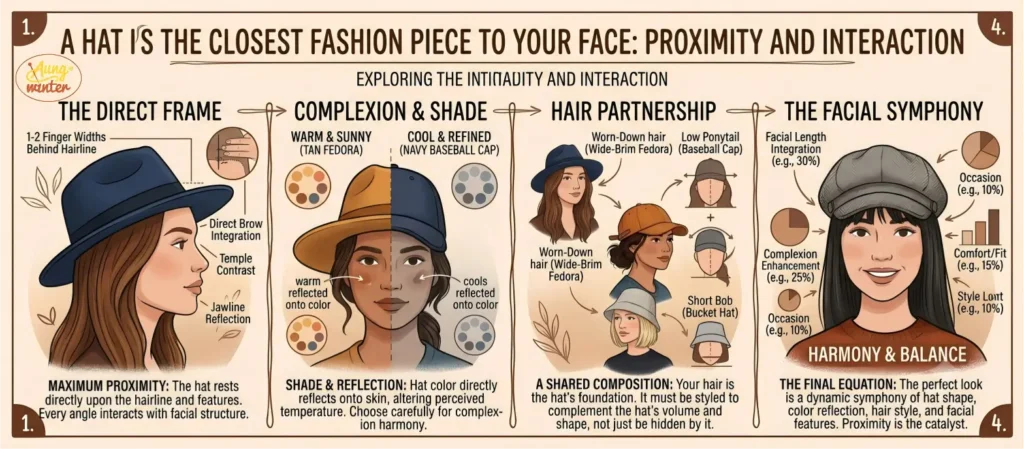
È stato detto che un cappello è l'accessorio di moda più vicino al viso. E questo è un bel modo di vederla, perché un cappello non riguarda solo l'aspetto. Riguarda il comfort. E, in definitiva, riguarda la sicurezza.
Scegli il cappello giusto, e un viso dall'aspetto più piccolo non è un sogno; è una realtà.
In qualità di produttori di cappelli invernali personalizzati, la nostra missione è semplice: aiutare ogni persona a trovare il cappello perfetto, quello con la circonferenza della testa giusta, la forma del viso giusta, lo stile giusto e il colore giusto.
Speriamo che questo articolo ti possa salvare da tentativi ed errori e ti aiuti a entrare nel prossimo inverno indossando un cappello che ti stia davvero bene.
In qualità di produttore personalizzato professionale di cappelli e abbigliamento invernale con oltre due decenni di esperienza nei cappelli invernali personalizzati dal 1998, siamo qui per guidarvi in ogni singolo passaggio.
Dalla misurazione precisa della testa alla selezione dei tessuti, dal disegno a mano libera all'esecuzione del ricamo, offriamo un supporto individuale dall'inizio alla fine.
Che tu sia:
Trasformiamo le tue idee in realtà con prezzi diretti di fabbrica e una qualità costruita per durare.
DM o eposta stati Uniti con la vostra circonferenza cranica, la forma del viso e lo stile preferito, e vi invieremo una proposta di styling personalizzata gratuita, che include raccomandazioni sui materiali e una bozza dello stile.
Non accontentarti di un “abbastanza buono” quest'inverno, e un cappello che ti calzi davvero è a portata di una conversazione. Clicca su contatti in alto per iniziare il tuo percorso personalizzato.
Il tuo cappello invernale perfetto ti aspetta. Trasformiamolo in un vero e proprio pezzo unico.
Risposta: Assolutamente. La combinazione di un viso rotondo e una circonferenza cranica più grande è uno dei profili di vestibilità più difficili da adattare, ma è proprio qui che la cappelleria su misura eccelle. Personalizzeremo la circonferenza del cappello alla tua esatta misura (59 cm/23,23 pollici) e, in base alla forma del tuo viso rotondo, ti consiglieremo stili con falde angolari, come cappellini da baseball con falda curva o cappellini newsboy strutturati, utilizzando le linee pulite della falda per contrastare la rotondità del tuo viso. Per il materiale, ti consigliamo maglie grosse, che sono più accomodanti e adatte alla forma della testa rispetto alle maglie fini. Per la profondità della corona, suggeriamo una profondità media di 12-14 cm/4,72-5,51 pollici, abbastanza profonda da rimanere saldamente sulla testa senza stare troppo in alto e far apparire il viso più largo. Con un cappello su misura, ogni dettaglio - circonferenza, profondità della corona e larghezza della falda - è costruito attorno alle tue misure uniche.
Risposta: Ci sono tre misurazioni chiave da controllare:
E un altro consiglio: non fidarti delle foto delle modelle. Le modelle hanno solitamente teste piccole e proporzioni facciali standardizzate: le loro foto sono quasi inutili per giudicare come un cappello ti starà effettivamente. Controlla sempre le foto dei clienti, di acquirenti con una forma del viso e una dimensione della testa simili alle tue.
Risposta: In qualità di produttore su misura, noi (Aungwinter) solitamente chiediamo ai nostri clienti di fornire quanto segue:
① Circonferenza della testa (misurata attorno alla testa, circa 1 cm sopra le sopracciglia, passando per il punto più sporgente della nuca)
② Forma del viso (rotondo, quadrato, lungo, a cuore, a diamante o ovale)
③ Stile di cappello preferito (cappellini, berretti da baseball, baschi, coppole, cappelli a secchiello, ecc.)
④ Scopo d'uso (pendolarismo quotidiano, sport all'aperto, regali, ecc.)
⑤ Preferenze di colore e materiali
⑥ Realizzazione di loghi (ricamo, stampa, trasferimento a caldo, stampaggio, ecc.)
Ecco il processo in ordine:
Passaggio 1: Richiesta e raccolta dei requisiti
Fase 2: Proposta di progettazione e conferma
Passaggio 3: Realizzazione e approvazione del campione
Passaggio 4: Produzione di massa
Passaggio 5: Ispezione qualità e spedizione
In generale, i tempi di consegna vanno dai 7 ai 21 giorni lavorativi, a seconda della complessità del design e del volume dell'ordine. La personalizzazione richiede un po’ più di tempo rispetto all’acquisto autonomo online o in negozio, ma in cambio otterrai un cappello che ti appartiene al 100%, con una vestibilità perfetta e uno stile unico, realizzato appositamente per te.