Welcome To Contact Us
Response Within 24 hours Guaranteed | Low MOQ from 50 pcs
🔒 100% Privacy Protected. No Spam Guaranteed.


After several months, winter is ready to come, then hats will quickly become a wardrobe essential. However, have you ever had this experience it looks great on the model, but when you try it on yourself, it makes your face look rounder, makes you look shorter, feels too tight around the head, or simply blows off at the first gust of wind?
As a manufacturer with 28+ years of experience in custom winter hats since 1998, we (Aungwinter) interact with thousands of consumers every day and have seen plenty of “wrong hat” purchases. The truth is that selecting a right hat can be as complicated or as simple as you make it. Once you understand the five key dimensions face shape, head circumference, material, use case, and color – anyone can find that one winter hat that makes their face look instantly slimmer.
Today, we, Aungwinter, are breaking down the science behind how to choose a perfect winter hat straight from the factory floor.
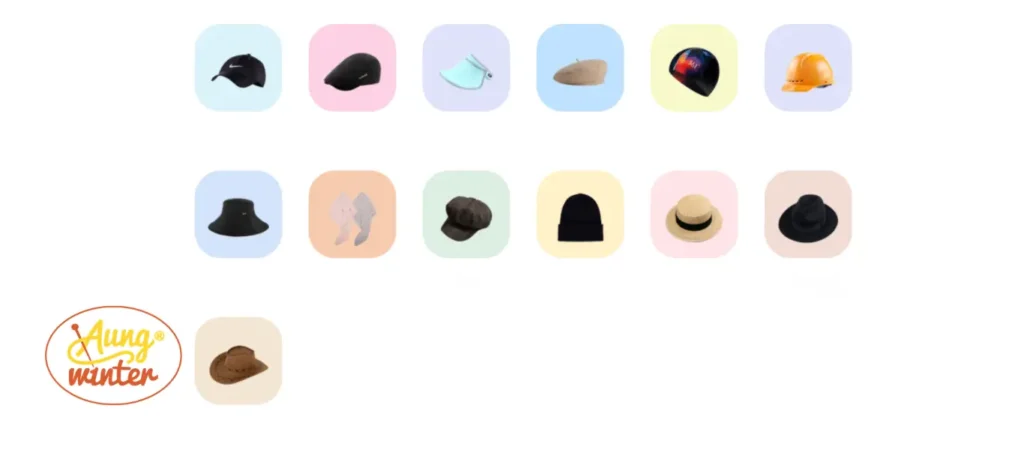
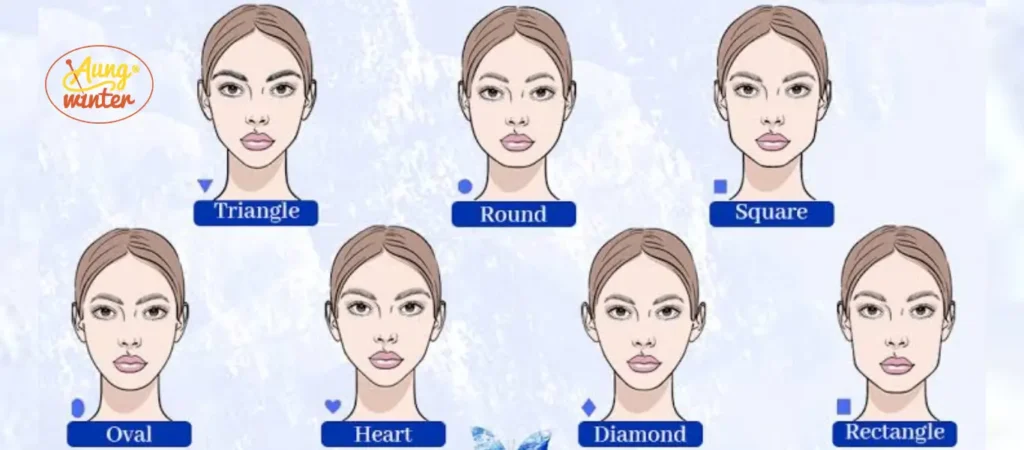
The golden rule of selecting a is that a hat isn’t meant to hide your face it’s meant to rebalance it. The logic is actually quite simple – round faces benefit from angular lines to break the roundness, square faces benefit from curved silhouettes to soften the jaw, and long faces benefit from a brim that visually shortens the face.
Characteristics: Plump, rounded cheeks, with a close 1:1 proportion between facial length and width.
Avoid hats: Dome‑shaped hats that hug the scalp, such as sailor caps or flat, unstructured berets which follow the roundness of your face and make it appear even wider.
Suitable hat styles: Baseball caps (the angular brim cuts through the roundness), Panama hats, and berets (wear them tilted to break symmetry).
Custom recommendation: If you have a round face, prioritize curved‑brim baseball caps or structured newsboy caps for your winter hat custom order. The sharper the brim, the better the slimming effect.
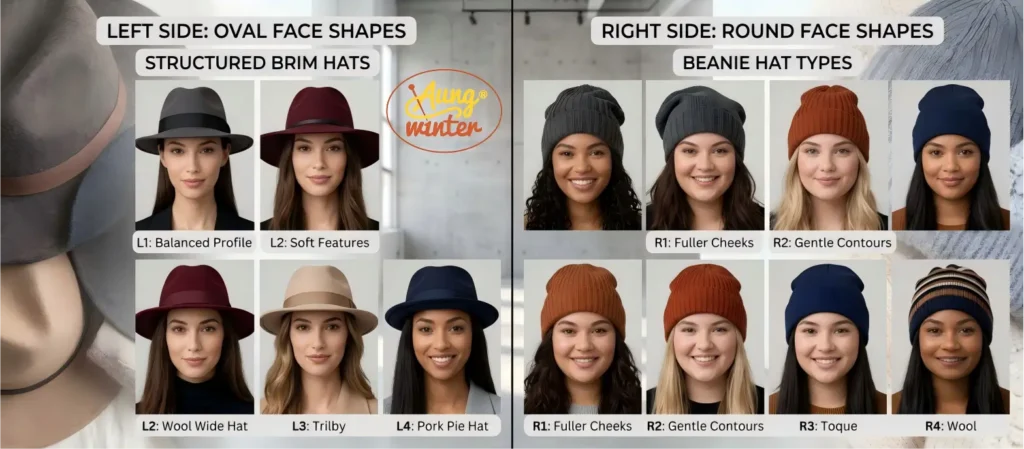
Characteristics: Balanced proportions, smooth facial lines.
What to wear: Almost any hat style works there’s no real no‑go zone, which means that we still encourage oval‑face wearers to experiment with different styles during customization. Indeed, there’s a significant difference between “it looks fine” and “it looks outstanding.”
Characteristics: Strong, defined jawline.
What to avoid: Flat‑top, stiff hats – they only emphasize the angularity you already have, making you look even more “boxy.”
Best hat styles: Soft‑top bucket hats (the rounded crown softens the jawline), cloche hats, and berets.
Custom recommendation: For square‑face wearers, opt for round‑crown wool felt hats or soft wool berets. Chooses of fabric that are soft and have good drape avoid stiff, structured hats.
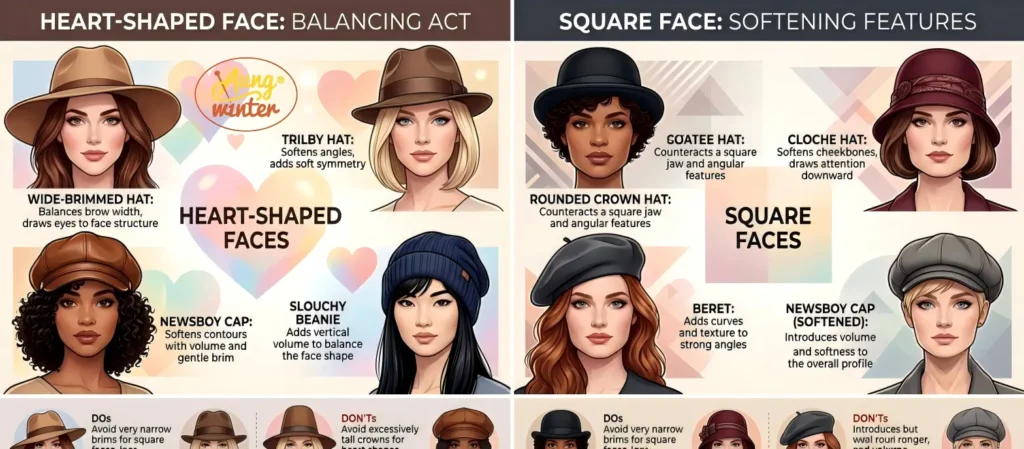
Characteristics: Wide forehead, pointed chin.
Best hat styles: Flat caps, medium‑brim bucket hats, and wide‑brim hats. Avoid styles with overly narrow or shallow brims.
Characteristics: Distance from forehead to chin is noticeably longer than average.
What to avoid: Tall crowns and high‑top styles – they make your face look even longer.
Best hat styles: Bucket hats (wear them pulled down), newsboy caps, and baseball caps.
Custom recommendation: For long faces, wide‑brim, shallow‑crown styles work best, wearing a bucket hat low on your brow to visually shorten the face. When customizing, look for shallow‑crown hats with a crown depth under 12 cm/4.72 inches.
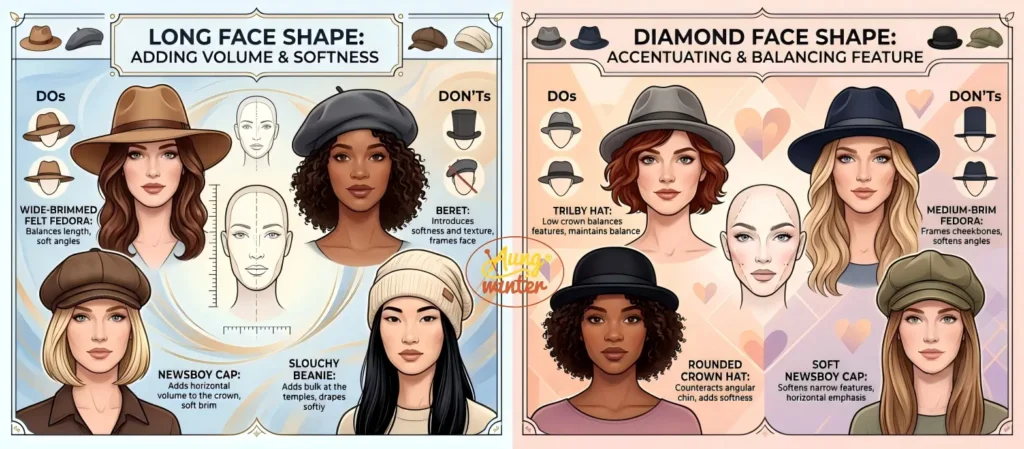
Characteristics: Prominent cheekbones with narrow forehead and chin.
Best hat styles: Berets worn with good coverage over the forehead; and bucket hats with a rounded top.
No matter what your face shape is, there’s one measurable rule for making your face look smaller: the brim of your hat should extend at least 1‑2 cm/0.39-0.79 inches beyond the widest point of your cheekbones. This visual coverage does more to slim the face than any specific hat style. In short, the wider the brim, the smaller the face looks.
| Face Shapes | Characteristics | Recommended Hats | Avoiding Hats |
| Round Face | Plump check with a close 1:1 proportion between facial length and width. | Baseball caps Pamana hats Berets (wear them tilted to break symmetry) | Dome-shaped hats such as sailor caps or flat, unstructured berets |
| Square Face | Strong, defined jawline | Rounded top, soft bucket hats Cloche hats Berets | Flattop, hard hats (can strengthen a strong jawline) |
| Long Face | A pretty long distance from forehead to chin | Bucket hatsNewsboy capsBaseball caps | Tall crowns and high‑top styles, they make your face look even longer |
| Heart–shaped Face | Wide forehead and pointy chin | Flat hats Mid bucket hats Wide-brimmed hats | Too narrow-brimmed or light-crown hats |
| Diamond–shaped Face | Pointy cheeks, narrow chin, and forehead | Berets Rounded-top bucket hats | Hats with too narrow brims |
| Oval Face | Proper facial shape with smooth facial lines | Suitable for almost all types of hats | Almost no |
This is the most overlooked yet most crucial step when buying a hat. Many consumers complain that “one‑size‑fits‑all hats are uncomfortable,” and more often than not, it’s not because they have an unusual head size it’s because they’ve never actually measured their head.
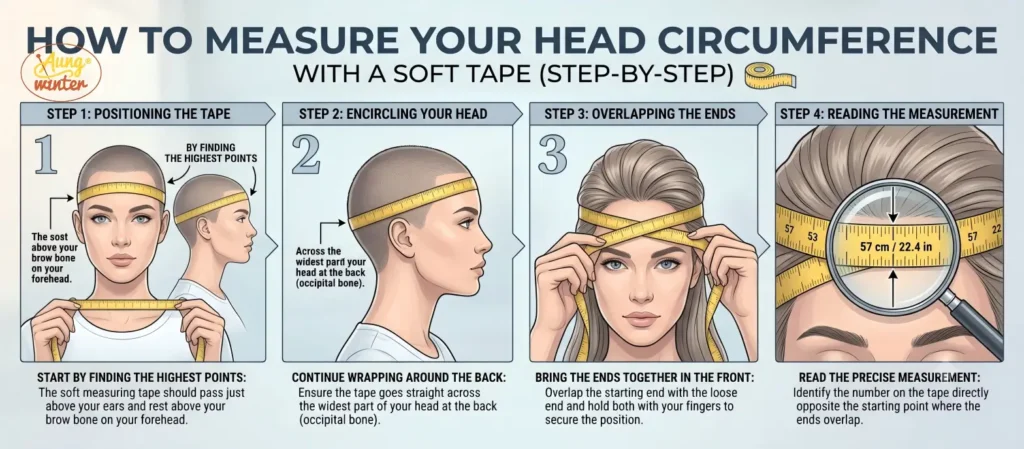
Take a soft tape measure or a piece of string, and wrap it around your head starting about 1 cm/0.39 inches above your eyebrows, passing over the most prominent point at the back of your skull. That measurement is your head circumference.
Here are Three Key Points to Keep in Mind:
| Head Size | Suitable Hat Sizes | Selecting Tips |
| Standard Head Circumference 56-58 cm/22.05-22.83 inches | One-size hats on the market, chosen by personal favor | Pay attention to the depth of the crown |
| Large Head Circumference Over 58 cm/22.83 inches | Wide bucket hats Adjustable berets Bouncy beanies | Searching “large-head hat” Choosing adjustable closureCoarse-knitted beanies |
| Small Head Circumference Less than 54cm/21.26 inches | Berets Newsboys caps Large-size kid hats | Searching “small-head hat” Adjusting the closure to the desired tightness Choosing fine-knitted beanies |
As a custom manufacturer, we often hear clients say, “My head circumference isn’t large, but hats always feel tight on me.” The issue often lies in the match between head circumference and crown depth even if the circumference is right, if the crown isn’t deep enough, the hat won’t sit properly, and it will still feel uncomfortable.
When placing a custom order, we recommend that clients provide both head circumference and the measurement from the top of the ear to the crown of the head. That extra detail is what makes the difference between a hat that fits and a hat that truly fits.
In winter, the material of hat determines everything like warmth, comfort, durability, and even how well it holds its shape. It all comes down to what the hat is composed of.
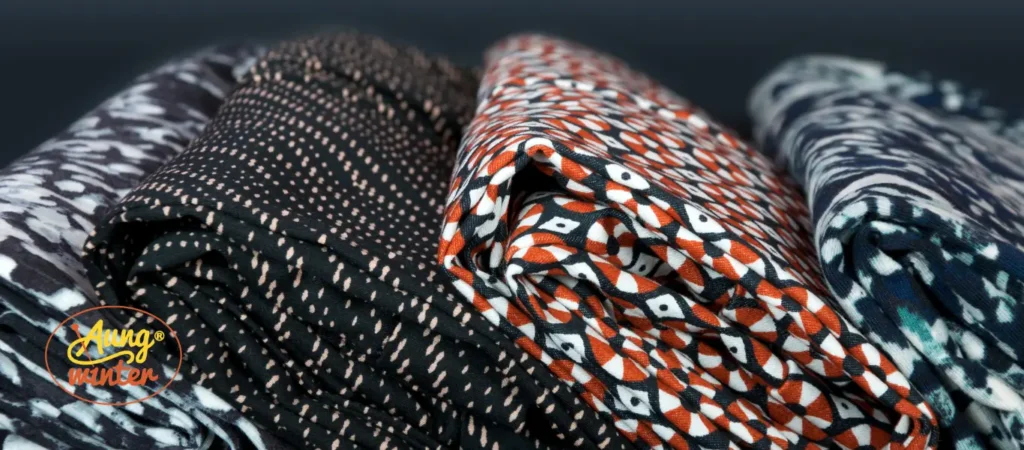
Wool: The workhorse of winter headwear. Great insulation and excellent breathability keep you comfortable even after hours of wear. Warmth ranking: Wool > Acrylic > Blends. Please check the composition label. The higher the wool content, the warmer the hat.
| Scenario | Recommended Material |
| Daily commuting | Wool blend the sweet spot between warmth and cost-effectiveness. |
| Extreme cold/outdoor | Fleece lining or shearling-style hats. |
| Premium quality | High-percentage wool or cashmere. |
| Sensitive skin | Stick to natural fibers; avoid pure synthetics. |
A Quick Styling Tip
Chunky and coarse-knitted hats are more forgiving and shape‑friendly than fine‑knitted hats. If you have a rounder face or a larger head circumference, a chunky‑knitted beanie will be much more flattering and comfortable than a fine‑knitted one.

In the fashion industry, a same hat can look completely different depending on the setting. Therefore, selecting a hat isn’t just about how it looks it’s about how it fits the moment.
Hat styles: Curved‑brimmed baseball caps, simple solid‑colored bucket hats.
Colors: Black, white, navy, beige, all of them are clean, minimalist, and works with any commute wardrobe.
Custom suggestions: In this scene, custom winter hats offer a subtle yet polished branding chance. A company logo or personal identifier can be tastefully embroidered on the side or back understated, but unmistakably yours.
Hat styles: Wool berets and wide‑brimmed wool felt hats.
Color palette: Burgundy, camel, forest green, cream, vintage, refined, and effortlessly Parisian.
The beret is one of the most popular styles in the custom space. Wear it tilted to soften the forehead; wear it pulled low for a more enveloping, face‑framing look. It’s remarkably flattering across nearly all face shapes.
Best hat styles: Newsboy caps, painter hats, cloche hats.
Color palette: Khaki, oatmeal, light gray, simple plaids gentle, calming, and quietly artistic.
The newsboy cap carries a natural vintage, bookish charm. The brim and side panels offer ideal real estate for brand detailing; perfect for labels and individuals looking to channel a retro, cultured vibe.
Best hat styles: Flat‑brim baseball caps, solid beanies, embroidered logo caps.
Color palette: Solid black, black‑and‑white contrast, neon accents, bold personal logos.
This is one of the highest‑demand customization categories. In addition, young consumers are not only just buying a hat , but they’re buying a wearable statement. It’s not only about keeping warm, but it’s about expressing an attitude.

Choose the right color, and a hat doesn’t just flatter your face it can actually make your skin glow.
| Skin Tone | Best Hues | Why |
| Warm/yellow skin tone | Camel, khaki, burgundy, caramel | Lifts the complexion and adds warmth |
| Cool/fair skin tone | Black, navy, gray, muted desaturated tones | Creates a crisp, refined contrast that stands out |
Dark brim + light crown, this contrast makes your face appear smaller against the lighter crown, while the darker brim visually narrows the width of your face. It’s a nearly foolproof color combination for most face shapes and one of the safest, most effective choices when going custom.
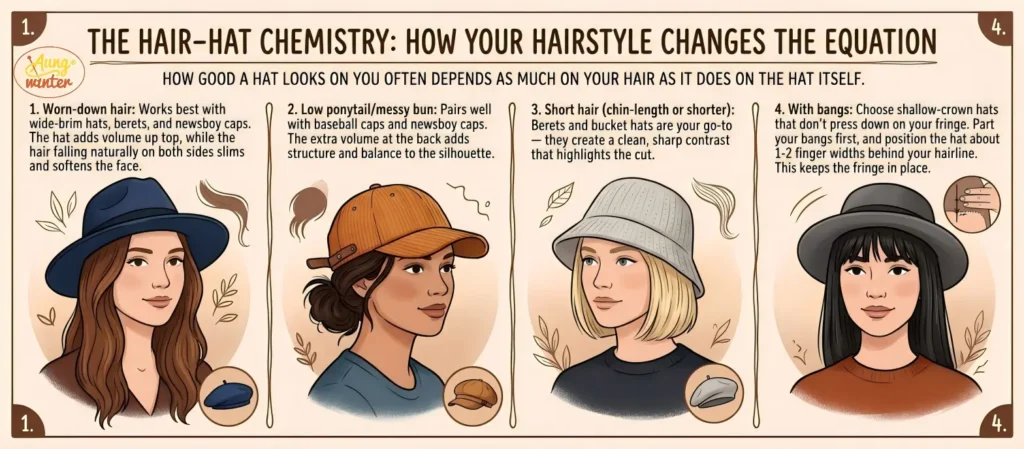
How good a hat looks on you often depends as much on your hair as it does on the hat itself.
We make hats every day, so we know exactly where online hat shopping can go wrong. Here are our hard‑earned, no‑nonsense tips for consumers:
1. Always check the head circumference data.
Many brands have inconsistent sizing systems. Please always look up the actual head circumference range in the product description and match it to your own measurement. If you have a larger head size, avoid fixed‑size styles that don’t offer adjustability; they’ll feel tight and uncomfortable.
2. Pay attention to crown depth.
When the crown depth is under 12 cm/4.72 inches, it’s a shallow‑crown hat; over 14 cm/5.51 inches is a deep‑crown style. If the product page doesn’t list crown depth, message the seller and ask. Don’t assume.
3. Brim width determines the slimming effect.
If you want a hat that makes your face look smaller, the brim width should extend at least 1‑2 cm/0.39 0.79 inches beyond your cheekbones. This is a measurable, objective guide, which is much more reliable than vague “slimming” claims in product descriptions.
4. Look at real customer photos.
Models usually have small heads and standard facial proportions – their photos are almost useless for gauging how a hat will look on you. Rather, please have a look at the customer reviews and look for photos from buyers who share a similar face shape and head size. That will give you a much more realistic idea of the fit, shape, and whole effect.
5. Custom is the ultimate solution.
If you’ve tried everything above and still can’t find a hat that works, custom might be your best bet. As a custom manufacturer, we can build a hat from the ground up based on your head circumference, face shape, preferred colors, and intended use. No sizing anxiety. No gap between “what you see” and “what you get.” Every piece is truly one of a kind.
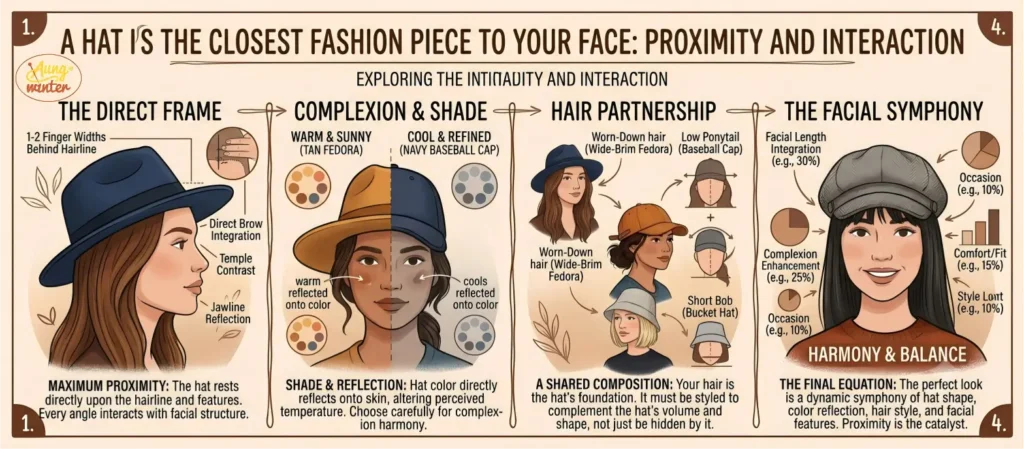
It’s been said that a hat is the fashion item closest to your face. And that’s a beautiful way to put it on because a hat isn’t just about looks. It’s about comfort. And ultimately, it’s about confidence.
Choose the right hat, and a smaller‑looking face is not a dream; it’s a reality.
As a custom winter hat manufacturer, our mission is simple: to help every person find that just‑right hat – the one where the head circumference is just right, the face shape is just right, the style is just right, and the color is just right.
We hope this article can save you from trial and error and help you walk into the coming winter wearing a hat that truly fits.
As a professional custom manufacturer of winter hats and apparel with over double decades of experience in custom winter hats since 1998, we’re here to walk you through every single step.
From precise head measurement and fabric selection to hand‑sketched design and embroidery execution, we provide one‑on‑one support from start to finish.
Whether you’re:
We can turn your ideas into reality with factory‑direct pricing and quality that’s built to last.
DM or email us with your head circumference, face shape, and preferred style, and we’ll send you a free custom styling proposal, including material recommendations and a style mock‑up.
Don’t settle for “good enough” this winter, and a hat that truly fits you is just one conversation away. Click the contact at the top to begin your custom journey.
Your perfect winter hat is waiting. Let’s make it into a real piece.
Answer: Absolutely. The combination of a round face and a larger head circumference is one of the hardest fit profiles to shop for – but that’s precisely where custom hat making shines. We’ll tailor the hat’s circumference to your exact measurement (59 cm/23.23 inches) and, based on your round face shape, recommend styles with angular brims, such as curved‑brim baseball caps or structured newsboy caps – using the brim’s clean lines to counteract the roundness of your face. For material, we recommend chunky knits, which are more forgiving and head‑shape‑friendly than fine knits. For crown depth, we suggest a medium depth of 12-14 cm/4.72-5.51inches – deep enough to stay securely on your head without sitting too high and making your face look wider. With a custom hat, every detail – circumference, crown depth, and brim width – is built around your unique measurements.
Answer: There are three key measurements to check:
And one more tip: don’t rely on model photos. Models typically have small heads and standardized facial proportions – their photos are almost useless for judging how a hat will actually look on you. Always check customer photos from buyers with a face shape and head size similar to yours.
Answer: As a custom manufacturer, we (Aungwinter) typically ask our clients to provide the following:
① Head circumference (measured around the head, about 1 cm/0.39 inches above the eyebrows, passing over the most prominent point at the back)
② Face shape (round, square, long, heart, diamond, or oval)
③ Favored hat style (beanies, baseball caps, berets, newsboy caps, bucket hats, etc.)
④ Purpose of use (daily commuting, outdoor sports, gifting, etc.)
⑤ Color and material preferences
⑥ Logo crafts (embroidery, printing, heat transferring, stamping, etc.)
Here is the process in order:
Step 1: Inquiry & requirement gathering
Step 2: Design proposal & confirmation
Step 3: Sample making & approval
Step 4: Bulk production
Step 5: Quality inspection & shipping
In general, the turnover time is 7 to 21 business days, depending on design complexity and order volume. Customization does take a bit more time than buying by yourself online or in stores, but in return, you get a hat that 100% belongs to you with a perfect fit and unique style, which is made just for you.