Welcome To Contact Us
Response Within 24 hours Guaranteed | Low MOQ from 50 pcs
🔒 100% Privacy Protected. No Spam Guaranteed.

We have already started sample-making for fall/winter products in July.
A hat that sells well goes through many steps: trend research, fabric sourcing, fit adjustments, and sample approval.

For F/W 2026, we are focusing on four categories: European/American-style bucket hats, washed baseball caps, high-quality knit beanies, and functional outdoor hats.
Because there are many details to test and verify:
✔ Hat shape and proportions
✔ Head circumference fit
✔ Fabric stiffness and drape
✔ Trims and linings
✔ Manufacturing feasibility
✔ Cost control
F/W hats use wool, tweed, corduroy, heavy cotton, and knits – these materials behave very differently from spring/summer fabrics.

A good sketch is only the first step. The real question is: does it look and feel right when worn?
Bucket hats are growing fast in the European and US women’s market. According to Google Trends, searches for “bucket hat” peak from September to February each year, with over 65% of searches from women. On TikTok, the #winterbuckethat hashtag saw about 40% more engagement in fall/winter 2025 compared to the previous year.
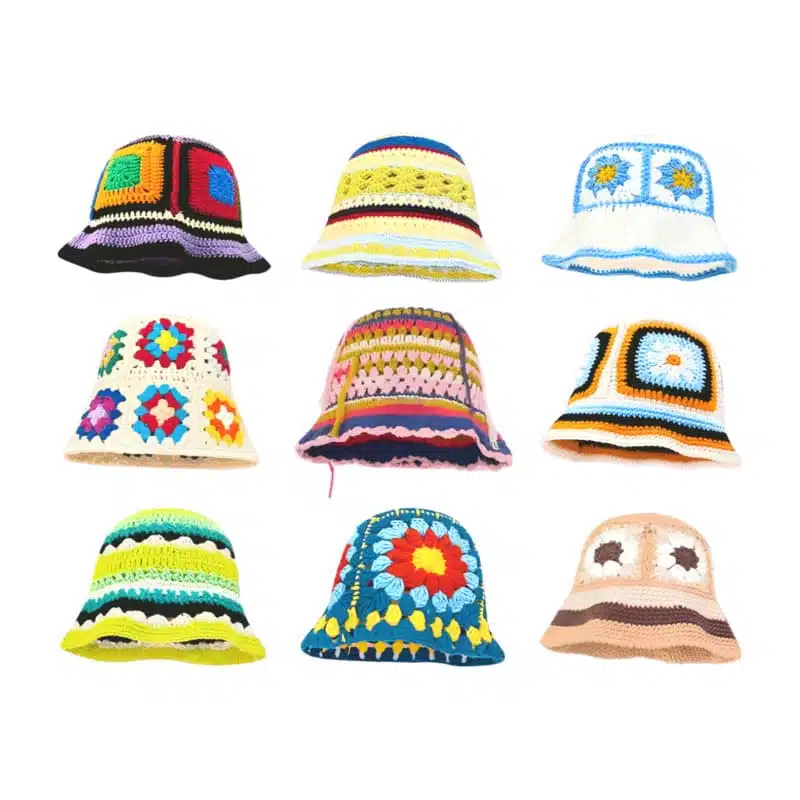
We’re moving the design from basic casual to “elevated everyday” – combining style with practical outdoor function.
Development focus:
✔ Deeper crown for a slouchy, relaxed fit – a popular streetwear look in Europe/US
✔ Standard head sizes for Western consumers, plus an inner adjustable band for a snug fit
✔ Stronger brim structure – slightly curved or flat wide brims to shape the face and add presence
Fabric direction:
Tweed, wool blends, corduroy, plaids. Also add water‑repellent finishes and fleece linings for warmth and weather resistance. Recommended fabric weight: 280–450 gsm – lighter than that loses shape, heavier feels bulky.
This season, we balance “premium feel” with “function” – upgrading fit and using performance materials to offer hats that are both stylish and practical for the European/US market.
Many clients think of beanies first for winter, but vintage‑washed baseball caps remain a solid seller.
The retro‑sporty trend continues through 2026. Pinterest’s 2026 trend forecast shows “vintage preppy” searches up 35% year‑on‑year. Washed, worn‑in caps are now a staple for streetwear, e‑commerce, and lifestyle brands – not a flash in the pan, but a steady commercial foundation.
Best for:
Fabric options:
14/16 count cotton, canvas, twill. For canvas, we recommend pre‑shrinking; for twill, keep grain direction consistent to avoid colour or sheen differences.
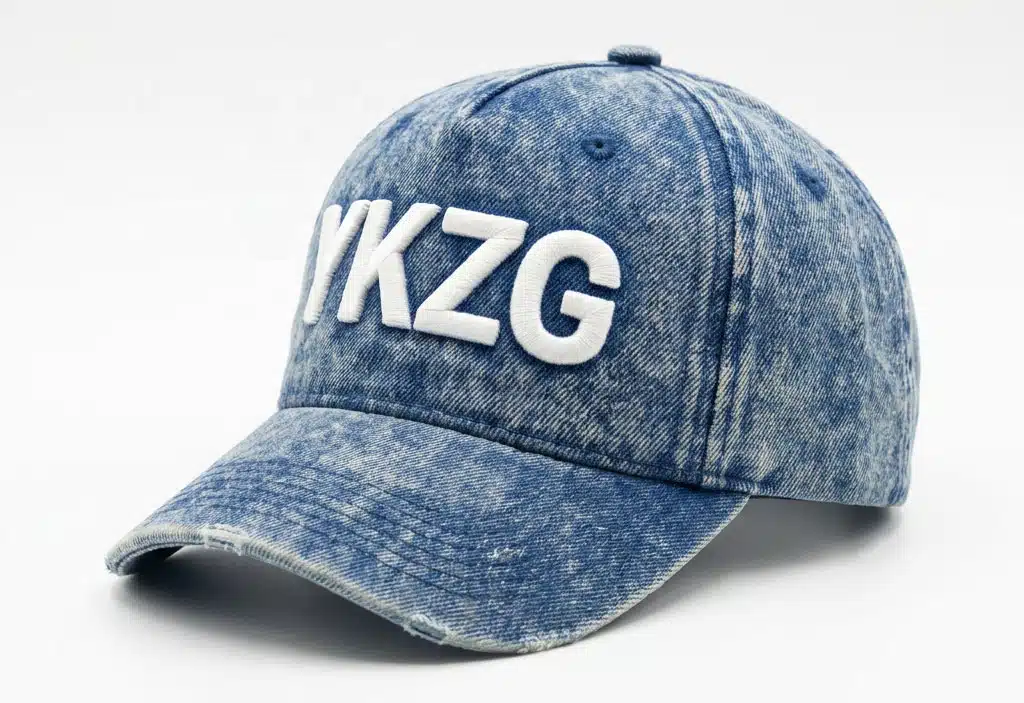
Key washing techniques:
Enzyme wash, stone wash, distressed effects, localised fading.
Different washes affect cap shape differently. Stone wash can soften the crown too much – add a stiff inner lining to keep structure. Enzyme wash may bleach the stitching thread, so we recommend using polyester or dark‑coloured thread to avoid white threads after washing.
Always test wash levels on sample blanks. Compare light vs heavy wash on the same blank cap to check fading and shape retention – then finalise the recipe.
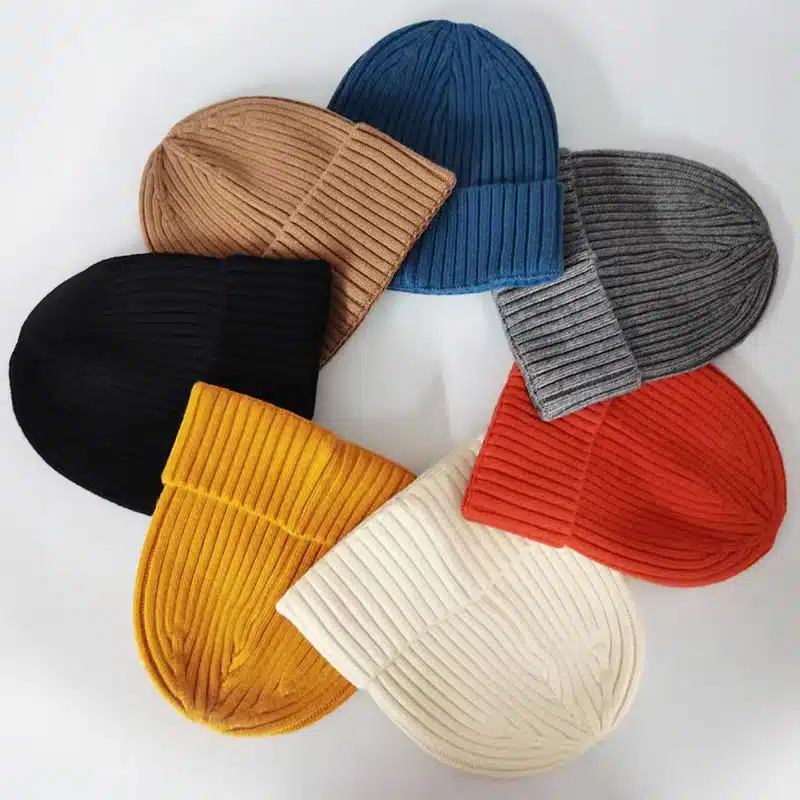
Beanies look simple, but the production details matter enormously.
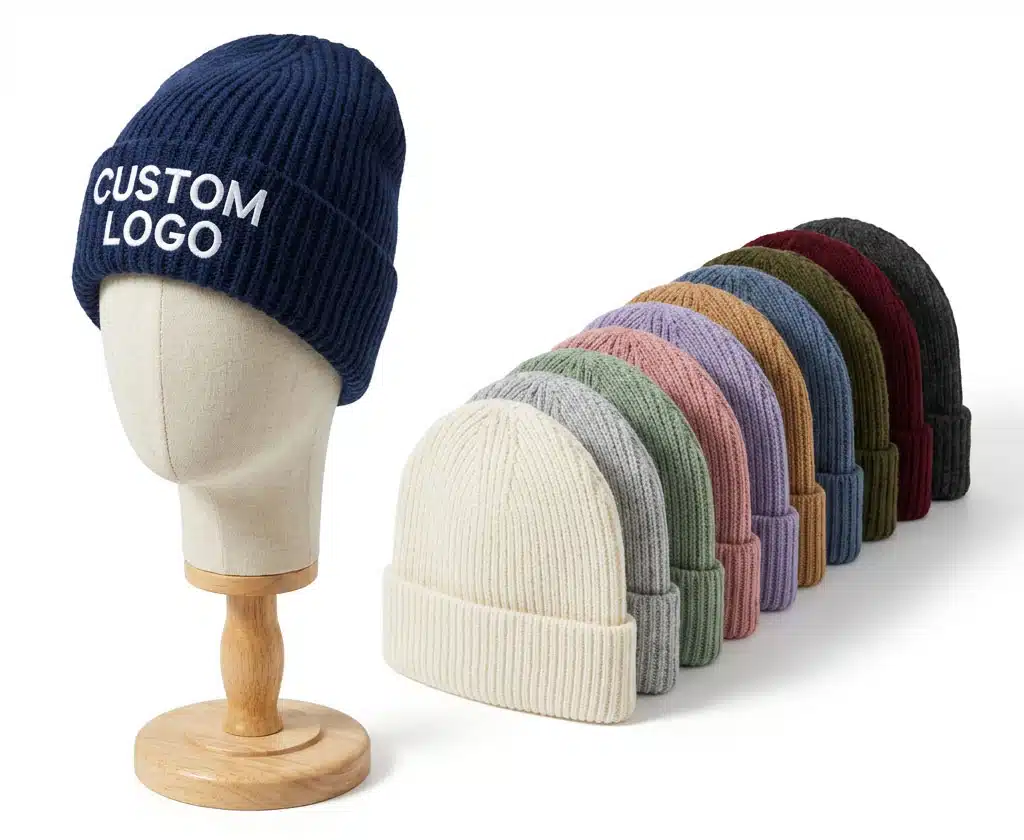
A good beanie and an average one can cost 3–5 times different – and the difference is all in the details.
Critical points to control:
✔ Yarn thickness – even with the same “100% wool” label, different yarn counts give completely different hand feels. In development, order samples with different yarn specs to compare.
✔ Stitch density – tighter stitches give a firmer, warmer hat, but take more time and yarn. A 7‑gauge vs 12‑gauge beanie looks very different – decide on the firmness you need before production.
✔ Elastic recovery – beanies can stretch out over time. Always test: stretch the opening 50 times and measure recovery rate. If it’s below 90%, adjust the rib structure or add elastic yarn.
✔ Dimensional change after washing – wool shrinks easily. Pre‑wash sample hats from the same yarn batch, measure before and after, and adjust the pattern to compensate for shrinkage.
Material suggestions:
100% wool, wool blends, cashmere blends, acrylic blends. Pure acrylic feels cheap – adding just 30% wool doesn’t cost much but significantly improves hand feel and retail price.
Consumers now care about more than just looks – function is a key purchase driver.
Market data shows the global functional headwear market grew about 12% in 2025, with windproof, warmth, and water‑repellency as the top three features consumers look for. Outdoor hats are moving from specialist gear to everyday commuting wear.
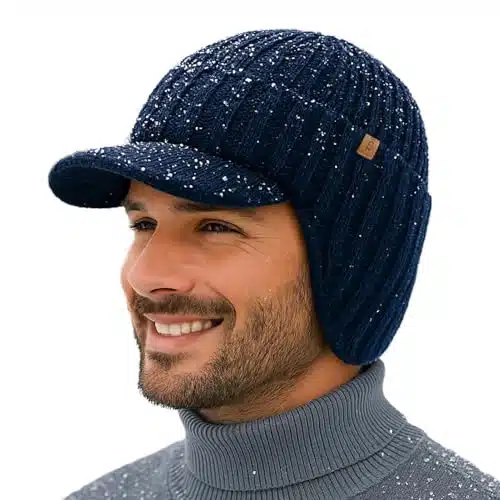
Key function keywords:
Windproof, warm, water‑repellent, lightweight
Recommended styles:
✔ Fleece baseball caps
✔ Windproof tech caps
✔ Outdoor bucket hats
Best for:
Outdoor brands and e‑commerce retailers looking to enter this space early.
Fabric references:
Softshell, fleece, waterproof nylon, polar fleece. Outdoor hats often combine different fabrics – sample‑making needs to confirm needle size for thick‑thin seams (to avoid needle breakage) and whether you need water‑repellent sewing thread.
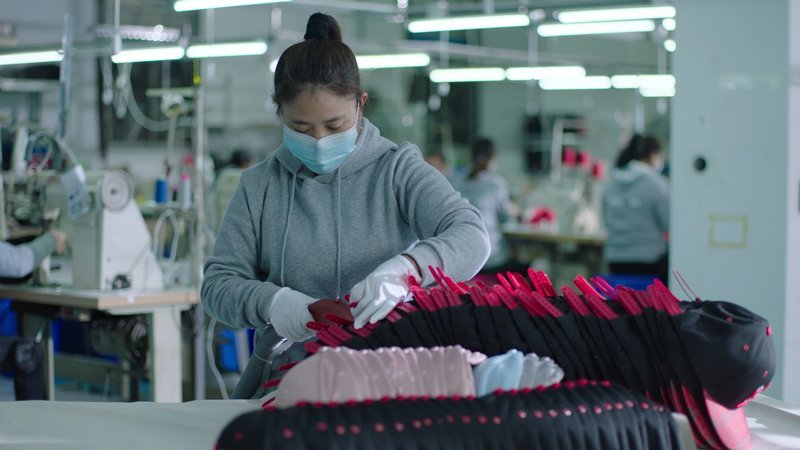
Step 1 – Trend research
Step 2 – Finalise hat shapes
Step 3 – Source matching fabrics
Step 4 – Produce samples
July (now):
✅ Set development direction
✅ Start sampling
✅ Test market feedback
August:
✅ Revise samples
✅ Confirm production version
✅ Complete colour‑fastness and wash tests
September onward:
Enter production and stock‑up phase.
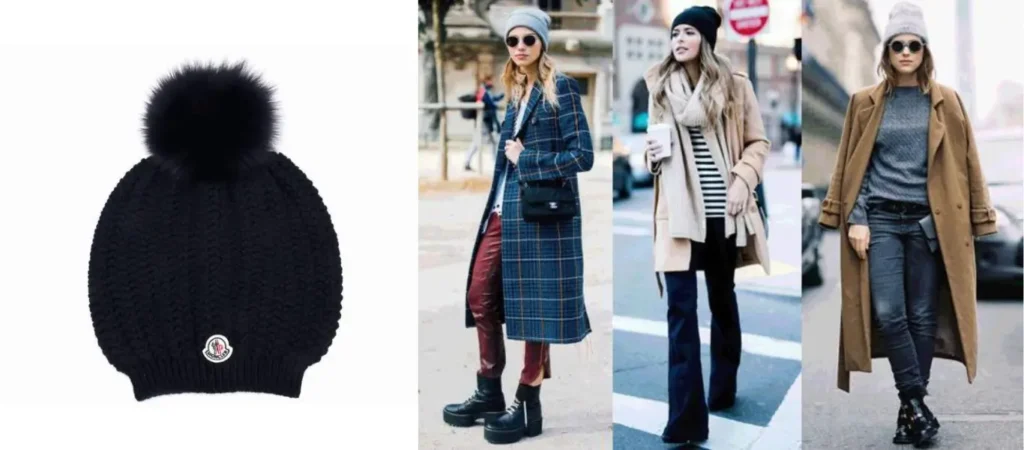
Design trends point the way, but production capability makes it real.
A great winter hat isn’t just beautiful on a sketch – it’s the result of repeated validation in fabric, pattern, and process, until it becomes a product that consumers truly love to wear.