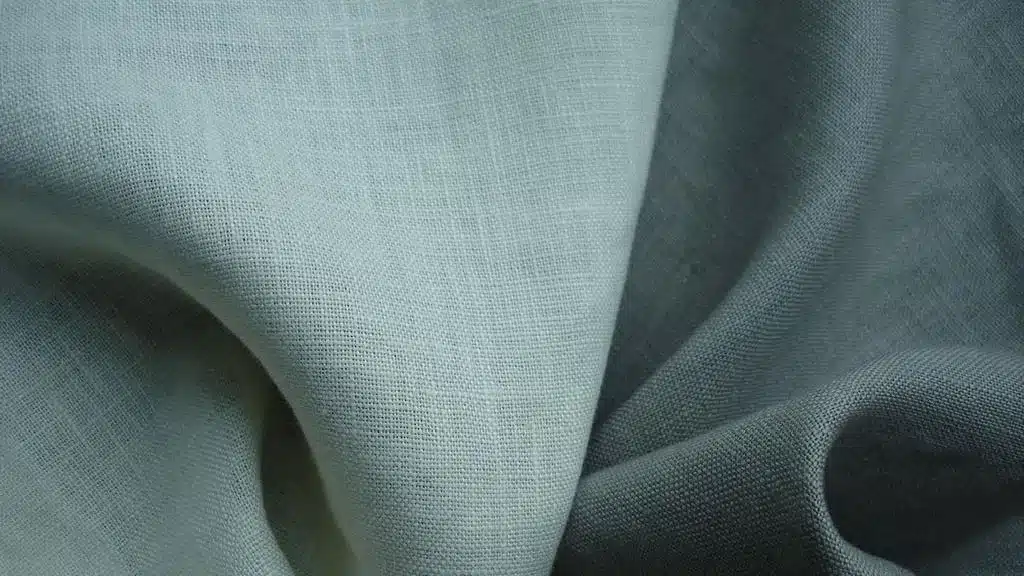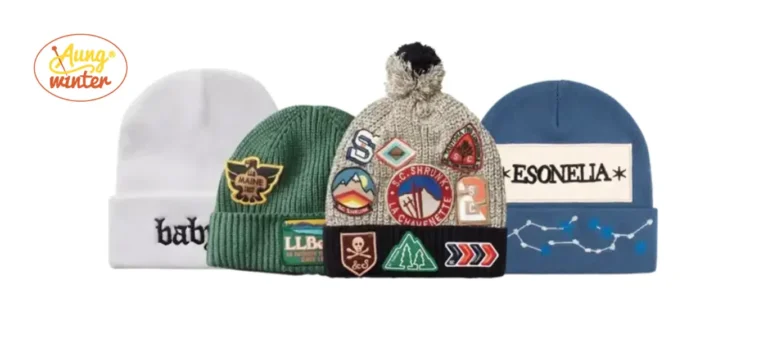
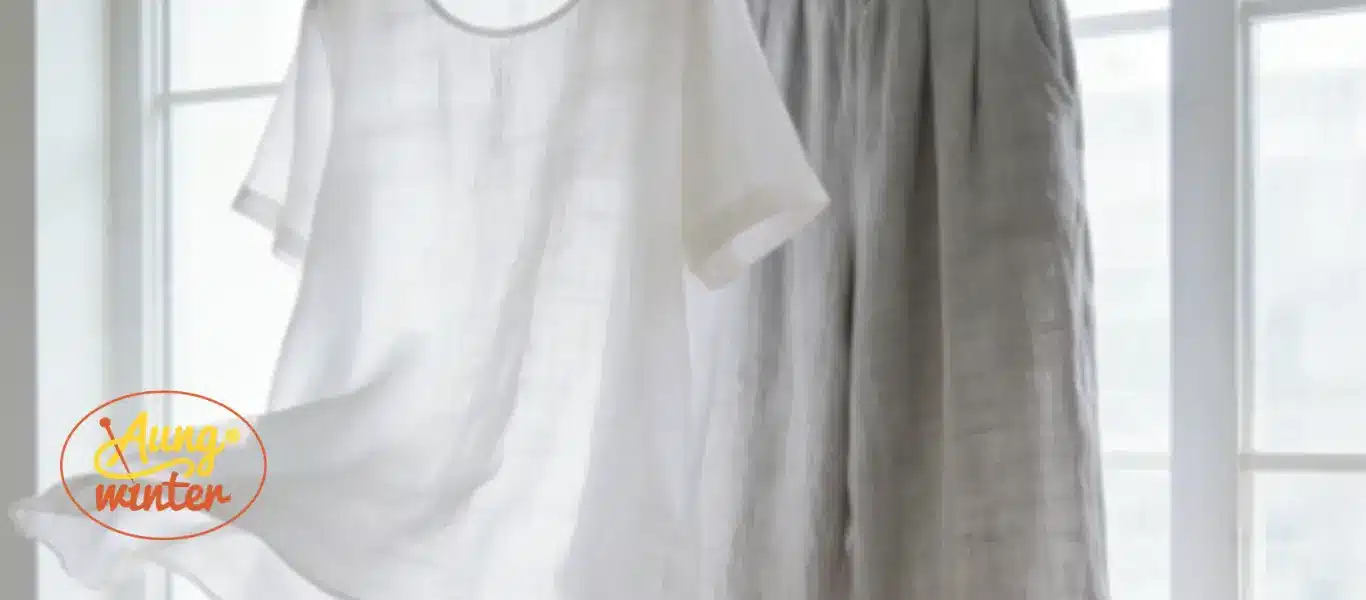

You might find it strange – we, Aungwinter, a custom manufacturer of winter hats and apparel, instead of talking about wool, cashmere, or fur, sit down and seriously discuss whether to wear linen or ramie in summer. Isn’t that a bit too far from what we do?
Exactly the opposite.
After more than a decade making winter hats, our deepest insight is this: people who truly understand fabrics are never confined by “season.”
Think warmth is the most important thing about wearing a hat in winter? Think again. Anyone who’s worn a good hat knows that not stuffy, not prickly, not itchy matters a hundred times more than “warmth.” A hat can be sky-high in wool content – if it prickles against your scalp so badly you want to rip it off after ten minutes, it never even gets a chance to keep you warm. Linen shirts and ramie jackets are the same: you can chase “coolness” all you want, but if they irritate against your skin, turning it red and itchy, no matter how cool they are, you simply can’t stand to wear them.
Ultimately, the relationship between fabric and the body can never be fully explained by functional metrics. Comfort is a long, private conversation between fiber and skin. In that conversation, linen(flax) and ramie speak entirely different languages.
Today, from the perspective of a winter hat manufacturer who deals with scalps day in and day out, we’re going to get to the bottom of these two fabrics.
Linen (Also Called Flax)
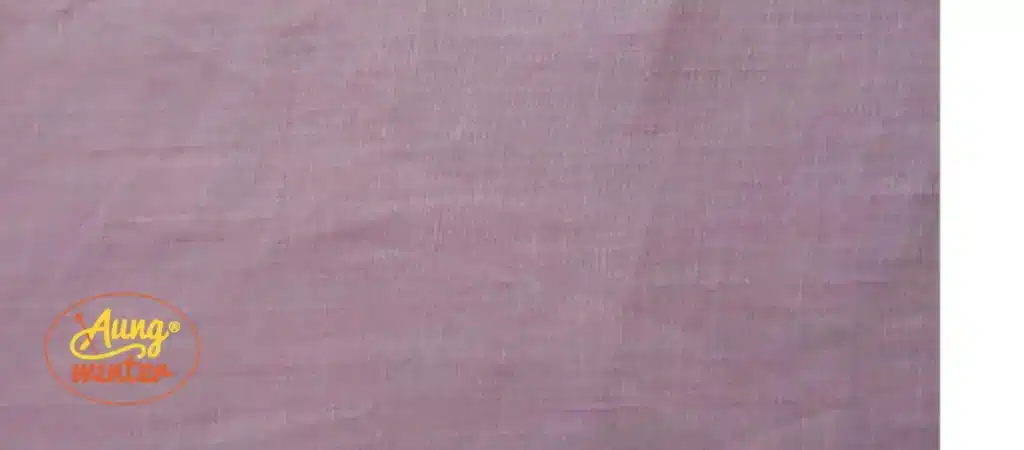
The “Good-Natured” Fiber That Only Gets More Comfortable with Time
Linen, the alternative name flax, is often called the “queen of fibers.” As the queen among all linen fabrics, linen is never loud or sharp-edged; its strength lies in a gentle, enduring warmth. From its fiber structure, linen fibers are short and pliable, roughly 17 to 25 millimeters long, bringing a delicate slub texture right from the loom to the fabric. Furthermore, a fresh linen garment feels only slightly crisp against the skin – never scratchy or prickly. What does that mean? It means that from the very first wear, it’s already looking after your comfort.
What’s even better is that the more we wash linen, the softer it gets. After washing many times, the bards on the surface are smoothed away, natural pectins soften, and the fibers absorb traces of our skin’s oils and perspiration, which makes the touch more tender. Here is the obvious difference between cotton and linen after washing – cotton tires with washing; linen grows more intimate.
Anyone who has made hats knows the worst fear: a hat that’s crisp and perfectly shaped when new, then turns stiff as cardboard after a couple of washes. Linen does the exact opposite – it trades time for softness and earns trust through companionship. Sensitive skin can wear linen shirts, dresses, or nightgowns directly against the skin without any trouble. This isn’t marketing fluff; the fiber’s physical properties dictate it.
For scenario styling, linen drapes with an easy, moderate flow, giving the wearer a relaxed, nonchalant elegance. The wrinkles that appear are soft and sophisticated, never sloppy. It’s a foolproof choice for commuting, everyday life, or vacations – versatile and effortlessly stylish.
Of course, linen isn’t without its flaws. It has a fairly high shrinkage rate; linen that hasn’t been pre-washed can shrink over 5% the first time it hits water. So when you shop, be sure to choose pieces that have gone through a pre-wash process. This isn’t some advanced technology – it’s simply the manufacturer washing the fabric before making the garment, letting the shrinkage happen in advance. Smart brands all take this step. Not making customers pay for a fabric’s natural tendencies is a basic mark of professional integrity.
Ramie – The “Flash” of cooling, but keep your distance
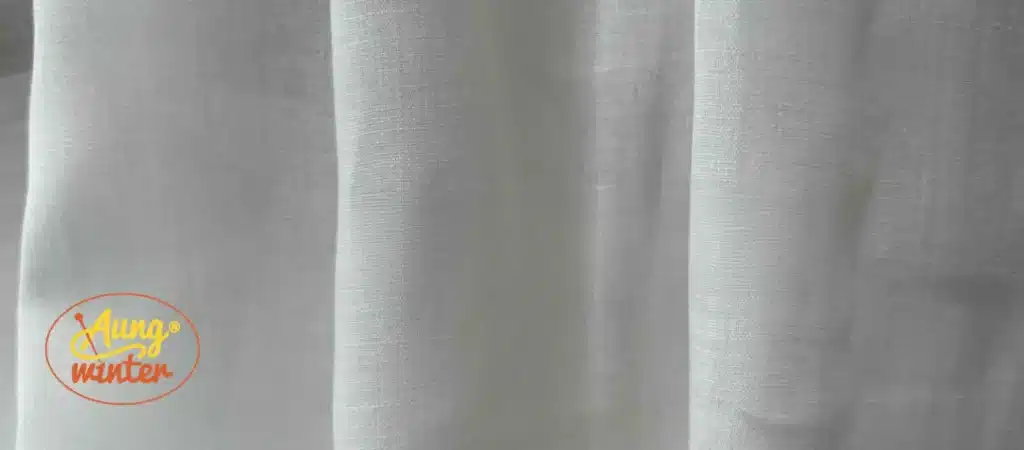
After talking about linen, now let’s talk about ramie.
If linen is the “nice choice,” then ramie is that brilliant genius with incredible properties but a fierce temper.
Ramie ranks first among all bast fibers for heat dissipation and moisture-absorption speed. What’s more, ramie absorbs 3 to 5 times more moisture than cotton and wicks sweat away and releases it the instant you perspire. In the hot, humid summers of the South, wearing ramie is like carrying a personal mini air conditioner, which isn’t a metaphor – it’s a real, tangible sensation. Among natural fibers, ramie is known as the coolest.
From a technical perspective, ramie fibers are long and slender, reaching lengths of 60 to 250 centimeters, and their strength is near the top of all natural fibers. The fiber has a porous internal structure that quickly channels moisture away. In plain language: it’s a serious powerhouse.
But here’s the problem.
Ramie fibers are long, stiff, and have sharp ends. When you first wear a new ramie garment, the prickly itch is extremely noticeable. People with delicate skin who wear it directly against the body often end up red and itchy. What’s more, ramie stiffens when wet – the exact opposite of linen. Linen softens when wet, while ramie hardens. Even after repeated washing, the improvement in softness is very limited.
So ramie’s comfort flaw is glaring: it wasn’t meant to be worn next to the skin.
But the crisp structure of ramie is something linen can’t match. When made into light outer layers, wide-leg pants, or sun shirts – anything that doesn’t hug the skin – its cooling advantage is fully unleashed. For people who get hot easily and have resilient skin, using ramie as an outer layer is a match made in heaven.
By the way, ramie has a hidden skill – UV resistance. Research data show that ramie’s ultraviolet transmittance is below 0.6%. So wearing ramie as sun-protective clothing in summer isn’t hocus-pocus – it’s backed by data.
A Winter Hat Maker’s “Off‑Season” Insight
By now, you may have noticed something interesting:
The divide between linen and ramie mirrors the logic behind winter hat fabrics in a surprisingly similar way.
When we work with wool and cashmere for winter hats, the same underlying principles apply – and those principles are remarkably similar to choosing between linen and ramie. Even wool has its “linen‑like” and “ramie‑like” types. Take merino wool, for example – the fibers are fine, soft, and feel gentle against the scalp, molding to the head the more you wear it. Sound familiar? That’s your linen‑type wool. In the other hand, coarse wools are crisp, structured, and offer excellent warmth, but put them next to the skin and they’ll itch. That’s your ramie‑type wool.
In the world of textiles, there’s never a clear‑cut “good” or “bad” – only “who it’s right for” and “where it belongs.”
When we make custom winter hats, the most important step isn’t picking the most expensive fabric – it’s asking our clients three simple questions:
- Are you wearing it for daily commuting or outdoor activities?
- Is your scalp sensitive?
- Do you have time to care for it, or do you prefer low‑maintenance?
And guess what? These same three questions apply perfectly to someone buying linen summer clothes:
Wearing it close to the skin for daily commutes? Go with linen that is soft, breathable, and gets more comfortable with every wear.
- Heading outdoors and hate feeling sweaty? Choose high‑count ramie as outerwear. It delivers maximum cooling – and since it’s not against your skin, you get the chill without the itch.
- Can’t be bothered with high-maintenance fabrics? Stick with linen, which wrinkles less and softens with washing. Ramie, on the other hand, holds stubborn creases and demands more care.
See? The relationship between fabric and wearers isn’t about which is “better” – it’s about which is the proper fit.
In-depth Analysis Between High Yarn Count and Pre-washing
Why “high yarn count” and “pre-washing” are the true dividing lines
At the end of the original article, there’s a buying tip: no matter the type of linen or ramie, prioritize fabric with a high yarn count and pre-washing treatment. It sounds simple, but it’s really the most valuable line in the entire article. Let me, from a manufacturer’s perspective, unpack it in detail.
First, let’s talk about “high yarn count.”
Yarn count, in simple terms, is the thickness of the yarn. The higher the count, the finer the yarn, and the lighter, thinner, and softer the fabric.
Ramie, due to its long fibers, can be spun to a very high count, and even up to 100s. High-count ramie fabric is as thin as a cicada’s wing, with a gentle touch and significantly reduced itchiness. Many people say “ramie is prickly,” but that usually refers to low-count coarse ramie. High-count ramie is a completely different thing altogether.
Linen, because of its shorter fibers, usually ranges from 5 to 36 in count. But some high-quality linen can achieve higher counts, making it feel more refined in the hand.
What’s the essence of “high yarn count”? It’s taming “roughness” into “refinement.” With the same fiber, the finer it’s spun, the more evenly it contacts the skin, and the weaker the scratchy sensation. This isn’t some black technology; it’s the most basic common sense in textiles.
What’s “pre-washing”?
Pre-washing is a process of washing the fabric before it’s made into garments.
For linen, pre-washing addresses shrinkage. Linen that isn’t pre-washed can shrink by over 5% on the first wash. With pre-washing, the shrinkage rate can be kept under 3%.
For ramie, pre-washing is to soften the fibers and reduce itchiness. Ramie treated with a softening process becomes much softer to the touch.
As a custom manufacturer of winter hats and apparel, we wanna say this: pre-washing is not a “bonus feature”; it’s a matter of “conscience.”
Fabrics naturally tend to shrink, and fibers instinctively prickle – these aren’t the fabric’s fault. But if a manufacturer knows these issues and does nothing to pretreat, selling the “natural tendencies” as “unique characteristics” to consumers, that’s shirking responsibility. A good manufacturer should shoulder that initial “breaking-in” period for the consumer.
When we make winter hats, we also pre-shrink the wool fabrics – not to boast about “advanced craftsmanship,” but simply because we believe: a consumer’s money is spent on “being comfortable while wearing,” not on “having to fuss with it themselves at home.”
Picking Linen Is Like Picking A Person – Fit Matters Most
Looking back, most people who stumbled when buying summer linen shirts made the same mistake: they only looked at functional specs, not at how well the fabric matched their needs.
“Ramie is cooling”, so they bought ramie; “linen is premium”, so they bought linen – but they forgot to ask themselves one thing: How will I actually wear it?
- Next-to-skin wear, sensitive skin, long-term daily use → linen. It trades time for softness, becoming more comfortable the more you wear it.
- Outer layers, fear of stifling heat, southern scorching summers → high-count ramie. Its cooling sensation is irreplaceable.
- Low maintenance, hassle-free → linen. Washing softens it, and the wrinkles look natural.
The relationship between fabric and the wearer is, honestly, a lot like relationships between people: there’s no such thing as perfect, only the right fit. After making winter hats for so many years, we’ve seen too many people spend a fortune on top-grade wool hats, only to wear them once and let them gather dust – not because the hat is bad, but because it doesn’t suit them. A sensitive scalp in coarse wool is misery no matter how warm it is; a round head in a stiff hat shape feels wrong no matter how much it costs.
That’s the same for buying summer linen wear. Please, don’t mislead by the word “cool”. First, consider whether your skin can handle it, then think about how you plan to wear it. Choose according to your needs, and natural linen fabrics will feel refreshing and comfortable.
That’s the most honest advice WE can offer, coming from someone who has worked with fabrics for over a decade.
よくある質問
Q1: I have sensitive skin but really can’t stand the heat. Can I wear ramie in summer or not?
答えてくれ: Yes, but with conditions. Avoid coarse, low-count ramie directly against the skin. If you must wear ramie, go for high-count fabrics (60s and above) – the hand feel will be much gentler. Also, use ramie only as an outer layer – wear it as a sun shirt, wide-leg trousers, or a jacket, anything that doesn’t touch your skin directly. The way you keep the cooling sensation and dodge the itchiness. If your budget allows, consider a linen-ramie blend; it balances ramie’s crisp structure with linen’s softness.
Q2: How bad is linen shrinkage really? What should I watch out for when buying?
答えてくれ: Untreated linen can shrink 5% or more the first time it hits water. The fix is simple: look for labels that with “pre-washed” or “pre-shrunk” or not. Pre-treated linen typically stays within 3% shrinkage, which hardly affects the fit. Also, wash it in cold water for the first wash and skip the dryer to further reduce the risk. As a manufacturer, We’d say it’s worth spending a little extra on pre-washed pieces instead of trying to save on untreated ones – the money you save won’t make up for a garment that no longer fits.
Q3: Ramie always turns stiff after washing. Is there any way to make it softer?
答えてくれ: Ramie hardens when it gets wet – that’s the nature of the fiber, and it can’t be completely changed. But a few things can help.
- First, choose high-count ramie; the finer fibers feel less harsh even when stiff.
- Second, add a fabric softener when you wash – it can soften the fibers to a degree.
- Third, don’t dry it in direct sunlight; shade-dry to avoid excessive stiffening. To be honest, though, expecting ramie to match linen’s softness after washing is unrealistic.
Before you buy ramie, be clear about this: you’re after its crisp coolness, so don’t expect it to give you linen’s gentleness.
About Us: A Winter Hat Custom Maker That Takes Every Single Fiber Seriously
After all this talk of summer, you might wonder: how does a winter hat company spend its summer? Our answer: we study fabrics in summer so we can make great hats in winter.
It’s precisely because we deeply understand linen’s softness and ramie’s crispness that we know every personality of wool and cashmere even better. When we make custom winter hats, we stick to the same principle – match the fabric to your needs. For sensitive scalps, we recommend ultra-fine merino. For those who fear the cold but still want style, we design cashmere blends. For outdoor lovers, we offer windproof, warm tweeds. Every hat, just like choosing a linen fabric, starts by asking what you need, then picking the most suitable material.
If you’d like a hat this winter that truly understands the shape of your head, you’re welcome to reach out anytime. We offer one-on-one bespoke service – from fabric selection and hat shape design to fine-tuning every detail, everything is made for you, no compromises, no settling.
May you wear comfort and move through every season with ease.
Aungwinter – bespoke winter hat maker since 1998
参照
href=”https://www.aungwinter.com/know-how/full-guide-to-linen-ramie-hemp-and-cotton-linen-fabrics/” リネン、ラミー、ヘンプ、コットン・リネン生地の完全ガイド