

At present, no one is unaware of the problems caused by plastic’s difficulty to break down and recycle/reuse as much plastic as possible in order to keep it circulating in our environment. With the emergence of RPET fabric as one way forward for plastic reduction success.

Let’s begin by exploring PET, or polyethylene terephthalate plastic. Derived from oil and natural gas sources, its code number among plastics is one (1) and due to its non-toxic qualities it’s often used in household appliances as well as beverage and food containers such as soda bottles, cups, takeout boxes etc, magnetic tapes films records etc.
PET is a thermoplastic material, making it suitable for use in the production of new products. Additionally, its lightweight nature, corrosion resistance and easy recycling capabilities make PET ideal. However, its durability poses both strengths and weaknesses – PET may take between five to seven centuries before disintegrating after burial.
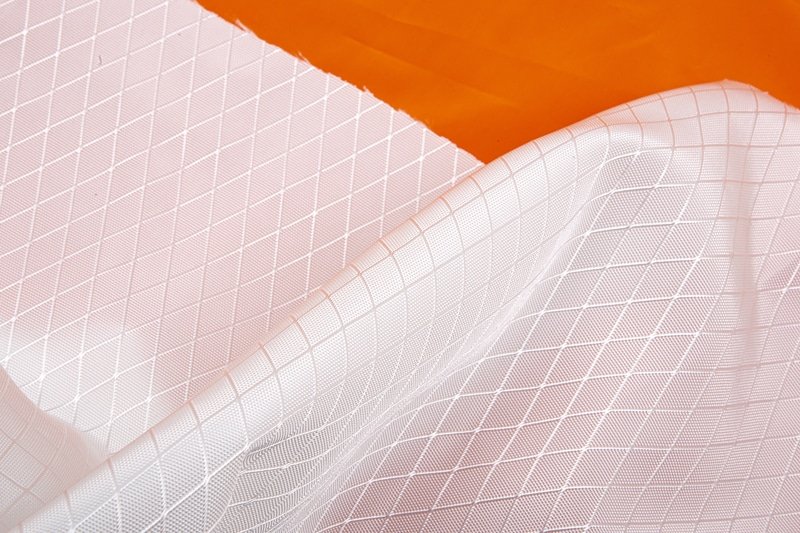
However, PET can be recycled and reused time after time if properly managed and recycled into something called “RPET”, short for Recycled Polyethylene Terephthalate. After classification, crushing, cleaning, dehydration and drying, it is then regranulated as product to reduce plastic flowing directly into natural environments after consumption; supporting green, environmentally sustainable development through this route.
However, due to production constraints, the dyeing process that plastic products have undergone can also affect their use after being recycled, such as only colorless and transparent bottles being able to be remade into plastic water bottles. Most of the RPET with degraded quality or color will be made into fibers and fabrics, made from PET new material fragments or recycled PET bottle chips – manufacturers melt the recycled plastic and make it into new polyester, which is also known as RPET fiber, Coca-Cola bottle environmental protection cloth or PET bottle environmental protection cloth. This fabric can be used to make clothing, blankets, sleeping bags, and even backpacks.
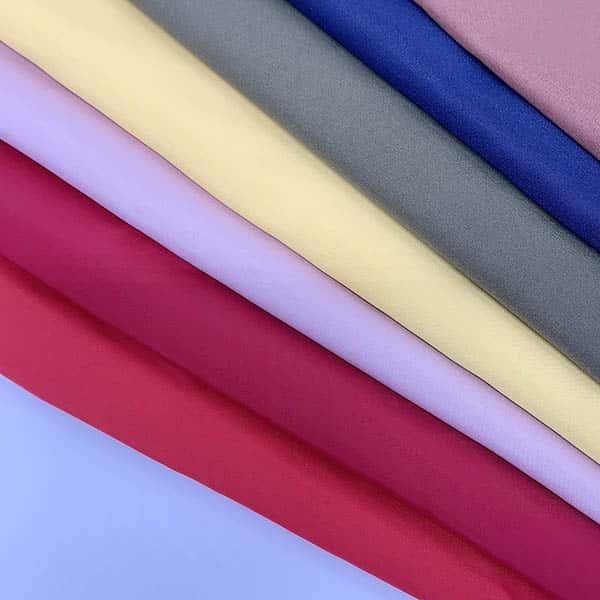
The extensive recyclability of RPET fabric makes it more sustainable than PET fabric. It prevents plastic from entering landfills and oceans, saving soil and marine resources. From the perspective of carbon emissions, the production and use of RPET can reduce the oil and natural gas extracted by people to make new plastics, which can reduce greenhouse gas emissions by more than 79%. From the perspective of product practicality, its product quality is better, with high stiffness and elasticity, strong and durable, which improves the service life of the product, reduces waste to a certain extent, and can block ultraviolet rays.
Every item has the potential to be reused, even ordinary plastic bottles. Recycled plastic bottles give us new discoveries and create a better and greener environment!