Welcome To Contact Us
Response Within 24 hours Guaranteed | Low MOQ from 50 pcs
🔒 100% Privacy Protected. No Spam Guaranteed.


Berets are a rounded flattop hat that originated in France. Due to the unique design and great compatibility of berets, berets have transformed from army accessories to a fashion icon, crossing over genders, ages, and seasons. No matter whether the artist’s free-spirited and unrestrained nature, or the urban woman’s refined and elegant demeanor, berets can always become the eye-catching spot for all styling due to their versatility. The charm of berets is not only for their practicality as accessories, but also the heavy, rich sense of history and cultural metaphors. From war fields to art halls, from street trends to high-fashion garments, this type of hat is an important carrier of self-expression based on its changeable versatility. Here we, Aungwinter, a professional winter hat maker since 1998, will introduce berets from military symbol to modern fashion icon.

The origin of berets could be traced back to the 15th century in the Basque Country, France. Original goatherds used goat hair to weave a rounded top chapeau without a brim to keep warmth from the biting wind and rainfall. In the 19th century, the French army used it as military gear. Because of its lightweight, easy to fold, and convenient to wear a steel helmets, berets were popular in Europe and various countries. During the Second World War, the British Special Forces – SAS (Special Air Service)- used berets as their symbol. Different colors of berets for different types of troops, such as green berets for infantry and red berets for artillery, which made berets the symbol of bravery and professionalism.
In the early 20th century, the favorite for berets from cultural celebrities like Picasso and Camus made them gradually get rid of military property, and become the symbol of art and fashion. In the mid-20th century, berets finished the splendid transformation from military culture to a fashion icon. French existentialist philosopher, Jean-Paul Sartre, and writer Albert Camus often used berets to match long overcoats to show intellectuals’ rebellious spirit. Spanish painter Picasso used berets to pair with banded shirts to produce the artist’s free-spirited look. In the 1960s, berets became the symbol of counterculture. The Civil Rights leader Martin Luther King Jr. and anti-war activists wore berets in droves, which made them a meaningful symbol of peace and anti-war.
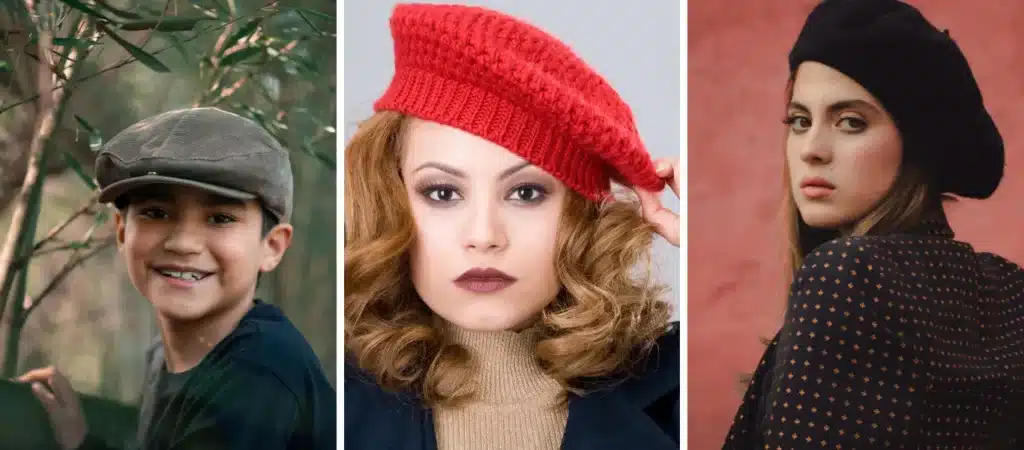
Nowadays, there are rich types and styles when opting for a beret hat.
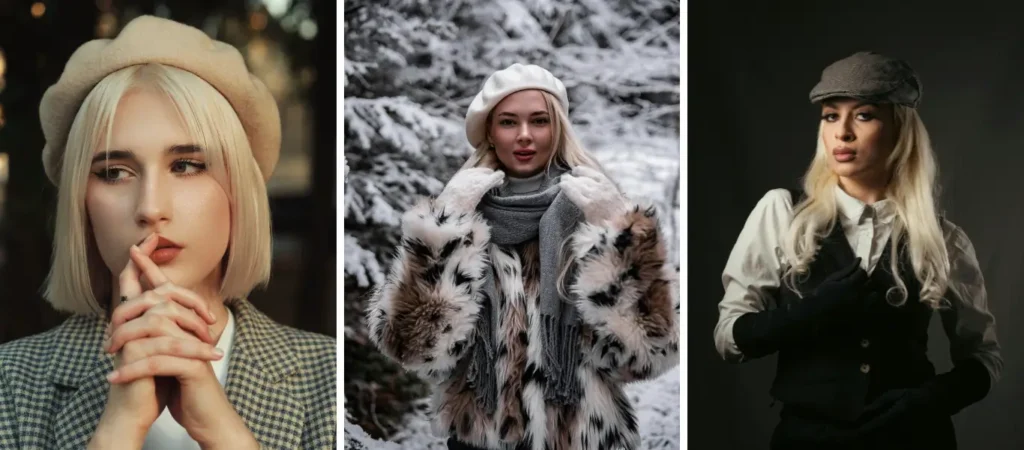
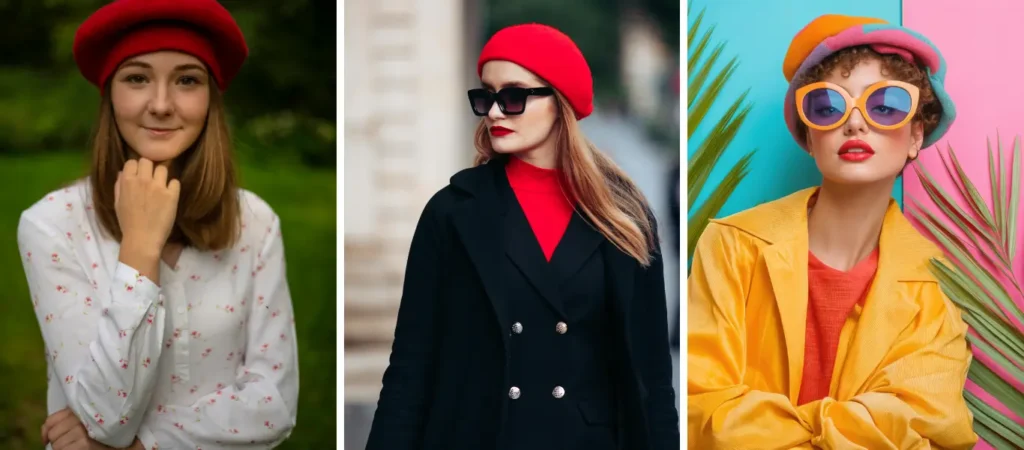
Berets are not just for afterlife and downtime, and are made from various fabrics, which makes berets suitable for all year round.
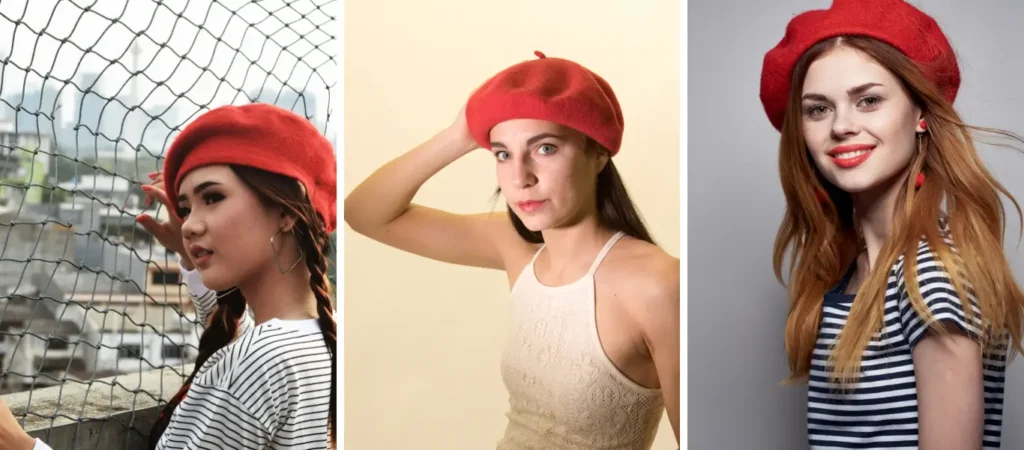
The texture and style of berets are mostly decided by their fabrics and the choices of craftsmanship.
| Fabric Type | Features & Suitable Occasions | Details of Craftsmanship |
| Wool Felt | Classic fabric with excellent warmth, which is suitable for fall and winter seasons. | Used the wet felting: Soaked wool in hot water, then rubbed and compressed to form a dense felt-like structure. The edges must be repeatedly hand-polished to ensure smoothness. |
| Knitting Fabric | Commonly used sheepskin or artificial leather, shaping the hat shape by molding. The edges require hand-sealing to prevent wear. | Commonly made from natural materials, like raffia grass and wheat straw. Weft weave and hand-tailoring. The cotton-linen blend achieves a drapey effect through a wash treatment. |
| Leather | Great lustering and structured, which is suitable for slick, cool styles or vintage styles. | Most plain weave or cable weave, and high-end knitting fabrics are blended with Mohair to add a sense of fluffy, or blended with cashmere to improve the luxurious level. |
| Straw Cotton-Linen | Lightweight and breathable, which is suitable for spring and summer, with holidays and literary sense. | Lightweight and breathable, which is suitable for spring and summer, with holidays and literacy sense. |
Innovative Fabrics: In recent times, eco-friendly regenerated yarns, like yarns made from recycled plastic bottles, and functional fabrics, like hair with leakproof coating, which is classic and can meet ultramodern diurnal life.
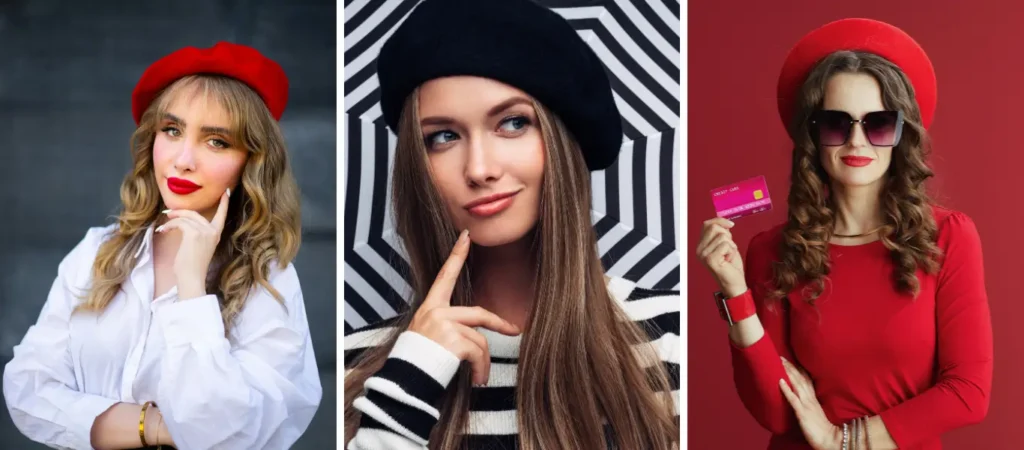
The versatility of berets can have different effects for different face shapes.
Classic Wearing Ways
The care and maintenance tips for berets made from different fabrics are different.
Berets made from Wool Felt or Woolen
Avoid water marshland, smooth the chapeau shape using a brume iron, or cover with a damp kerchief and iron at a low temperature( not exceeding 110 °C/ 230 °F).
When storing, place in a dust-evidence bag to avoid crushing. Stuff crumpled paper inside to maintain its shape.
Berets made from Stitching Fabrics
It’s suggested to wash by hand with neutral soap, and gently drop. Flatten to dry and avoid sun disquisition and hanging to dry, which might lead to distortion.
Leather Berets
Wipe with a clean, soft cloth dampened with a technical leather cleanser. Avoid contact with sharp objects in the storehouse. Apply a small quantity of leather care oil to maintain luster.
Berets made from Straw and Cotton Linen
Light stains can be wiped off with a damp cloth. Avoid prolonged soaking. When air-drying, place in a well- voiced area to help the earth grow.
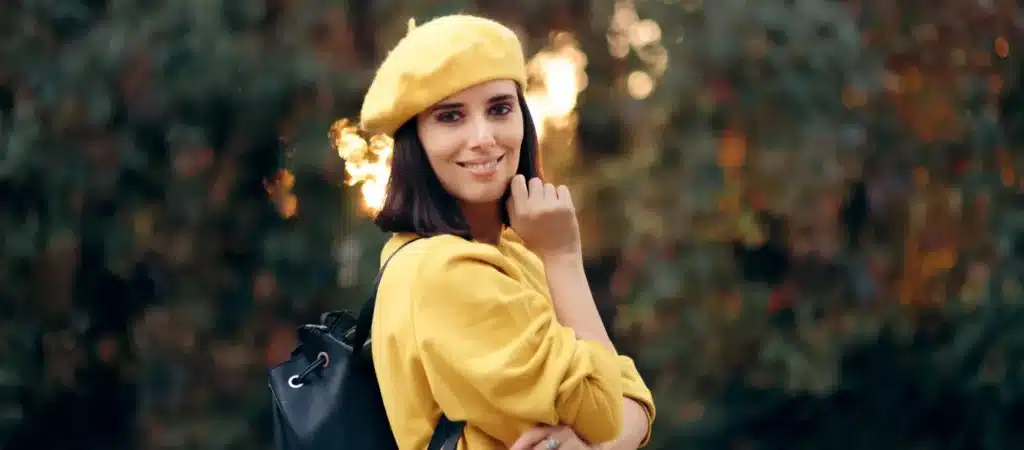
From war fields to fashion shows, from artists’ workrooms to megacity thoroughfares, berets have interpreted the classic style due to their unique charms. Berets aren’t only an accessory, but also a statement, and indeed an unconventional and avant-garde fashion. No matter whether you’re a fashion newbie or styling pro, a beret can always inoculate your look with an eye-catching spot and make you stand out from the crowd. As its history, the fashion story of berets has noway stopped.