
Short Intro
A baby’s head is the primary site of heat dissipation. Overheating the head can not only cause irritability but also lead to heat rashes. With the recent sudden drop in temperature, parents have to pay more attention to keeping their baby’s head warm.
Some parents keep their babies wearing hats all day to prevent them from catching a cold. But is this a good way to keep them warm? When is the right time for parents to put a hat on their baby? Which hats are not recommended for babies? Let’s answer a series of questions about hats one by one for parents.
In what situations is it not necessary to put a hat on your baby?
Warm Tips: Putting a hat on your baby should pay attention to the “timing”.
Indoors: When the temperature is suitable or the heating is sufficient
Outdoors: When there is no wind and the temperature is high
Reason: This is because infants and young children are active and have a high metabolism. The head is the main heat dissipation area. Wearing a hat in these situations or environments will actually affect heat dissipation. Taking off the hat immediately after sweating can easily cause the baby to catch a cold.
Risks of wearing a hat incorrectly: If your baby’s head overheats and develops a small red rash with white pus on top, this is impetigo caused by overheating. If your baby shows symptoms of overheating, please take him or her to the hospital for treatment immediately.
In what circumstances is it necessary to put a hat on your baby?
Indoor: When the room temperature is low
Outdoor: windy and sandy environment, cold season
Reason: In most cases, babies don’t need hats indoors unless the room temperature is very low. In low-temperature environments, hats are primarily used to keep out the cold. However, in windy, cold outdoor environments, hats not only provide warmth but also protect the baby’s head from the wind.
How to choose a hat for your baby?
1, Cotton hat is preferred
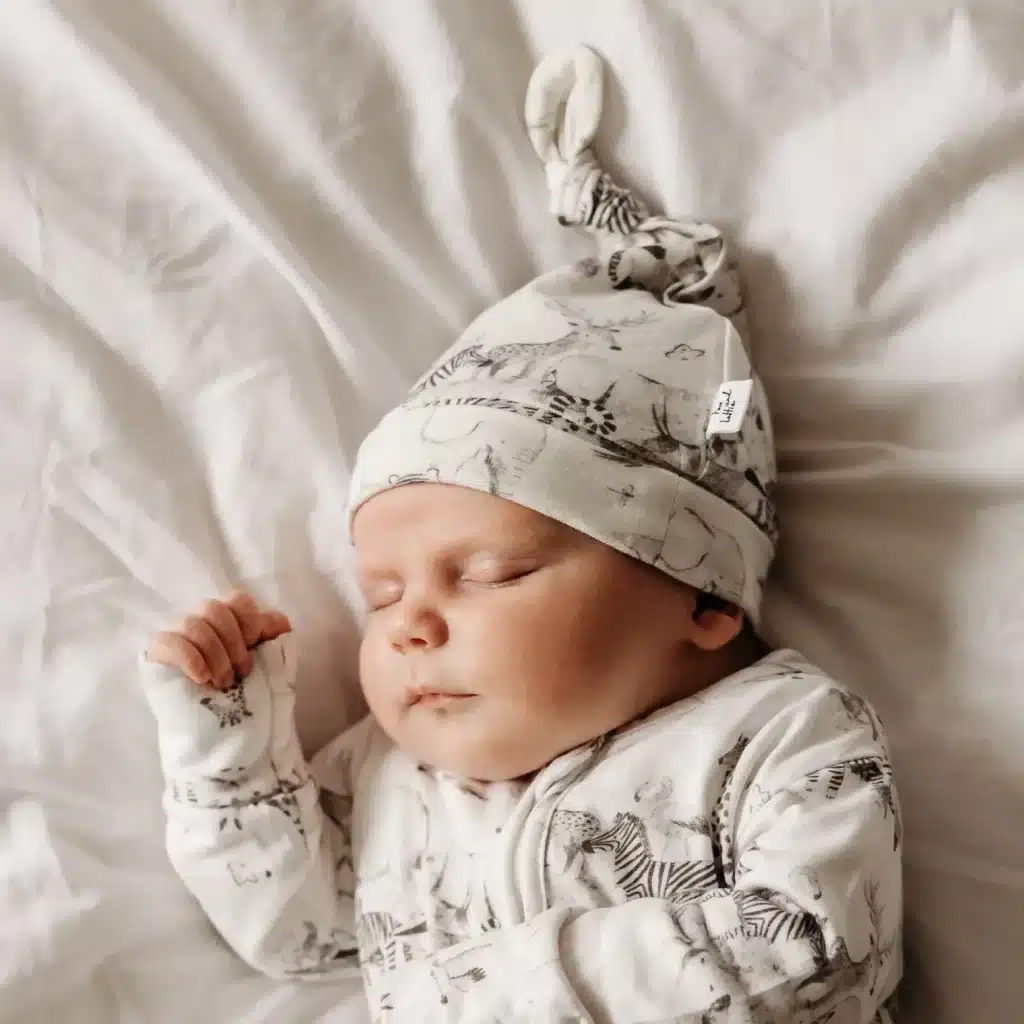
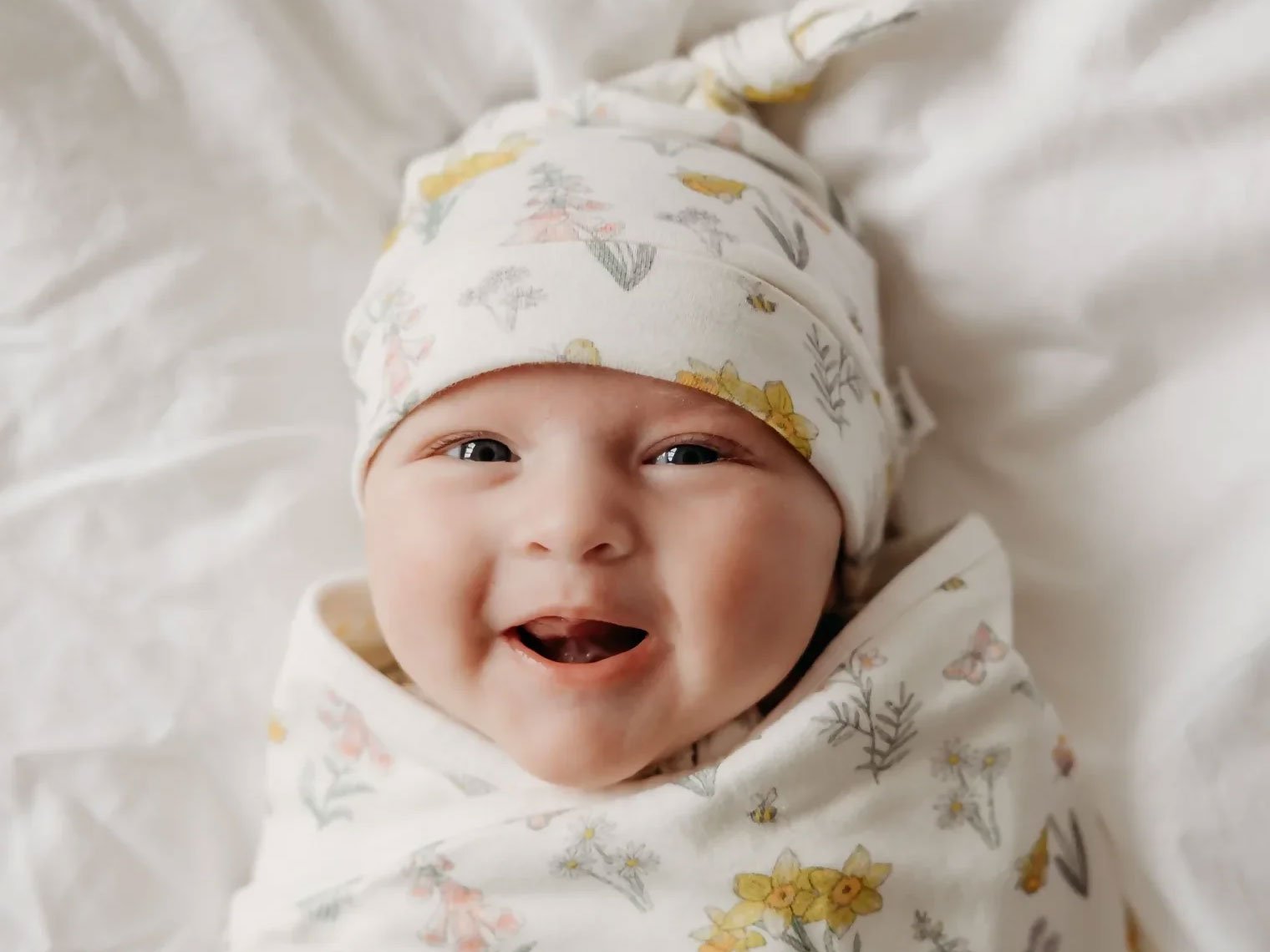
The baby’s head skin is delicate and has poor adaptability to climate change, so you should choose a cotton hat that is light, soft, warm and breathable.
Hats that shed easily, are rough, or are not breathable are not recommended for babies. Shedding lint can damage a baby’s respiratory tract. Rough hats can damage a baby’s skin. Non-breathable hats can hinder the evaporation of sweat and can easily cause rashes on the baby’s head.
2, The size is suitable for the head circumference
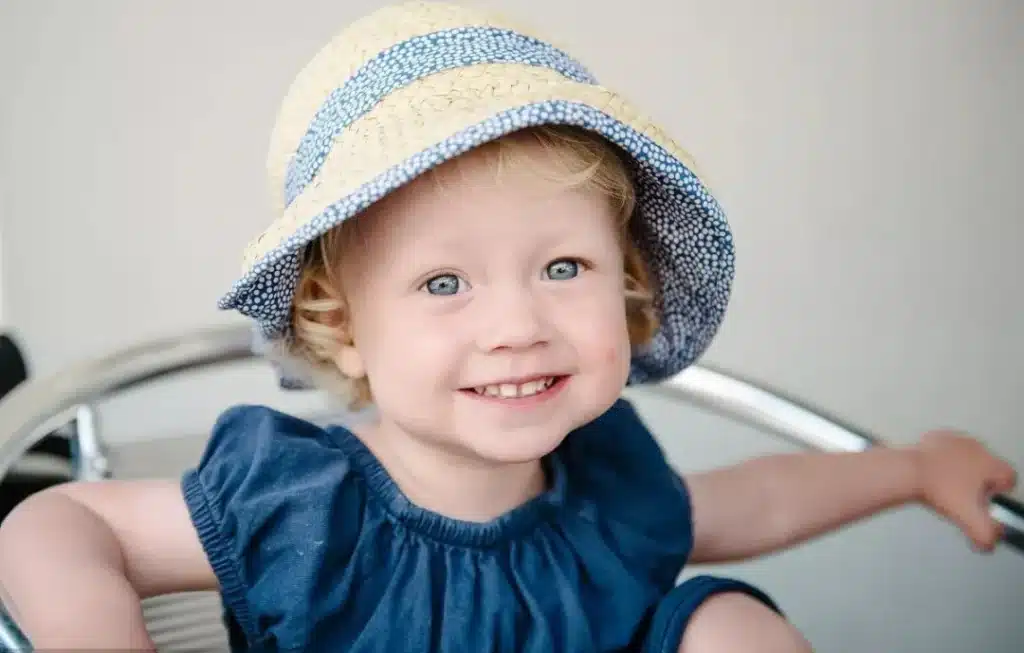
When choosing a hat for your baby, parents should consider the baby’s head circumference and increase the size by 1-2 cm. Otherwise, a tight hat can affect the baby’s blood circulation and head development. If the hat is too big, the baby’s activeness can easily cause it to cover their eyes or fall off.
3, Don’t just look at the style

Some parents only consider the style, thinking only about how to make them look fashionable and good in photos, but ignore the real purpose of buying hats for babies.
Baby hats can be brightly colored, but they shouldn’t have overly complicated decorations. This is because loose objects can easily cause babies to swallow them, and sharp decorations can easily scratch their skin. Therefore, when choosing a hat for your baby, parents should always remember why they’re buying it!
4, Don’t always wear a hat with a brim
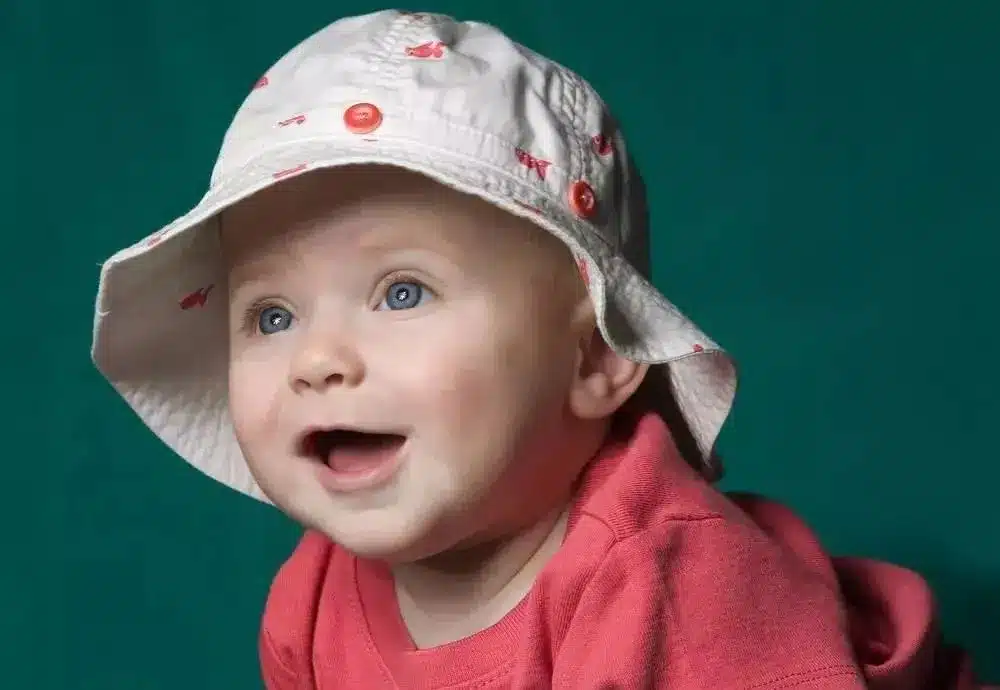
Many parents believe that hats with brims can block ultraviolet rays and prevent vision damage. While this is true, the appropriate hat for your baby should be tailored to the environment. For example, a hat with a brim is best in strong sunlight, while a hat without a brim is best for colder temperatures indoors. This makes it easier for mothers to hold and breastfeed, while also not obstructing the baby’s vision.
How to choose a hat for your baby?

1, Don’t wear a hat every time going out
On sunny days, sunlight can provide children with valuable nutrition. Sunlight exposure can convert T-dehydrocholesterol in the skin into vitamin D, which plays an important role in preventing the occurrence of rickets.
In addition, sunlight has a strong bactericidal and disinfecting effect. Children exposed to sunlight more often can improve their disease resistance and prevent infection. Therefore, wearing a hat should be determined according to the time and weather.
2, Don’t wear other’s hats
Because skin infections like tinea capitis and lice can be transmitted through hats, you shouldn’t wear someone else’s hat. Babies have a more active metabolism than adults, sweating and producing more sebum, so hats should be washed and changed monthly to keep them clean.
3, Do not take off the hat suddenly
In winter, some children who wear hats and overdress often remove their hats immediately after strenuous exercise. This is inappropriate because it causes significant heat loss, making them more susceptible to colds and illnesses. Therefore, avoid removing hats and clothing too quickly or too soon after exercise.
First, unbutton your baby’s shirt to slowly dissipate heat and wipe away any sweat from their head and body with a dry towel. Once your baby has adjusted to the room temperature, lift the hat slightly higher before removing it completely.