Welcome To Contact Us
Response Within 24 hours Guaranteed | Low MOQ from 50 pcs
🔒 100% Privacy Protected. No Spam Guaranteed.

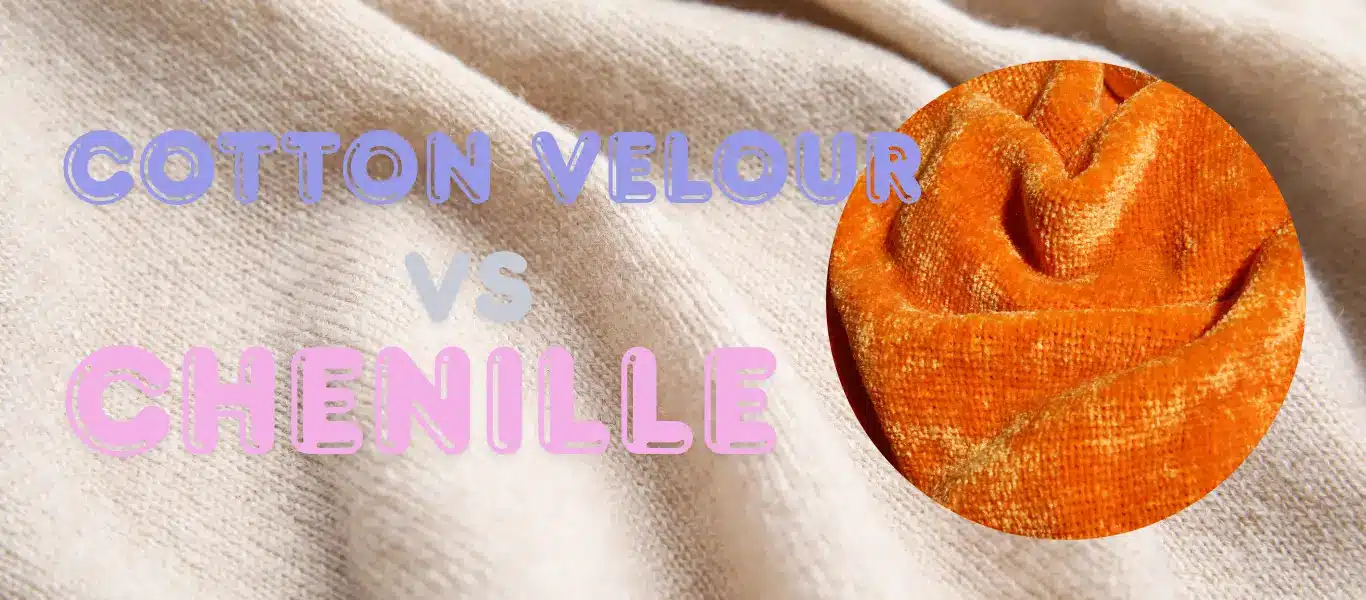
In daily life, we often struggle to choose the right fabrics for babies’ clothing or textured curtains, or sofa covers. In these scenarios, cotton velour and chenille are frequently occurring in our sights. Both fabrics have their own pros, which are suitable for different occasions. Here we, Aungwinter, a custom manufacturer of winter hats and apparel, will introduce cotton velour and chenille in detail from their properties, versatilities, and notes, including which is better for babies’ clothing.
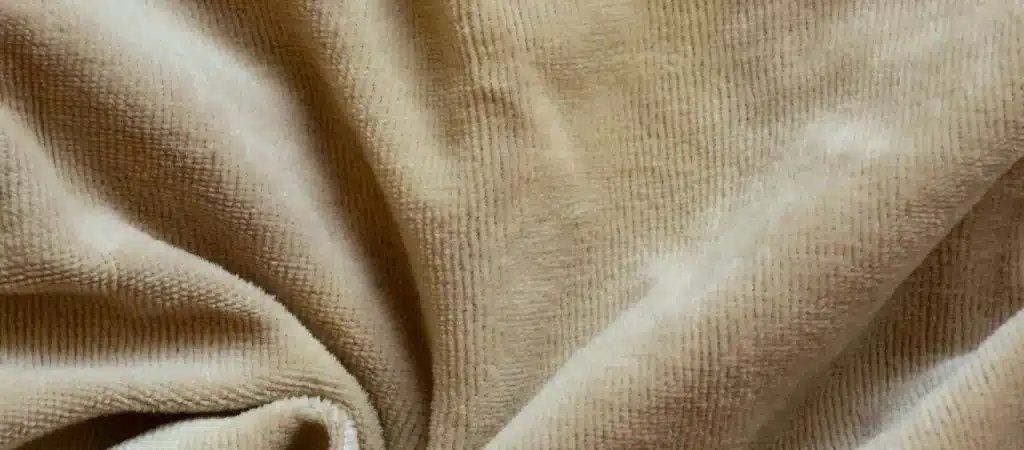
Cotton velour is a fabric that uses cotton as its base with short and thin velour on the surface, which can offer a very soft touch that feels like clouds.
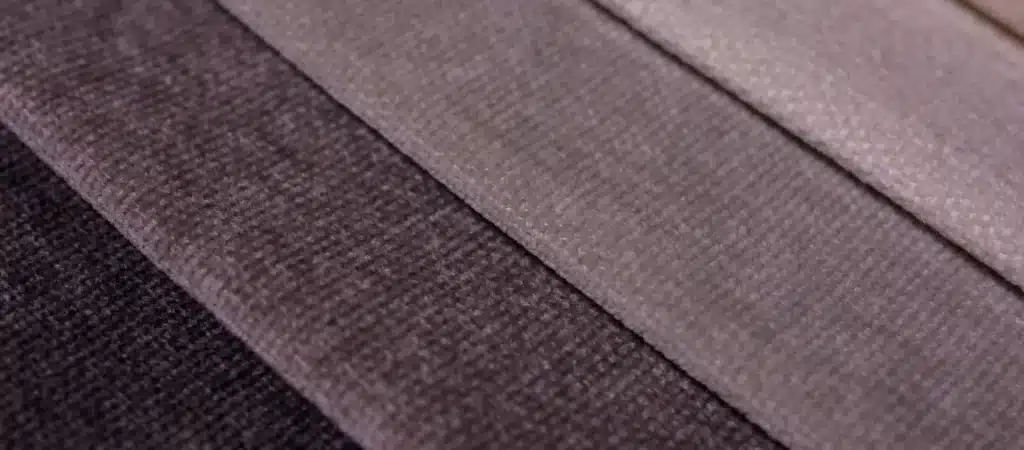
Chenille is a fancy yarn that is crafted from short yarns through a special treatment and created by twisting short yarns between two core threads, resulting in a plush, velvety texture. The surface is velour, and he outer appearance looks like a caterpillar, that’s why it’s called caterpillar velour.
| Types | Price($/meter) | Features |
| Common Chenille | about $7 | Hard texture, common touch, and suitable for customers with limited budgets. |
| Mid Chenille | $7 to $30 | Nice quality, cozy to the touch, and suitable for general household use. |
| High-end Chenille | $30+ | Soft texture, wear resistance, and wrinkle resistance, which are suitable for high-end home wear and apparel. |
| Special Chenille (like Jacquard) | $20+ | With complex craftsmanship, the price can be up to $70 per meter |
| Eco Chenille | $42+ | Meet the eco standard, which is expensive. |
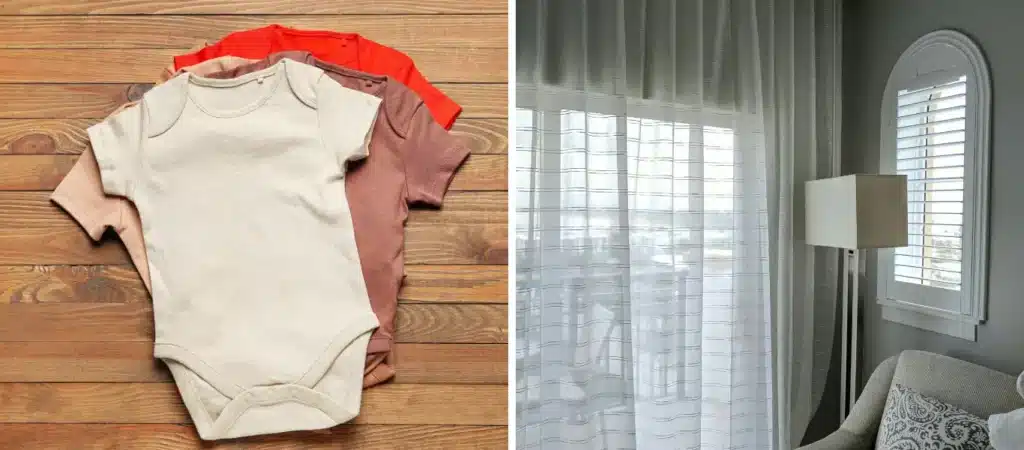
Why do babies prefer cotton velour clothing? Why does Chenille become the primary choice for home ornaments? Cotton velour and chenille have their own advantages. To be honest, intimate garments, please choose cotton velour and curtains, sofa covers, choose chenille.
Cotton velour is used cotton as its base with short and thin velour surface, which can offer a cloud-like touch, particularly for touching the skin directly. Its core pro is that the balance between skin-friendliness and breathability – the velour structure that can lock the body heat, which can keep warm in winter without sticky feelings. Meanwhile, the cotton base can ensure that air circulates, which can decrease the risk of allergy. Therefore, cotton velour is a great fabric for babies’ clothing, home wear, and winter intimate bottomingshirts. However, please note that cotton velour is poor at wear resistance; it’s prone to pilling after rubbing; it’s also prone to causing static electricity in dry seasons, which needs to be washed with conditioners.
Chenille is composed of long plush yarns with thick and smooth fleece, which can bring high-level texture and light blocks to itself. Thus, chenille is often used to manufacture household items, like curtains, sofa covers, and pillow covers. The natural dropping property can create a warm atmosphere and can effectively block lights, which is suitable for a bedroom or living room. However, the heavy, thick structure sacrifices breathability, and it might be hot and sticky in summer. Moreover, it’s prone to shrinking after washing, and chenille needs to be flattened to dry and allow for dimensional tolerance. Dark-colored chenille might slightly lose hair; please separate washing with light-colored clothing.
Therefore, if you pursue close-fitting and intimate garments, like babies’ clothing, then cotton velour is more suitable. If you are looking for home ornaments, like curtains or sofa covers, then Chenille can decorate your house better.
In a word, cotton velour and Chenille have their unique advantages. For intimate garments, cotton velour is the prior choice, particularly for babies’ clothing and home wear. Chenille has become the primary choice for manufacturing home ornaments, like curtains and sofa covers, due to its high texture, light-blocking, and dropping properties.