
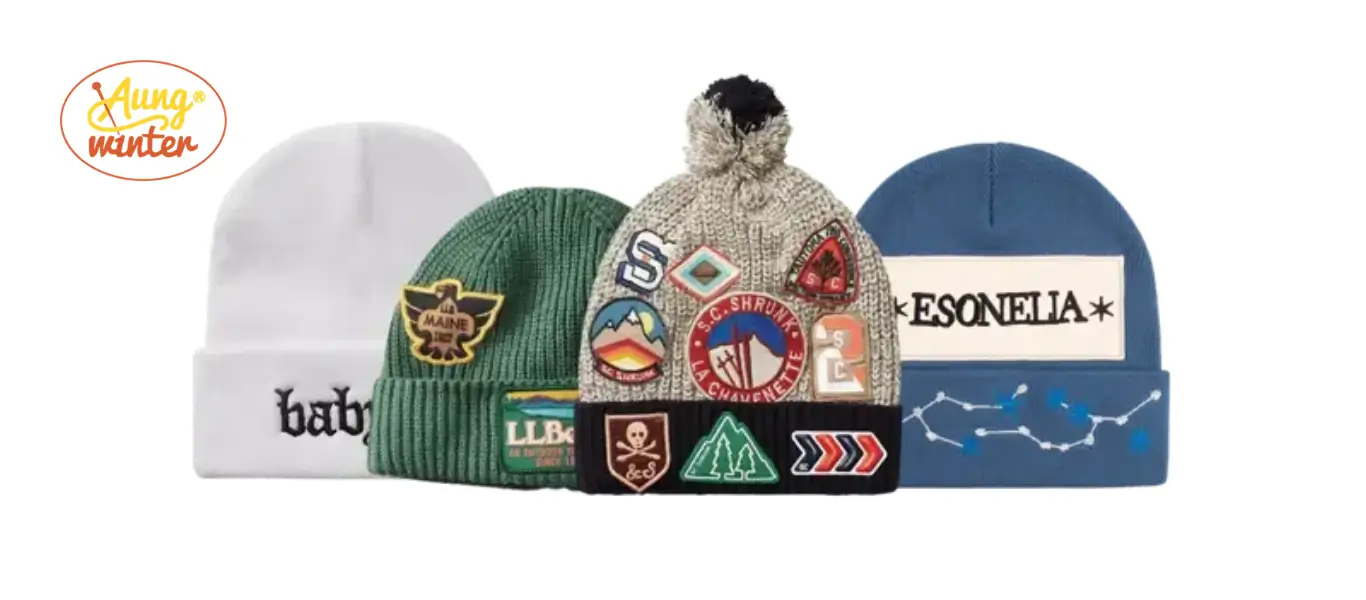

A Misunderstood Industry Pain Point
In the field of B2B custom winter hat production and sourcing, “pilling and fuzzing” has long been a central point of dispute over quality. Brands cite it as a reason for returns, buyers use it as a key performance indicator for supplier evaluation, and end consumers habitually equate it with “inferior fabric.” However, as a manufacturer deeply engaged in knit hat production, we need to re‑examine this perception: Is pilling a quality defect, or is it an inherent physical property of knitted fabrics?
Based on an in-depth understanding of the structural characteristics of knitted fabrics, this article will systematically analyze the root causes of pilling and fuzzing on winter hats. From an industry practice perspective, we (Aungwinter) will propose targeted material selection strategies, process optimization measures, and methods for managing customer expectations. This is not merely a technical discussion – it also involves strategic thinking on how to establish scientific quality standards, effectively manage client needs, and enhance product competitiveness in B2B operations.
Rethinking the Mechanism of Pilling and Fuzzing on Knit Winter Hats
Moving Beyond the Binary Judgment of “Good vs. Bad Quality”
Structure Determines Properties: The “Double‑Edged Sword” Effect of the Loop Structure
Mainstream winter hats are made using knitting processes (including single jersey, double knit, rib knitting, etc.). The core feature is that yarns are interlooped to form the fabric. This structure gives winter hats unparalleled advantages: excellent stretchability to fit different head circumferences, good elasticity to ensure a snug fit, and a soft handfeel for enhanced next‑to‑skin comfort.
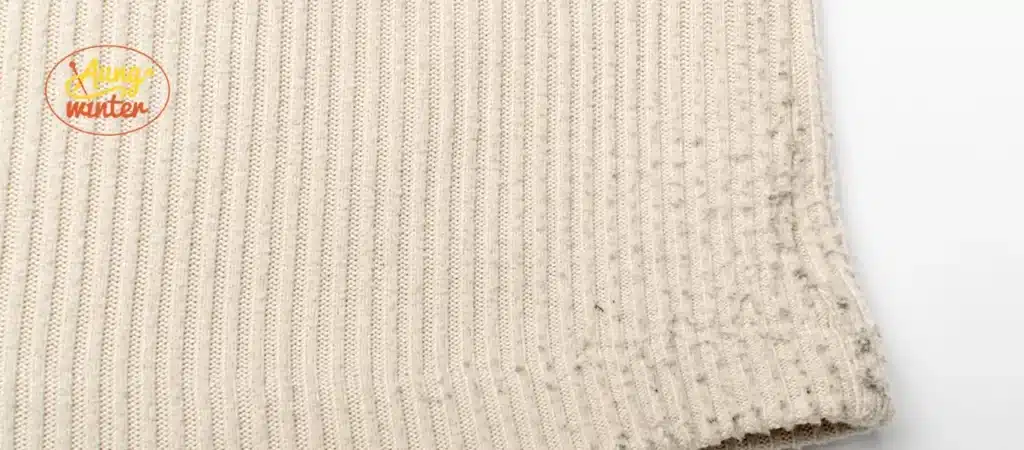
However, the advantages of structure bring inherent drawbacks. Unlike woven fabrics, where the warp and weft yarns are tightly interlaced and the fibers are firmly locked in place, knitted structures have weaker frictional cohesion between yarns, allowing the fibers greater mobility. When wearing a winter hat is affected by head movement, putting on and taking off the hat, or friction with necklines or scarves, short fibers on the surface of yarns can be easily pilled off or slip out to form initial fuzz. This process can be seen clearly under a microscope: one end of the fiber remains embedded in the yarn, while the other end has lifted away from the fabric surface. That is the microscopic mechanism of “fuzzing.”
Furthermore, the unique usage scenarios of winter hats amplify this effect. The head is one of the most active parts of the human body – the relative movement between the hat and the hair, friction between the hat and the hood of a coat, and even contact with a pillow while sleeping all constitute continuous external forces. This means that when a knitted fabric of the same structure is used for a winter hat, the visible onset of pilling and fuzzing is often faster than when the same fabric is used for a sweater or pants.
The “Responsibility Distribution” of Fiber Materials: Who Is Contributing to the Problem?
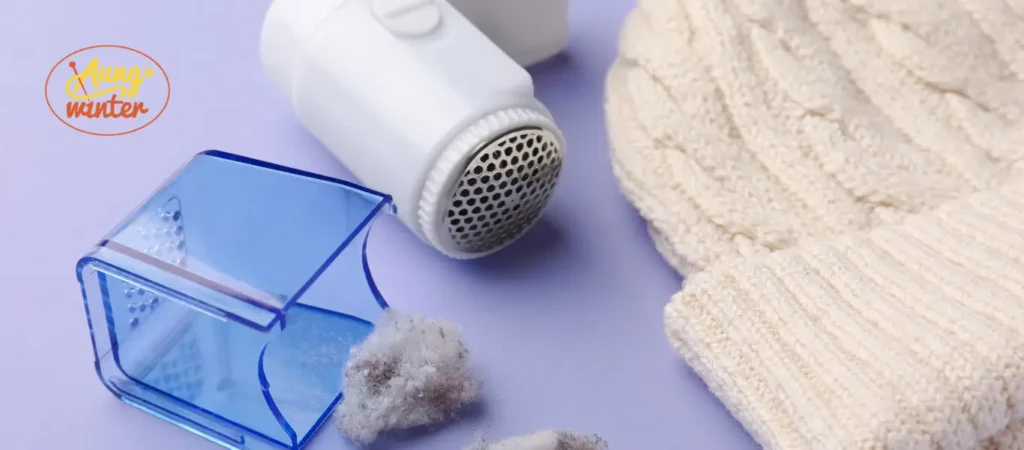
In the pilling stage, the mechanical properties of fibers determine the final performance, which is the most easily misunderstood part in the knitting hat industry.
High-strong synthetic fabrics (polyester, nylon, and acrylic): These fabrics are resilient, have high flexural rigidity, and strong fatigue resistance. When fuzz forms, these fabrics do not break off easily; instead, they continuously bend, twist, and entangle with each other under repeated friction, eventually forming dense pills that firmly adhere to the fabric surface. This is why acrylic knit winter hats commonly develop dense, stubborn pills – although acrylic fiber is not as strong as polyester, it has good resilience, and once pills form, they are difficult to remove.
Natural staple fibers (cotton, wool, cashmere): The situation is more complex. For pure cotton knit winter hats, once fuzzing occurs, the cotton fibers have relatively low strength and will gradually break off and fall away under continuous friction. As a result, noticeable pills rarely form, but a “whitened” abraded surface may appear. Wool falls somewhere in between – the scale structure on the surface of wool fibers makes them prone to directional friction effects (felting) under moisture, heat, and mechanical action. This not only leads to pilling but also causes overall shrinkage and thickening of the fabric. That is why wool winter hats are both prone to pilling and susceptible to shrinkage.
Microfibers and filaments: A detail that is easily overlooked yet extremely important. For winter hats made with polyester or nylon filament yarns (continuous fibers), since there are no short fiber ends in the yarn, the tendency to fuzz and pill is significantly lower than that of spun yarn products made from the same material. Some high‑quality custom winter hats adopt a “filament core + staple fiber wrap” structure, balancing appearance, handfeel, and anti‑pilling performance – a process direction worth paying close attention to during B2B product selection.
Pilling Is Not Empirical Evidence of a “Quality Defect”
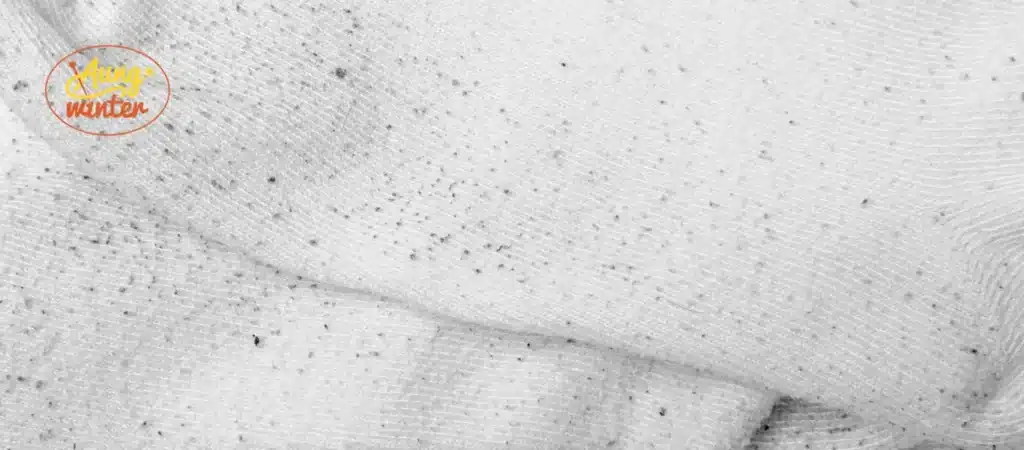
From a fiber science perspective, pilling and fuzzing are normal physical results under special conditions, not a quality defect. Commonly, no-pilling knitting fabric often sacrifices softness, bounce, and breathability. For example, improving the yarn twist can increase fiber binding and reduce pilling. However, the handfeel of fabrics can be stiff and lose the fluffy and soft features of winter hats. Or by adding a coating or resin layer, fibers can lower breathability and moisture-wicking, which can affect the comfort of wearing.
Therefore, a mature B2B manufacturer should guide clients to embrace a quality philosophy of “acceptable levels of pilling,” rather than making unrealistic promises of “never pills.” This is already a consensus in mature European and American markets – many mid‑to‑high‑end knit hat brands clearly state on their product labels: “Pilling is a natural characteristic of knitted fabrics,” and provide scientific care and maintenance instructions.
Key Controllable Variables Affecting the Pilling Tendency of Winter Hats
The Manufacturer’s Scope for Proactive Intervention
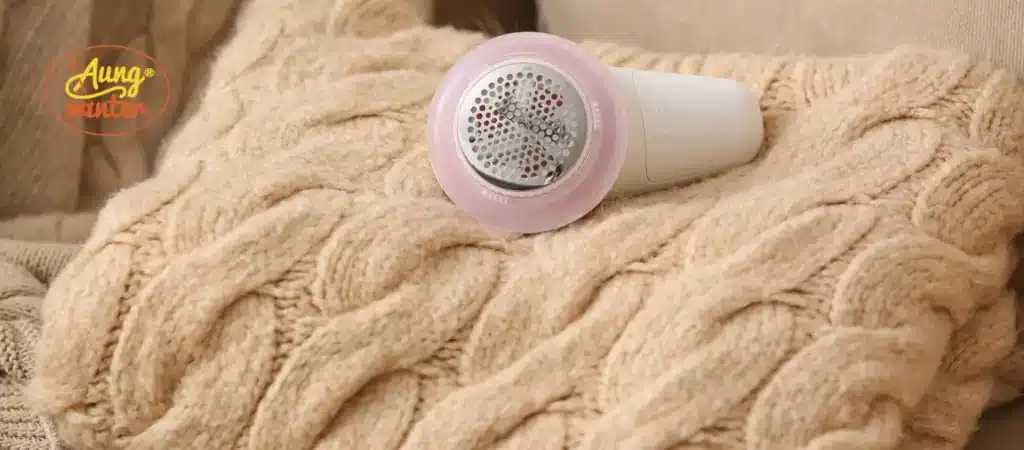
Although pilling has an objective inevitability, through systematic material and process optimization, it can be effectively controlled within a reasonable range. Below, from the perspective of practical manufacturing operations, we outline the variables with the highest intervention efficiency.
Although pilling is objectively inevitable, through systematic material and process optimization, it can be fully controlled within a reasonable range. From the perspective of our practical manufacturing operations, the following lists the variables with the highest intervention efficiency.
Yarn Optimization Strategies
Fiber length is the determining factor: No matter what fabric they are, choose long-staple cotton (such as Egyptian or Xinjiang long-staple cotton), premium wool like Merino wool, or yarns undergone a combing process, which can significantly reduce the content of medium-short fiber. The combing process removes short fibers that are insufficient in length, resulting in a smoother, more parallel fiber arrangement and a marked reduction in initial fuzz. For custom winter hats, it is recommended to specify “combed yarn” in the contract specifications – this is the most cost-effective anti-pilling measure.
The art of balancing yarn twist: Appropriately increasing yarn twist enhances inter‑fiber cohesion and reduces the likelihood of fiber slippage. However, winter hats have an inherent requirement for softness – excessive twist can make the fabric feel stiff and compromise its elasticity and drape. In practice, a composite structure of “low‑twist core yarn + high‑twist outer layer” is recommended – the core provides bulk and softness, while the high‑twist outer layer controls fuzz. This process places higher demands on spinning equipment, but the resulting quality improvement is significant, making it well‑suited for mid‑to‑high‑end custom orders.
Application of anti-pilling modified fibers: Specialty anti-pilling acrylic and anti-pilling polyester fibers are now available on the market, achieved through methods such as reducing fiber strength, altering cross-sectional shape, and adding anti-pilling modifiers. The principle behind these materials is to allow the fibers to actively break off and detach before they can form pills, rather than endlessly tangling. Taking anti-pilling acrylic as an example, its pilling resistance grade can reach 3 to 4 (compared to only 1–2 for regular acrylic), with a cost increase of approximately 8–12%, making it a recommended upgrade option for custom winter hat orders.
Choices and Optimization of Textile Structure
Regulation of knitting density: In winter hat production, the proper matching of course density and wale density is critical. If the density is too low, the loops are loose, and fibers have more room to slip out; if the density is too high, the fabric becomes stiff and costs increase, while also potentially affecting wearing comfort. Taking a 12‑gauge flat knitting machine as an example, the typical loop length for ordinary winter hats is around 8–10 mm/50 needles. If the loop length is compressed to 7–8 mm/50 needles, the pilling resistance grade can be improved by 0.5–1 level, but the handfeel will become noticeably tighter. Manufacturers should provide professional recommendations based on the target price point and customer preferences – for example, winter hats for outdoor sports brands can accept a slightly tighter handfeel in exchange for higher durability, while hats for fast‑fashion brands should prioritize softness.
Differences in structural performance: The pilling tendency varies significantly across different knitted structures. Plain knit structures have the smoothest surface and low friction resistance, resulting in relatively mild pilling. Rib structures (1×1, 2×2), with their tighter loop construction and greater yarn bending, provide enhanced fiber binding and outperform plain knits in anti-pilling performance. In contrast, terry and brushed structures have the highest pilling tendency due to the large number of loops or raised fibers on the surface. For custom winter hats, if the client has strict anti-pilling requirements, rib or double-knit structures should be prioritized, and the use of terry or brushed finishes on large areas of the hat body should be avoided.
Strategic Use of Finishing Processes
Bio-polishing and enzyme treatment for cellulosic fibers: For winter hats made from cotton or viscose, cellulase enzymes can be used for bio-polishing. The enzyme selectively hydrolyzes the surface fuzz fibers, causing them to break off and resulting in a smooth, clean surface. This treatment can improve the pilling resistance grade by 1–1.5 levels, while also imparting a softer, smoother handfeel. It should be noted that enzyme treatment requires extremely precise process control – even slight deviations in temperature, pH, or treatment time can lead to excessive strength loss.
Resin finishing and cross-linking technology: Adding appropriate polyurethane or acrylic resin forms a thin film on the surface of fabrics, which can bond and fix surface fuzz. This method is very effective with obvious effects, but it might sacrifice part of the moisture-wicking and breathability, and its effectiveness diminishes with repeated washing. It is recommended for orders that have strict pilling resistance requirements but relatively lenient softness expectations.
Mechanical shearing: The initial surface fuzz is physically removed using a shearing machine. This is the most direct method, especially suitable for brushed‑style winter hats – adding a shearing step after the brushing process can significantly reduce subsequent pilling while retaining the brushed feel. The cost is controllable, and the effect is immediate, making it a standard process that should be recommended to clients.
Practical Recommendations for B2B Manufacturers: From Reactive Response to Proactive Management
Building A Scientific Standard System for Pilling Grades
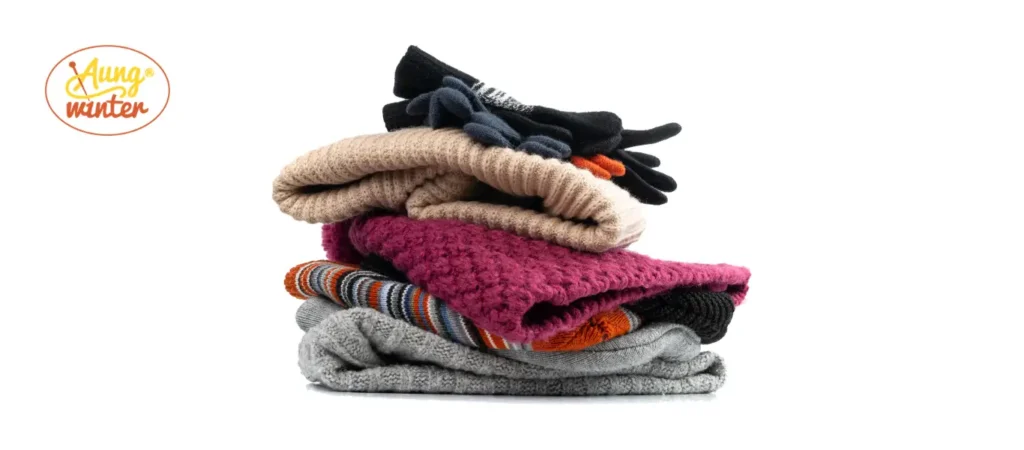
It is recommended that manufacturers refer to the national standard GB/T 4802.1 (circular trajectory method) or ISO 12945-1 to establish an internal pilling grading system and incorporate it into product specifications. For winter hat products, reasonable pilling grade targets should be:
- Economy products (< RMB 15/piece): Grade 2–3 – noticeable pilling is acceptable as long as the overall appearance is not significantly affected.
- Mid‑range products (RMB 15–40/piece): Grade 3 – moderate pilling is acceptable, with a reasonable number of pills.
- Premium products (> RMB 40/piece): Grade 3–4 – only light pilling is acceptable, while a soft handfeel must be maintained.
Importantly, the expected grade should be clearly communicated to clients during the quotation and contract stage, supported by actual test data from samples. This approach manages client expectations effectively and avoids quality disputes later on due to inconsistent standards.
Provide Clients with Product Grading Options for “Anti-pilling Performance”
In B2B custom orders, different clients have significantly different sensitivity to pilling: cross‑border e‑commerce sellers are the most concerned (negative reviews directly affect rankings), brand wholesale clients come next, while promotional gift clients tend to have higher tolerance. We recommend developing three tiers of anti‑pilling solutions:
- Basic solution: Regular acrylic/polyester yarn, standard knitting density, no special finishing – clearly communicate the pilling grade, suitable for price‑sensitive orders.
- Enhanced solution: Combed cotton/anti‑pilling acrylic, denser knit structure, with shearing treatment – improves pilling grade by 1 level, with a cost increase of approximately 15%.
- Premium solution: Filament‑based composite yarn, double‑rib structure, combined bio‑polishing and resin finishing – achieves a pilling grade of 3–4 or higher, suitable for high‑end brand orders.
Through clear grading and pricing, clients can choose based on their own positioning and budget, while manufacturers can avoid unreasonable demands such as “wanting low prices with no pilling at all.”
Make Care and Washing Instructions an Essential Part of Product Delivery
Extensive practice has proven that improper washing is the number one external factor accelerating pilling. Manufacturers have a responsibility to provide clear care and washing recommendations to clients – and to their end consumers:
- Use a laundry bag for machine washing, or preferably hand wash – to reduce mechanical friction.
- Keep water temperature below 30°C and use a neutral detergent – to prevent fiber swelling and softening, which makes slippage more likely.
- Do not use fabric softener – fabric softener reduces the coefficient of friction between fibers, actually increasing the risk of fiber slippage (this is counterintuitive but true).
- After washing, lay flat to dry – avoid hanging, as gravity stretching can loosen the loop structure.
Printing these recommendations on hang tags or care labels is not only a mark of professionalism, but also an effective way to reduce after‑sales complaint rates.
Industry Outlook: Future Directions in Anti-Pilling Technology
The Continuous Innovation in Raw Materials
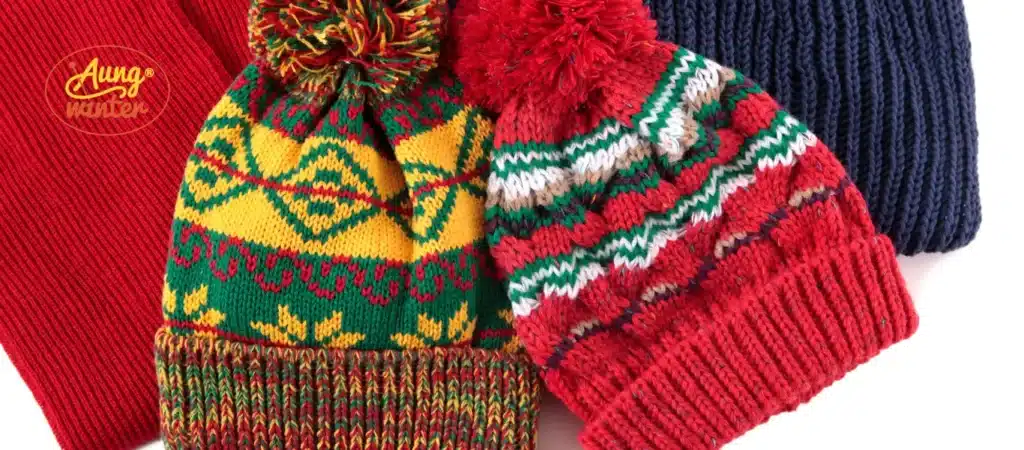
International fiber giants are accelerating the development of “inherently anti-pilling” fiber varieties. Toyobo’s “Vonnel” series of anti-pilling acrylic and Eastman’s cationic-dyeable anti-pilling polyester have already found applications in the premium winter hat market. An even more cutting-edge direction involves leveraging the crystallinity control of bio-based fibers such as polylactic acid (PLA) to achieve a “controlled breakage” mechanism – where pills formed after fuzzing actively detach after a few frictions rather than growing indefinitely.
Smart Manufacturing for Precise Process Control
Digital knitting equipment (such as Shima Seiki’s and Stoll’s whole-garment computerized flat knitting machines) allows for programmable control of yarn feed per loop. In the future, algorithmic optimization could enable differentiated loop lengths in different areas of the hat – high-friction zones (such as the brim and crown) adopting tighter loop structures, while other areas remain soft. This “zonal precision control” is already technically feasible, and its large-scale application will fundamentally change the design logic of anti-pilling strategies.
Industry Collaboration on Consumer Education
The misconceptions surrounding pilling and fuzzing need to be corrected through collective industry effort. Leading B2B manufacturers can work with brand clients to proactively educate consumers about the physical properties of knitted fabrics in marketing content, incorporating “moderate pilling is normal” into product descriptions. This is not only a necessity for reducing after-sales costs, but also a critical step in pushing the industry toward maturity.
From “Passively Responding to Defects” to “Proactively Managing Characteristics”
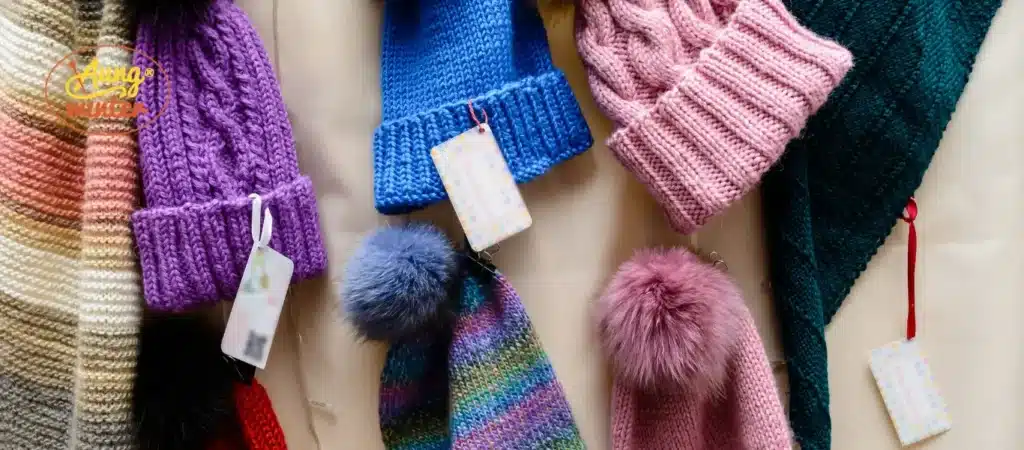
The pilling and fuzzing issues of knit winter hats are, in essence, the result of material science and the laws of physics at work. As a B2B manufacturer, our professional value does not lie in making unrealistic promises of “never pills,” but rather in understanding the mechanisms, mastering the variables, providing tiered solutions, and managing client expectations.
When a sourcing manager asks, “Do your hats pill?”, the professional answer is not “No, they don’t.” Instead, it is: “Our products are available in three anti-pilling grades based on the materials and processes used. Please tell me your target price point and your customers’ expectations, and I will recommend the most suitable option for you, backed by third-party test reports. At the same time, we will include scientific care and washing guidelines with every shipment, helping end users maximize the product’s appearance and longevity.”
This kind of professional communication – grounded in deep understanding – is where the true competitiveness of a B2B manufacturer lies.
3 Related Frequently Asked Questions – FAQs
FAQ 1: Is it possible for a client to request a winter hat that “never pills”?
Antwort: From a materials science perspective, achieving “absolutely no pilling” in a knitted winter hat is unrealistic – unless we compromise the essential properties of knitted fabrics. If we use extremely high twist, high density, resin coatings, or other aggressive methods to suppress pilling, the fabric will become stiff, non-breathable, and lose its elasticity – such a product would no longer offer the soft, comfortable experience that a “knit winter hat” should provide. The correct approach is to explain the physical properties of knitted fabrics to the client and provide proven solutions that achieve grades 3–4 (good to excellent anti-pilling performance). If the client still insists on a zero‑pilling requirement, we recommend advising them to consider woven fabrics or non‑textile materials (such as felt) – but these would no longer fall within the knit hat category. As a responsible B2B manufacturer, we should guide clients toward establishing scientific quality standards, rather than making promises we cannot keep just to secure an order.
Practical tip: Consider offering to send the client a sample of the proposed material along with a third‑party test report showing its actual pilling grade. This helps the client visualize the balance between performance and feel.
FAQ 2: Between wool winter hats and acrylic winter hats, which is more prone to pilling? How should I choose?
Antwort: This question cannot be answered simply by comparing “which is worse” – we need to distinguish the form and impact of pilling. Acrylic winter hats pill faster, with denser and more stubborn pills that are difficult to remove, because acrylic fibers have good toughness and resilience – once pills form, they become very firmly attached. Wool winter hats pill relatively more slowly, but the scale structure on the surface of wool fibers leads to felting shrinkage – not only pilling, but also overall thickening, stiffening, and size reduction of the fabric. From a user acceptance perspective, wool pills tend to be looser and easier to pick off by hand, while acrylic pills are compact and harder to deal with.
For custom winter hats, here is our recommendation:
- If the client has a limited budget but needs vibrant colors (acrylic offers excellent dyeing performance), we recommend using anti‑pilling modified acrylic.
- If the client pursues natural materials and a high‑end positioning, we recommend using fine‑count merino wool (with longer, finer fibers and flatter scales, which have a lower pilling tendency than regular wool) or a wool/acrylic blend (combining the strengths of both).
- Among blended options, 30% wool + 70% anti‑pilling acrylic is a highly cost‑effective combination with excellent overall performance.
FAQ 3: We previously purchased winter hats – the initial samples were fine, but the bulk production turned out to have severe pilling. What caused this?
Antwort: This is a common yet entirely avoidable issue in B2B procurement. The root cause lies in differences in one or more key parameters between the sample and the bulk production. Specifically, possible reasons include:
- Yarn lot changes – the supplier may have switched fiber sources without notice, for example from long‑staple cotton to regular cotton, or from anti‑pilling acrylic to regular acrylic.
- Knitting density drift – in mass production, machine speed may have been increased, or tension relaxed to boost output, resulting in longer loops and lower density.
- Missing finishing processes – the sample may have gone through shearing or enzyme treatment, while these steps were skipped in bulk production to cut costs.
As a professional manufacturer, our solution is to:
- Clearly specify key parameters in the contract (fiber type, combing requirements, loop length, pilling grade testing standards).
- Sample and test pilling grades at three stages: first article inspection, in‑process inspection, and outgoing inspection – to ensure consistency with the bulk production.
- We also recommend that clients request to review the density records from production and third‑party pilling test reports during inspection, rather than relying solely on visual appearance.
These measures minimize the risk of inconsistency between samples and bulk production.