
Winter winds have arrived and it is time to shield ourselves from their frosty chill with something warm, cozy, and stylish – and what better way than with a winter hat? But with so many materials on the market, it may feel daunting trying to select an appropriate hat – but never fear! In our comprehensive Winter Hat Guide we will reveal all of their secrets so that we can find you your ideal headgear which combines warmth, style, and comfort all into one snug package. So grab yourself a hot drink, cozy up by the fireside, and let us embark on this grand quest of finding our ideal winter hat companion!
Introduction to Winter Hats
Winter Hats provide essential insulation against cold winter temperatures. Here is an introduction to winter hats.
As temperatures begin to drop, having a good winter hat is key for keeping both head and ears warm. There are various materials used for these hats; not all materials provide equal warmth – some may keep you warmer than others depending on conditions or individual preferences. Here is a guide that can help you choose the ideal material for your winter hat!
Wool is an ideal material for winter hats as it provides warmth and insulation while moisture-wicking properties keep your head cool if you sweat a lot. When purchasing one of these wool hats, be sure to select thick and well-made styles – thin wool will not offer enough protection from the cold!
Fleece makes an excellent winter hat material. While not as warm as wool, fleece is still relatively insulating. Additionally, this lightweight and breathable fabric won’t heat you up when sweaty conditions arise – and just like wool, it provides moisture wicking to help keep your head cool and dry.
If you need an extra-warm hat for extreme temperatures, consider investing in a down hat. Down is an effective insulator and will keep your head warm even in freezing temperatures. Down hats tend to be lightweight and comfortable while being more expensive.

Benefits of Different Hat Materials
When selecting the ideal winter hat material is just as crucial. A well-constructed hat made from quality material will keep both head and ears warm; one made with poor materials may even leave them colder! Here is a guide that can help you choose an optimal material:
Wool: Wool is an effective natural fiber insulation material and breathable insulator, making it suitable for cold climates. However, its scratchiness may irritate sensitive skin – so for best results consider investing in a wool blend instead.
Acrylic: Acrylic fibers can serve as an affordable alternative to wool for crafting hats, as it does not shrink or stretch when wet and do not shrink back when dry. Acrylic hats may even be lined with another fabric for additional warmth.
Fleece: Fleece is made of polyester with a soft, brushed surface. This lightweight yet insulating material makes it the perfect material for cold climates; fleece hats may even be lined with another fabric to increase warmth.
Nylon: Nylon is an extremely strong synthetic fiber used for making hats due to its durability. Nylon does not absorb moisture like cotton does and quickly dries off once wet; additionally, nylon hats may also be lined with another fabric for extra warmth.
Wool Hats: There are many materials used to craft winter hats, but wool is often considered the superior choice. Wool hats provide warmth and insulation during colder weather while still remaining breathable and moisture-wicking so as to not become hot or sweaty when worn. Plus they come in various styles so you’re sure to find one to fit both your needs and personal aesthetics!
Fleece Hats: Fleece hats are an ideal way to keep your head warm on cold winter days or provide protection from the elements while out on the slopes, providing lightweight warmth without weight and moisture-wicking comfort – plus they come in various styles to complement your winter wardrobe! Fleece is an extremely lightweight synthetic fabric, yet warm enough for optimal use as a hat material. Plus it comes in different colors and patterns so you’re sure to find one to complement it perfectly.
Knit or Synthetic Hats: Selecting between knit and synthetic hats ultimately depends on personal choice; some individuals find knit hats more comfortable while others may prefer synthetics due to their tighter fit. Both varieties provide valuable protection from cold temperatures.
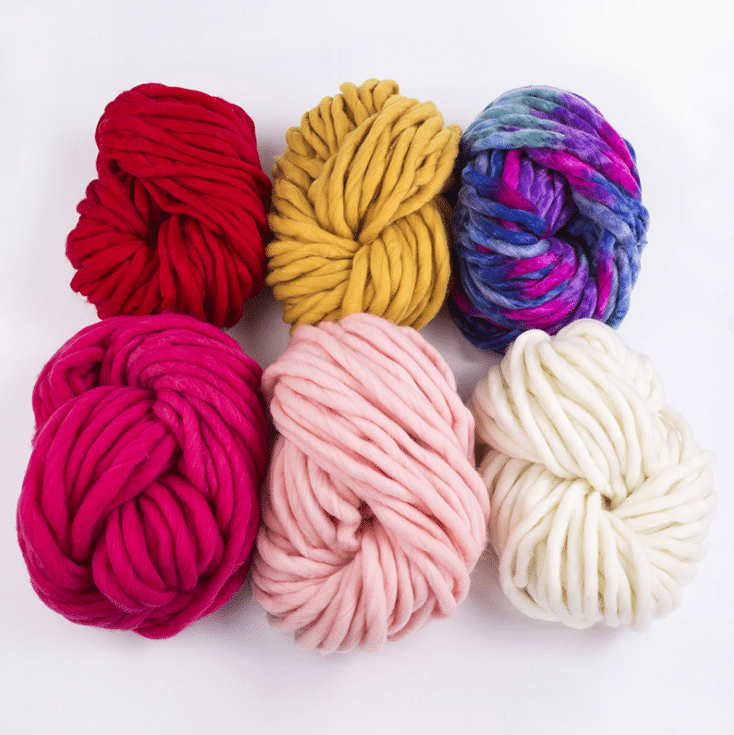
Knitted hats are typically constructed from wool or acrylic fibers. Wool provides excellent thermal insulation even in wet environments while acrylic fibers offer a synthetic imitation of its feel and appearance for easy maintenance and more cost-effective ownership.
Synthetic hats typically made of polyester or nylon offer lightweight comfort while being quick-drying – ideal for activewear use as well as providing insulation from cold temperatures.
Cotton Hats: When it comes to winter hats, cotton is one of the go-to materials. Cotton is an absorbent natural fiber, perfect for keeping out cold air while remaining breathable – making it an economical and budget-friendly choice.
Cotton hats come in all styles from beanies and toboggans to earflaps and fedoras. Thanks to cotton’s versatility, any one of these styles is sure to meet your personal style needs, whether casual everyday wear or something dressier for special events. Cotton can easily adapt itself to fit the bill!
Other Material Considerations for Hats
Not only should material matter when choosing your winter hat; but other key considerations can make or break your experience. Lining can make all the difference; an effective one will wick away sweat while keeping your head warm; however, poorly made ones may become itchy or uncomfortable quickly – always test any potential purchases with liners before purchasing for optimal comfort!
The second factor to keep in mind when purchasing a hat is the ear flaps. While they can help keep your ears warm, if they get in your way often they can quickly become an irritation. Make sure the ear flaps can be adjusted as necessary so they stay out of your way or come down when necessary.
Consider the brim of your hat before selecting it: wider brims may provide more protection from sunlight and wind; however, they can also become cumbersome over time. If you plan on spending a lot of time outside in colder climates, choose a wide-brimmed model instead.
How to Select the Appropriate Hat Material for You

When selecting a hat material, there are several considerations you must keep in mind. First is climate: If you live somewhere with harsh winters, then wool and cashmere materials such as cashmere are great at providing warmth; in milder environments, cotton or linen may suffice as lighter options.
Consider what activity you will be engaging in while wearing the hat. If you plan on being outdoors in cold conditions for long periods, wool and cashmere materials would likely provide enough warmth. Otherwise, any of these materials should work just fine as an everyday choice.
Consider your style when selecting a hat material. Do you prefer something more rugged like leather or denim, or would rather go for velvet or silk for something more refined? Whatever material you select, just be sure it suits your aesthetic.
Conclusion
With so many materials to choose from, it can be difficult to narrow down which winter hat material would best meet your needs. We hope our winter hat guide has made your decision simpler! No matter whether you prefer something lightweight and breathable or something more substantial; wool to fur all have their own set of advantages and drawbacks depending on the climate you live in – be sure to consider all options carefully when selecting your winter hat!