

Intro
Flax, hemp, ramie, jute – how to choose among the four major natural hemp fibers? This article will help you understand which one is your perfect summer hemp choice!
Basic Characteristics Comparison Table
| characteristic | flax | hemp | Ramie | jute |
| Fiber fineness | Coarser ( 15~ 30 μm ) | The finest (closest to cotton) | Slender ( 60~250 mm ) | Extremely short ( 1~4 mm ) strands require bundle spinning. |
| feel | Initially rough and hard, it becomes softer with each wash. | The softest (no itching) | Rough and hard, even stiffer when wet. | Rough, high in lignin |
| strength | Higher (even higher wet strength) | High (wet strength ↑ 20% ) | Highest ( 7-8 times that of cotton) | High (strength and toughness of processed fibers) |
| elasticity | Extremely low (wrinkles easily) | Extremely low (wrinkles easily) | Very low (permanent wrinkles) | Inelastic (easily deformed |
Functional Characteristics Differences
Moisture absorption and breathability
Ramie: ⭐⭐⭐⭐⭐ Its moisture absorption rate is 3 to 5 times that of cotton , and it has the strongest heat dissipation, earning it the nickname “walking air conditioner”.
Hemp: ⭐⭐⭐⭐ Its moisture absorption is approximately 3 times that of cotton , and its hollow structure has a prominent capillary effect.
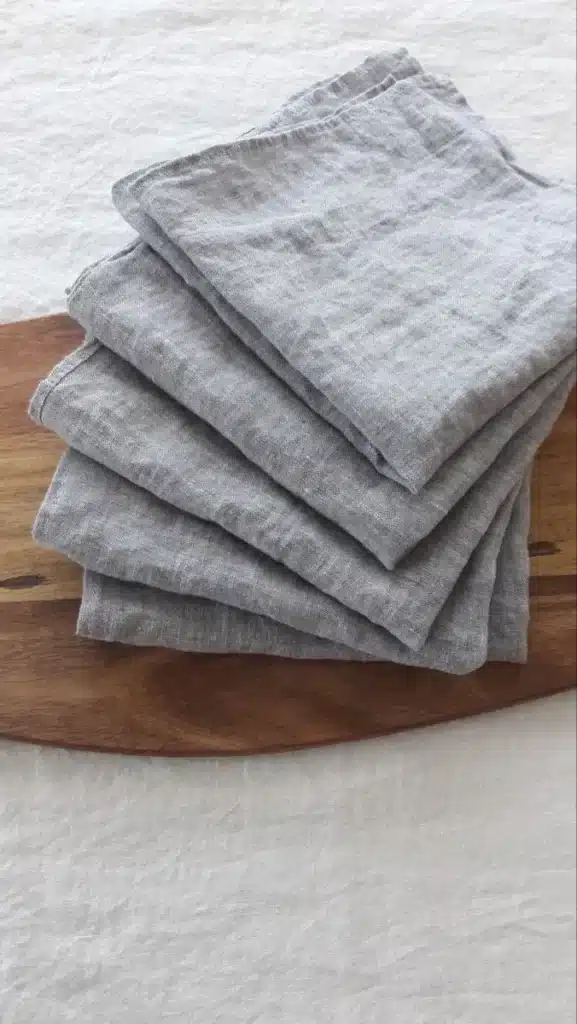
Linen: ⭐⭐⭐ It absorbs moisture quickly but wicks it away slowly, providing a moderate level of coolness in summer.
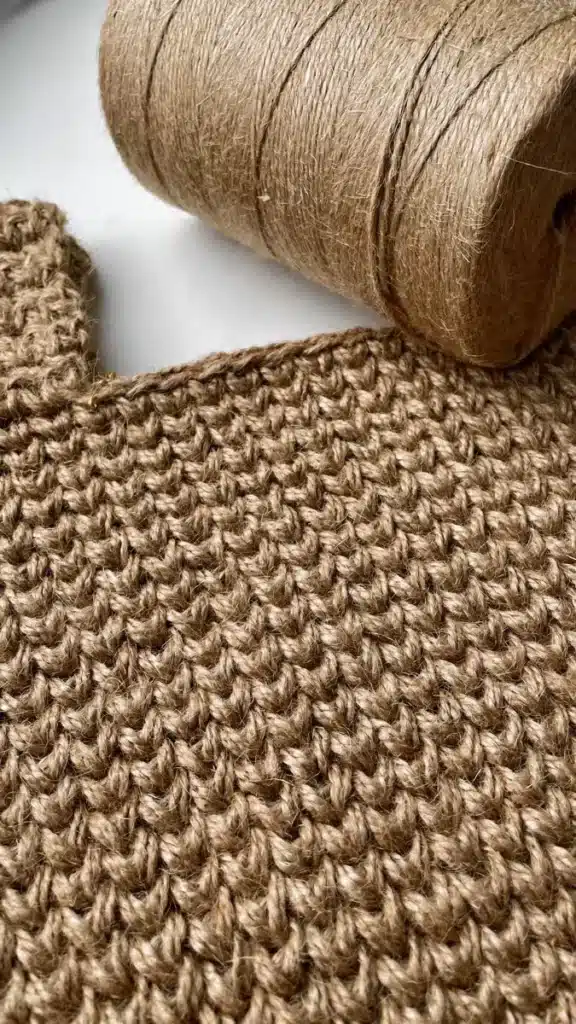
Jute: ⭐⭐⭐ Moisture regain 14% (better than cotton), but the coarse fibers affect the feel.
Antibacterial and bacteriostatic properties
Hemp: ⭐⭐⭐⭐⭐ Natural ephedrine substance, sterilization rate > 99% in 1 hour (strongest).
Ramie: ⭐⭐⭐⭐ Contains purines / tannins, with a 24- hour antibacterial rate of > 75% .
Flax: ⭐⭐⭐ Weak antibacterial properties (relying on the physical antibacterial properties of its porous structure).
Jute: ⭐⭐ Almost no natural antibacterial components, relies on moisture absorption to prevent mold.
Heat resistant and UV resistant
Hemp: ⭐⭐⭐⭐⭐ Non-flammable at 370 ℃, UV shielding rate > 95% (preferred for outdoor use).
Ramie: ⭐⭐⭐⭐ Corrosion-resistant, mildew-resistant, and UV-resistant (similar to hemp).
Flax: ⭐⭐⭐ Moderate heat resistance, moderate UV resistance.
Jute: ⭐⭐ Ignition point is only 150 ℃, easily charred at high temperatures (fire prevention is required during storage).

Environmental friendliness
Hemp / Jute: ⭐⭐⭐⭐⭐ Utilize the whole plant + zero pesticides (hemp has 1/3 the carbon sequestration of cotton , and jute is 100% biodegradable).
Ramie: ⭐⭐⭐⭐ No pesticides required, but requires a relatively high amount of water for cultivation.
Flax: ⭐⭐⭐ Requires a small amount of pesticides; the flax retting process may pollute water sources.
Key Differences in Chemical Composition
| Element | flax | hemp | Ramie | jute |
| Cellulose | 70%~80% | 68%~75% | 65%~75% | > 65% |
| Lignin | 2%~5% | 3%~7% | 0.8%~1.5% | > 11% (causing roughness) |
| hemicellulose | 18%~20% | 15%~18% | 14%~16% | > 22.5% |
| pectin | 1.8%~2.3% | 0.8%~1.2% | 3%~5% | 0.2%~0.5% |
| Lignin: Jute has high lignin content (> 11% ), which makes it coarse, hard, and yellowish, while ramie has the lowest lignin content (< 1.5% ) and is easier to degumme and bleach. | ||||
Application Scenario Positioning
| Bacon | high-end field | Mass market | Limitations |
| flax | Retro Home Decor | Summer clothes, tablecloth | Wrinkles easily and requires frequent ironing |
| hemp | Military protective clothing, medical dressings | Antibacterial socks, sun-protective clothing | Low production, high price |
| Ramie | High-end summer clothing, anti-radiation curtains | Bundling rope, eco-friendly packaging | Moist and stiff, pilling |
| jute | Geotextile | Burlap sacks and carpet base fabric (accounting for 70% ) | Flammable, poor feel |
The Ultimate Choice Guide
Choose ramie for a cool and refreshing feel: the king of moisture absorption and heat dissipation, suitable for hot and sweaty environments.
Choose hemp for antibacterial properties: the ultimate in natural antibacterial agents, the top choice for sensitive skin / medical use.
Choose linen for style: it represents the beauty of pleats and its relaxed texture is irreplaceable.
Choose jute for environmental protection: low cost, fully biodegradable, the king of cost-effectiveness in packaging / substrate.