Welcome To Contact Us
Response Within 24 hours Guaranteed | Low MOQ from 50 pcs
🔒 100% Privacy Protected. No Spam Guaranteed.

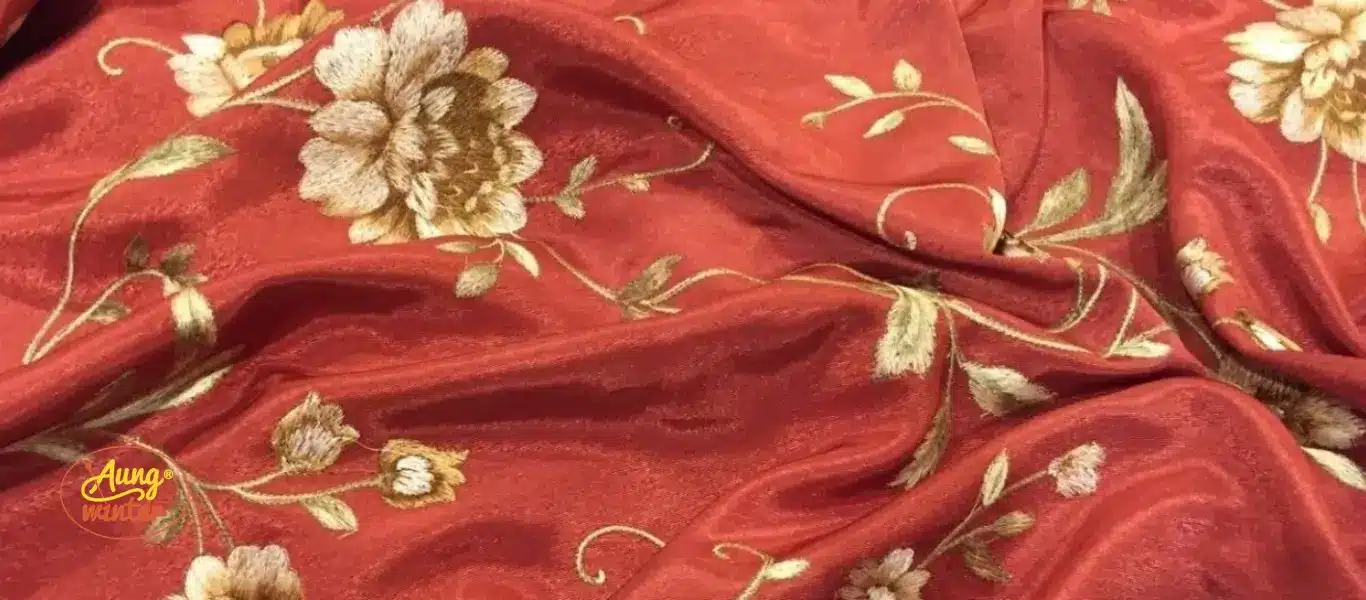
What’s embroidery? Within the long axis of Chinese civilization, embroidery is far more than a craft. It is an artistic language that uses a single needle and a single thread to engrave all things in heaven and earth – and the myriad expressions of human life – onto fabric. It is an intangible cultural heritage that has inherited thousands of years of Eastern wisdom. From the “five‑colored embroidery” of the ancient Yao and Shun era to the “national treasure at the needle’s tip” that now travels the world, embroidery has never been mere decoration – it carries a nation’s understanding of beauty, its love for life, and its ultimate pursuit of refinement.
Today, as a Chinese custom winter hat manufacturer – Aungwinter, re‑examining this ancient craft, what we see is not merely a decorative technique, but a bridge that connects tradition with modernity, and craftsmanship with fashion. A winter hat – covering only a small area – is enough to become a brand‑new canvas for the art of embroidery. When a silver needle draws colored threads, leaving delicate stitches along the brim, the side, or the crown of a hat, embroidery steps out of museum display cases and into everyday life – bringing not only warmth but also silently conveying the essence of Eastern aesthetics.
The Rich Long Historical Tapestry of Chinese Embroidery
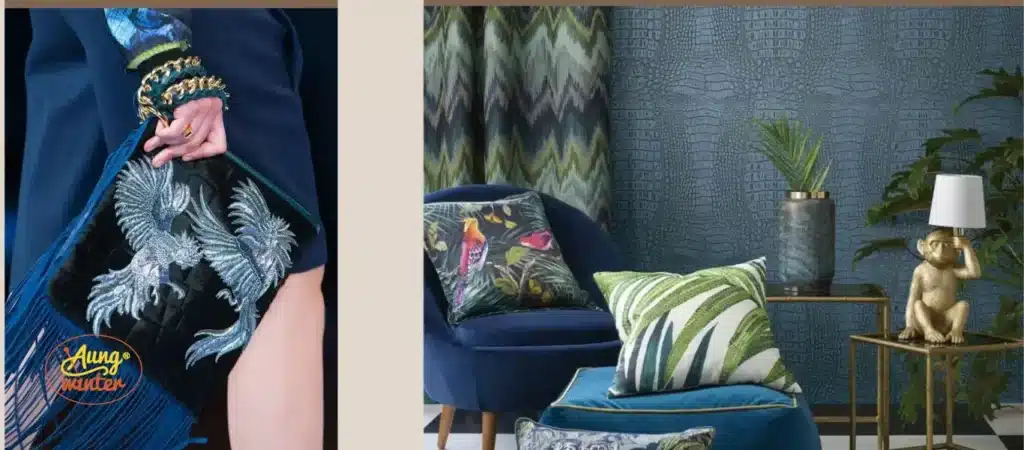
Chinese embroidery has a very long history with at least 2,000 to 3,000 years, and it can be dated back to the Xia Dynasty, Shang Dynasty, and Zhou Dynasty. Based on the ancient records, “Shun ordered Yu to embroider the five‑colored patterns,” which signified that initially, embroidery was closely tied to power, ritual, and aesthetics. In the Han Dynasty, with economic prosperity and the flourishing of the silk mill, handmade embroidery entered a professional stage, showing its amazing artistic look. In the Tang Dynasty, embroidery was widely applied, and the development and creation of embroidered stitching developed graded shades of color, giving the depicted subjects a magnificent, richly decorative effect.
In the Tang and Song periods, Chinese embroidery entered its first heyday. Numerous stitching techniques became mature and complete, which made embroidery reach its peak, allowing each regoin forming their unique styles. Especially during the Song Dynasty, embroidery reached unprecedented levels in both quality and artistic achievement. During the Ming and Qing Dynasties, embroidery techniques advanced further, and the Chinese Four Great Embroideries – Su embroidery, Xiang embroidery, Yue embroidery, and Shu embroidery – each developed its own unique charm, competing in brilliance, marking the pinnacle of Chinese embroidery as a comprehensive art form.
Since the Republican era, the development of embroidery stagnated and gradually declined. In the contemporary era, driven by both the nation’s renewed emphasis on traditional culture and the upgrading of consumer demand, the embroidery industry has experienced an unprecedented revival. According to data, as of 2025, the market size of China’s embroidered craft products industry had exceeded RMB 100 billion, with a compound annual growth rate of over 15%. Within this, the high-end embroidered craft products segment has seen a CAGR of more than 20%. Embroidery is no longer an “old craft” sealed in the pages of history – it is a modern industry growing at high speed.
Meanwhile, Chinese embroidery protection and heritage have obtained unprecedented attention. Until now, there are so many intangible cultural heritage (ICH) projects related to Chinese traditional embroidery: approximately 64 national-level intangible cultural heritage (ICH) projects, and 128 provincial-level intangible cultural heritage (ICH) projects, including the Four Great Embroideries but also a wide range of distinctive ethnic embroidery styles such as Chuxiong Yi embroidery and She embroidery. In 2025, Yao Jiangping, a National People’s Congress representative and an embroidery artist at the same time, uniting with various embroidery representatives, officially proposed that Chinese embroidery be nominated for inclusion in UNESCO’s Representative List of the Intangible Cultural Heritage of Humanity, pushing the collective application of embroidery techniques onto the national agenda. Besides that, Chuxiong Yi embroidery was selected as a UNESCO global demonstration example for “Intangible Cultural Heritage and Fashion Design,” serving as a shining calling card for Chinese ICH as it goes global.
The Artistic Characteristics of the Chinese Four Great Embroideries
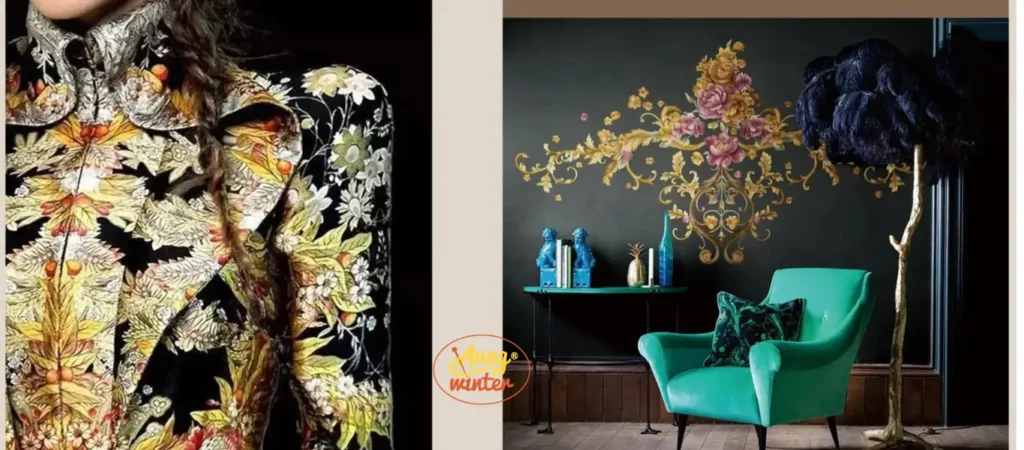
The reason why Chinese embroidery can become a global artistic treasure is the prosperity of various distinctive embroidery skills in different regions. Su embroidery, Xiang embroidery, Yue embroidery, and Shu embroidery are called the Chinese Four Great Embroideries, and each of them represents the rich, splendid heritage of embroidery in different regions.
As the foremost of the Chinese Four Great Embroideries, Su embroidery has a rich, long history of over 2,600 years. Su embroidery is well-known for its “fineness, delicacy, elegance, and cleanliness.”, featuring dense and fine stitches, subtle and elegant colors, and graceful compositions. In addition, the most famous double-sided embroidery creates different patterns on the front and back via the same fabric using the same needle and thread, such as embroidering cats with different eye colors on each side yet both appearing lifelike. This exquisite, heaven-defying craftsmanship has earned Su embroidery an exceptionally high reputation both domestically and internationally.
Xiang embroidery is located in Changsha, Hunan Province. Xiang embroidery has evolved from Hunan folk embroidery and later integrated parts of Su embroidery and Yue embroidery to form a distinctive feature that is characterized by bright colors, vivid looks, and rigorous composition. Xiang embroidery specializes in embroidering animal patterns such as lions, tigers, and birds. Its embroidered “tiger” pieces are renowned for their majestic power and extraordinarily vivid looks, demonstrating strong representational realism and expressiveness.
Yue embroidery originates from Guangdong province. Yue embroidery has gained its reputation for its full compositions, intricate yet well-balanced combinations, vibrant colors, and strong ornaments. Commonly, Yue embroidery often uses golden and silver yarns, and sequins, which can show a strong sense of local folk culture and splendid visual effects.
Shu embroidery, also called as “Chuan embroidery,” is derived from Chengdu, Sichuan Province. With a long history, Shu embroidery features a bright and lively property. It excels particularly in embroidering flowers, birds, fish, and insects, with smooth and natural lines full of the vitality of everyday life.
The “Four Great Embroideries” each have their own heritage of skills over hundreds or thousands of years, which is not only the heritage of craftsmanship but also the unique character and cultural heritage of different regions. When applying embroidery in the modern era, particularly for our custom winter hats, the different features of the “Four Great Embroideries” offer us a rich library. For example, Su embroidery is suitable for embroidering fine alphabets and logos; Xiang embroidery is suitable for embroidering realistic animal and person patterns; Luxurious and complete Yue embroidery is suitable for festival high-end custom patterns; The bright and natural Shu Embroidery is suitable for daily and casual winter, which can add a flexible vibe to them.
The Chances and Challenges that Modern Chinese Embroidery Faces
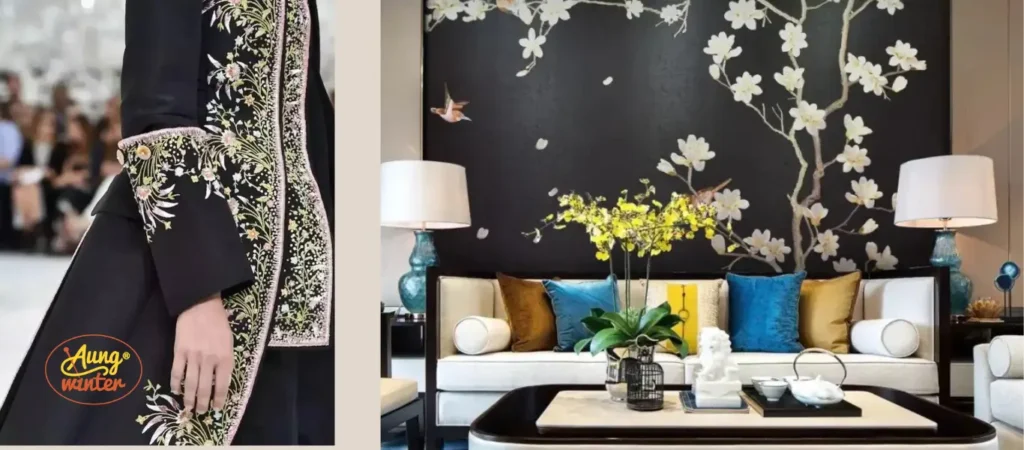
Under the splendid embroidery, Chinese embroidery has undergone an unforgettable revolution and pain, where chances and challenges exist at the same time, as tradition and innovation become ever more intertwined.
The “talent gap” is the common predicament that all traditional handicrafts face. According to Yao Jianping’s research on the transmission of embroidery practices, the overall development of intangible cultural heritage currently faces issues such as a lack of regulatory oversight, an imbalanced talent structure, and weak support systems. Some ICH projects have few successors and struggle to adapt to modern aesthetics and market demands. Many inheritors are aging and lack innovation awareness, while compound talents who possess both an understanding of traditional techniques and the ability to operate in a modern industrial context are particularly scarce. Such a structural shortage of talent has resulted in a widespread lack of innovation capacity of intangible cultural heritage (ICH), and high‑quality intangible cultural heritage (ICH) works that both carry traditional cultural heritage and meet contemporary aesthetic standards remain rare. At the 2026 National Two Sessions (China’s annual legislative and political advisory sessions), Yao Jianping specifically proposed adding a hand embroidery skills competition category to the National Vocational Skills Competition, in order to create a pathway connecting talent cultivation with industry development.
The widespread adoption of computer‑controlled embroidery technology has greatly improved production efficiency and lowered costs, while also placing significant pressure on traditional hand embroidery. Computer embroidery machines can replace most manual labor, efficiently handling large‑scale, standardized production tasks, which has to some extent squeezed the market space for traditional hand embroidery. However, from the side of technology development, the relationship between traditional embroidery and machine embroidery is not a simple replacement, but coexistence with their own advantages. Compared to traditional embroidery, machine embroidery is better in efficiency, accuracy, and consistency, which is suitable for bulk orders or mass production. On the other hand, traditional embroidery (hand-stitched embroidery) features flexible stitching, vibrant lines, and unique textures, which has the warmth and soul that machine embroidery cannot copy. The coexistence and complementarity are accurately a sign of the maturing of China’s contemporary embroidery industry.
Many consumers still perceive embroidery as “art collectibles in museums” or “handicrafts of the older generation,” finding it difficult to naturally connect embroidery with contemporary fashion products. How to make embroidery transcend the label of “intangible cultural heritage symbol” and truly enter the daily lives of young people is a question the entire industry is contemplating.
In recent years, the emergence of the China-chic trend has brought an unprecedented vibe to embroidery. Young consumers are showing a significantly stronger sense of identification with traditional culture, and embroidered garments are regarded as a fashion choice to express cultural confidence. Traditional embroideries like Su embroidery have started to cooperate with high-end fashion brands or luxurious international brands, which is also an important exposing way that traditional embroidered art work into modern lifestyles. It also makes the influence of Chinese embroidery go abroad.
Digital technology instills a new vibe into the ancient art of embroidery. More and more embroidery masters build their cloud-based repositories of embroidered skills via online stream lives, which makes embroidery heritage never limited by time and space. Moreover, designers can utilize digital tools to create conceptual patterns that combine traditional stitches and modern aesthetics. The application scenarios of embroidery have also expanded from traditional apparel to trendy brands, bags, shoes, hats, and beyond – embroidery has won the hearts of young consumers.
Nowadays, personalized consumption has become the main trend, and consumers wanna to get unique customized products. Embroidered garments carry emotion and culture. Scenario‑driven consumption is becoming more pronounced. For companies specializing in custom winter hat production, this represents a significant market opportunity.
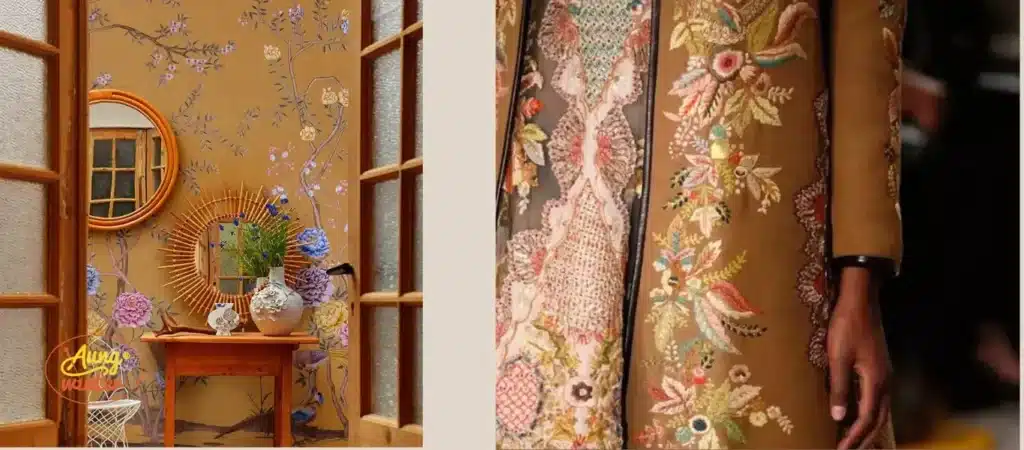
Reimagining the Value of Embroidery in Custom Winter Hats
As a Chinese manufacturer deeply rooted in the custom winter hat field, we have a special understanding and pursuit of embroidery craftsmanship. A winter hat covers only a small area, yet with the addition of embroidery, it becomes an ideal canvas for cultural expression and fashion language.
Embroidered letters on winter hats, these letters can include brand logos, slogans, mottos, family names, or special commemorative data. All of them are the most popular ways for custom winter hats. Embroidering alphabets is different from printed or hot-stamped alphabets. With a special, unique sense of three-dimensional effect and texture, embroidered letters can show subtle luster changes in different lights. When you lower your head while wearing a hat, the embroidered letters above the brim quietly reach the eyes of onlookers, becoming a low‑key yet heartfelt form of expression.
For enterprise clients, embroidered logos on winter hats are the most direct way to convey brand images. Embroidery craft can accurately translate original designs into finished products, turning complex designs into real embroidered logos on winter hats. In contrast to the flat effect of screen printing, embroidered logos are more durable, have higher texture, and can stay bright and fresh after being worn for a long time.
From traditional Chinese plum blossom, orchid, bamboo, and chrysanthemum patterns to the thematic inspiration of the 24 solar terms to the visual representation of China-chic style character design, the variety of embroidered totems offers unlimited possibilities for winter hat designs. A piece of winter hat with ink Koi patterns can tell a story quietly about Chinese luck and hope; a piece of pompom winter hat with Su double-sided embroidery is the most elegant respect for traditional embroidery.
Winter hat fabrics of different materials and thicknesses have varying requirements for embroidery techniques. Wool knit fabrics are soft and elastic, requiring stitch parameters that are dense enough yet moderately tensioned. Woolen melton fabrics are high‑density and crisp, making them suitable for fine, high‑density embroidery. Lightweight athletic caps, on the other hand, need to balance breathability with a smooth embroidered area. Based on the characteristics of each hat style, we precisely match the embroidery process to ensure the final result is both beautiful and durable.
The Mission of the Times for Custom Winter Hats
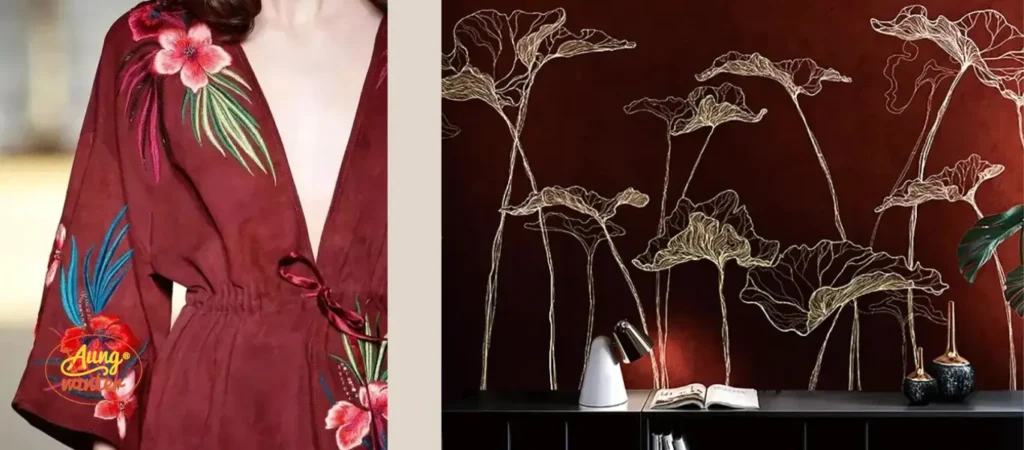
Stitch by stitch, what connects is not just the two sides of the fabric, but the meeting point of tradition and modernity.
As a participant in China’s custom winter hat industry, we are deeply aware of the dual mission we carry: on one hand, to use exquisite embroidery techniques to create custom products that exceed our clients’ expectations; on the other, to promote embroidery culture to a wider audience through modern production methods. This is not just a business – it is a cultural responsibility.
A custom winter hat is a “lightweight carrier” of embroidery craftsmanship. In comparison to embroidered Hanfu garments that take months to complete and are expensive, a custom winter hat offers a lower threshold and a lighter form factor, making it accessible to more people. The price of a custom winter hat varies from ¥10 to ¥100; such a hat can carry equally exquisite embroidery, allowing more people to get the beauty of embroidery for the first time. This is a vital way for embroidery culture to move from “museum art” to “everyday aesthetics.”
Nowadays, more and more manufacturers and enterprises are starting to adopt eco-friendly materials and sustainable production. Using plant-based dyes to replace traditional chemical dyes can decrease the risk of environmental pollution and add the added value to products. In the future, the embroidered garment industry will focus more on digitalization and sustainability via digital software and 3D printing, which can achieve personalized customization and offer smart embroidery solutions. The transmission of traditional embroidery techniques also cannot do without the participation of young people. At present, some embroidery styles, including Su embroidery, have been using new media communication, youth-oriented product development, and cross-sector collaborations to help young people feel the fashionability and vitality of embroidery, actively becoming inheritors and promoters themselves.
Looking ahead to the future development of the custom embroidered winter hat industry, we have formulated our own vision:
Chinese embroidery is an art form that spans millennia, connecting ancient and modern times. From the “five‑colored embroidery” of the Yao and Shun era, to the professionalization of the Qin and Han dynasties, to the peak achievement of the Tang and Song, and now to the integrated innovation of the digital age – the vitality of the needle and thread has never faded; it has simply continued to grow in new forms.
As Chinese custom winter hat manufacturers, we take the silver needle as our brush and colored threads as our ink, writing a new chapter of embroidery on the small canvas of a hat. Each custom winter hat is not merely a practical item for keeping warm – it is also a walking piece of embroidered art. It carries the warmth of a thousand years, entering the daily lives of contemporary people, allowing Eastern aesthetics to quietly blossom on winter streets.
Embroidery is not just a craft – it is an elegant telling of Chinese civilization within a confined space. On every winter hat adorned with exquisite embroidered patterns, this telling never ceases.
Answer: Machine embroidery and hand embroidery each have their own strengths in terms of materials, appearance, and application scenarios. Machine embroidery uses synthetic threads/yarns that are uniform in thickness, with standardized stitch lengths, which can offer high efficiency and low cost, making it suitable for large-batch customization and orders with tight production schedules. Hand embroidery uses natural silk threads, resulting in variable stitch lengths and more expressive line quality, giving the finished work a softer, more three-dimensional feel. However, it is time‑consuming and costly, making it suitable for high-end customization or projects with extreme artistic requirements. For the vast majority of commercial custom winter hats, we recommend high‑precision machine embroidery as the first choice. Moreover, machine embroidery delivers beautiful results while offering cost-effectiveness and efficiency. For small-batch, high‑end custom needs, hand embroidery remains an irreplaceable option.
Answer: Plenty of elements and content can be embroidered on custom winter hats, such as brand logos, personalized text, geometric patterns, China-chic illustrations, zodiac signs, motto, totems, and more. From technical parameters, the smallest font size for embroidery is typically around 4 mm in letter height (Chinese characters need to be slightly larger for legibility). Letters that are too small result in excessively dense stitches, which can affect the smoothness of the embroidery and the strength of the fabric. The maximum embroiderable area is limited by the hat’s structure and material characteristics – the front panel of an adult winter hat generally accommodates an area of about 8 cm*12 cm/3.15inches*inches. For special hat styles, more extensive decorative coverage can be achieved by splitting the design across multiple sections or arranging it in multiple positions. We recommend thorough communication with us during the design phase to ensure a perfect balance between embroidery quality and hat structure.
Answer: Embroidery is great for durability. The stitching of machine embroidery is even and tight, while hand embroidery uses specially twisted silk threads. Moreover, embroidery is great at abrasion resistance and tensile strength. In comparison to surface ornaments such as screen printing, embroidery won’t crack, fade, or peel off after long-term wearing, folding, or friction. With proper washing and care, embroidered logos can maintain their color and integrity for many years without threads loosening.
For daily washing and care, it’s recommended to wash an embroidered winter hat by hand or gentle machine washing in a laundry bag. Please avoid strong alkaline detergents and soaking in hot water. Do not scrub the embroidered area vigorously with a hard brush. When drying, lay the hat flat in the shade; avoid direct sunlight, which can cause thread fading. If minor pilling occurs on the embroidery, carefully trim the surface with small scissors – never pull the threads. Proper care will allow your embroidered winter hat to accompany you through many warm winters.